• Home
  • About Us
  • Contact Us
  • Privacy Policy
Home | Cate
7 delicious human foods and treats safe for cats

7 delicious human foods and treats safe for cats

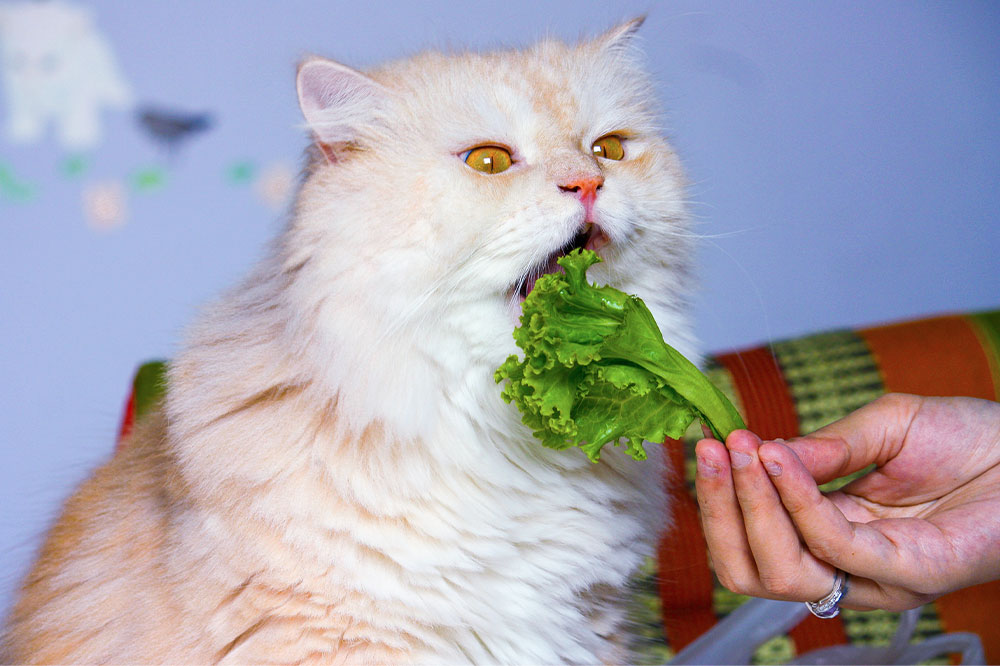
Have you ever wondered what foods are safe to give your pet if you suddenly run out of cat food? Many times, we would imagine it. But not all foods are easy to digest, and several human foods can also be toxic if not prepared and served properly. So here is a list of 7 safe foods that are both nutritious and delicious to tide over those hunger pangs safely. Salmon Cats love fish. And salmon is one of the most nutritious seafood options, rich in omega-3 fatty acids and proteins. However, ensure that you don’t feed them any raw bits of fish like sushi or sashimi. Cooked salmon is safe to give and is also one of the easier seafood options to digest. You can also buy cat treats that include cooked pieces of fish commercially sold by brands like Hills, IAMS, and Purina. Vegetables and fruits Cooked broccoli, carrots, and green beans are all excellent sources of antioxidants, beta-carotene, and soluble fibers. These essential vitamins and nutrients boost immunity and support better digestion. But ensure no additional seasoning or too many condiments are used in preparing these veggies. You can even give them a few fresh slices of cantaloupes.
Read More

Popular Articles

12 Useful Ways to Maintain Eye Health

Our eyes help us see what’s around us so that we can react accordingly. Since they perform such a crucial function, we must maintain them by following healthy practices. Sadly, many ignore eye care and increase their risk of ocular conditions. These conditions are usually treatable with timely intervention, but prevention is always better than cure. Below are a few simple yet practical ways to maintain eye health in the long run. 1. Eat foods rich in omega-3 fatty acids Studies have shown that omega-3 fatty acids can help improve the functioning of the meibomian gland. This oil gland protects against age-related macular degeneration and dry eye disease. Fatty fish, such as salmon, tuna, and mackerel, are excellent sources of omega-3 fatty acids and should be a part of one’s meals to protect the eyes. Nuts like walnuts and seeds like flax and chia seeds are also rich in this essential nutrient. 2. Maintain an active lifestyle Moderate-intensity exercises considerably reduce eye pressure, lowering one’s risk of glaucoma, cataracts, age-related macular degeneration, and other eye disorders. Hence, individuals should avoid a sedentary lifestyle and incorporate walking, jogging, skipping, cycling, swimming, or other exercises into daily workouts. 3. Wear shades while stepping out during the day In the long run, persistent and direct exposure to sunlight can trigger several eye diseases, including macular degeneration, corneal damage, and cataracts.

7 commons signs of lung congestion

Chest or lung congestion often occurs due to a common cold. Sometimes, an underlying medical condition like bronchitis, COPD, and so on can also cause persistent lung congestion. Additionally, excess fluids, such as mucus, can accumulate in the lungs, adding to the congestion. This also causes swelling of the lungs along with constriction of the airflow, which makes breathing difficult. Therefore, it is imperative to look at the signs and manage them through treatment options. Signs of congestion in lungs An affected person may experience: A hacking cough with clear, green, or dark yellow mucus A feeling of tightness in the chest A sore throat Constant body aches and frequent chills A persistent headache High fever that may last for a few days Shortness of breath or wheezing Most of the symptoms of chest congestion usually subside within a few days. However, the cough may persist for a couple of weeks as the bronchial tubes complete their healing process. If the cough lasts for more than 14 days, it is advisable to consult a doctor at the earliest. This sign might be an indicator of other serious health conditions, such as pneumonia. Tips for managing the signs of lung congestion In most cases, lung congestion can be effectively treated by rest and waiting for the virus to clear.

5 Tips to Maintain Eye Health

The eyes can accomplish amazing things. They process information using a complex mechanism that establishes a direct connection with the brain, allowing individuals to process the world around them visually. One would be surprised to know that many people don’t take eye health seriously! People who don’t think they have a vision problem seldom get routine exams with an ophthalmologist or optometrist, which can deteriorate their eye health. Here are some ways to maintain eye health: Ways to maintain eye health From the moment one wakes up until the moment they go to sleep, how they navigate their day and enjoy life is greatly influenced by their eyes. Following these suggestions will help one maintain the health of their eyes and safeguard their vision. 1. Defend the eyes from UV light’s harmful effects A condition known as photokeratitis, which resembles sunburn, can result from prolonged exposure to the sun’s UV rays. The eyes can become swollen, irritated, and red from this, which can be extremely painful. After 6 to 12 hours of exposure, photokeratitis symptoms, which are an inflammation of the cornea’s outer layer, usually appear. However, the harmful effects of ultraviolet (UV) radiation build up over time, and the risk of developing cataracts and other age-related conditions rises noticeably.

5 mistakes to avoid when battling the flu

When it comes to dealing with the seasonal or allergic flu, also known as influenza, understanding the things to avoid is as crucial as knowing the appropriate measures to take. The general characteristics of this condition include runny nose, fever, chills, and cough. Managing the flu can be a challenging and uncomfortable experience, and to promote easier and faster recovery, here are some things one should avoid doing when infected with the virus. Not drinking enough water Fever and sweating can cause dehydration, which can further delay the recovery and take a toll on one’s body. Therefore, it is advised to drink plenty of water, herbal teas, and electrolyte-rich fluids to help the body recover more effectively. It’s also important to avoid drinking coffee or tea as it can contribute to dehydration. Not resting enough Avoiding rest and trying to power through the illness can prolong its duration and increase the risk of complications. When dealing with the flu, it’s important to listen to the body and allow the time it needs to heal. Bed rest, along with sleep and relaxation, can help the immune system fight off the virus more efficiently. Experts suggest waiting for at least 24 hours before going out after the fever has subsided.

Popular Articles

5 foods that can help prevent lung disease

5 foods that can help prevent lung disease

Exposure to toxic fumes, pollution, and particulate matter can quickly deteriorate lung health. While one must take precautions to lower the exposure or avoid it altogether, several other ways, like making good nutrition choices, can help improve lung health and prevent common lung diseases. One must follow meal plans that consist of foods that can help prevent such conditions. Here are some of the options one can include in their meal plans. Beets The root and greens of the beetroot plant add vibrancy to meals. In addition, these contain essential compounds that can optimize the function of the lungs. Beet greens and beetroot contain high amounts of nitrates. Also, beets are rich in magnesium, vitamin C, potassium, and antioxidants. All of these help the blood vessels relax while lowering blood pressure and optimizing oxygen. This improves lung health. Apples While eating apples can improve overall health, this fruit is particularly good for the lungs. It lowers the risk of developing common lung diseases. The high percentage of antioxidants such as flavonoids and vitamin C in apples also helps in slowing down the decline of lung health in those with pre-existing lung problems. Walnuts These nuts are quite popular as healthy foods for the heart.
Read More
7 signs of liver damage

7 signs of liver damage

The liver is responsible for functions such as supporting metabolism and removing toxins from the body. If it sustains any damage, its functions are severely compromised. As a result, due to liver damage, one may notice several signs and symptoms that indicate that the liver is not functioning properly. Recognizing these signs is crucial for effectively managing and treating the liver condition. Here are a few warning signs of liver damage to look out for: 1. Jaundice Jaundice is the noticeable yellowish discoloration of a person’s skin and the whites of their eyes. It is often the most apparent sign of a liver ailment. Jaundice happens due to the liver’s inability to process a waste product called bilirubin. 2. Fluid retention Excessive fluid retention may also be indicative of liver problems. This fluid buildup occurs either in the abdominal cavity, causing bloating, or in the legs, causing them to swell up. 3. Loss of appetite Losing appetite is another common symptom noticed in liver ailments. Since the liver helps in the process of metabolism, any damage caused to it may hinder that function. As a result, one may experience this symptom. 4. Itchy skin Liver ailments may also cause an increase in the levels of bile salts in the body.
Read More
5 early warning signs of cervical cancer

5 early warning signs of cervical cancer

Cervical cancer is a common condition, with the Centers for Disease Control and Prevention suggesting that approximately 11,500 new cases of this type of cancer are detected every year in the country. Like other types of cancer, this condition is most manageable when diagnosed in the earliest stages of progression. So, to help receive timely treatment and diagnosis, one should keep an eye out for the following early warning signs of cervical cancer: 1. Pain in lower back or pelvis Pelvic pain and lower back pain in women are indicators of underlying issues in the reproductive organs. If one experiences pain in these areas, then the symptoms should be examined by a doctor to check for cervical cancer. Continuous pelvic pain near the appendix can develop when the cancer has advanced. 2. Loss of appetite This is a common cancer symptom. With cervical cancer, the early stages are often associated with unexplained muscle loss and a drastic change in appetite. In fact, even women with healthy appetites and adequate food intake can experience muscle loss as an early warning sign of cervical cancer. 3. Unusual discharge Vaginal discharge is a normal phenomenon in women, especially in different stages of menstrual cycle.
Read More

  • About Us
  • Contact Us
  • Privacy Policy
  • Advertiser Information
  • Terms of Service

© 2025 MindbodyVigor.net. All Rights Reserved.

e