5 foods that may trigger or worsen epilepsy

5 foods that may trigger or worsen epilepsy

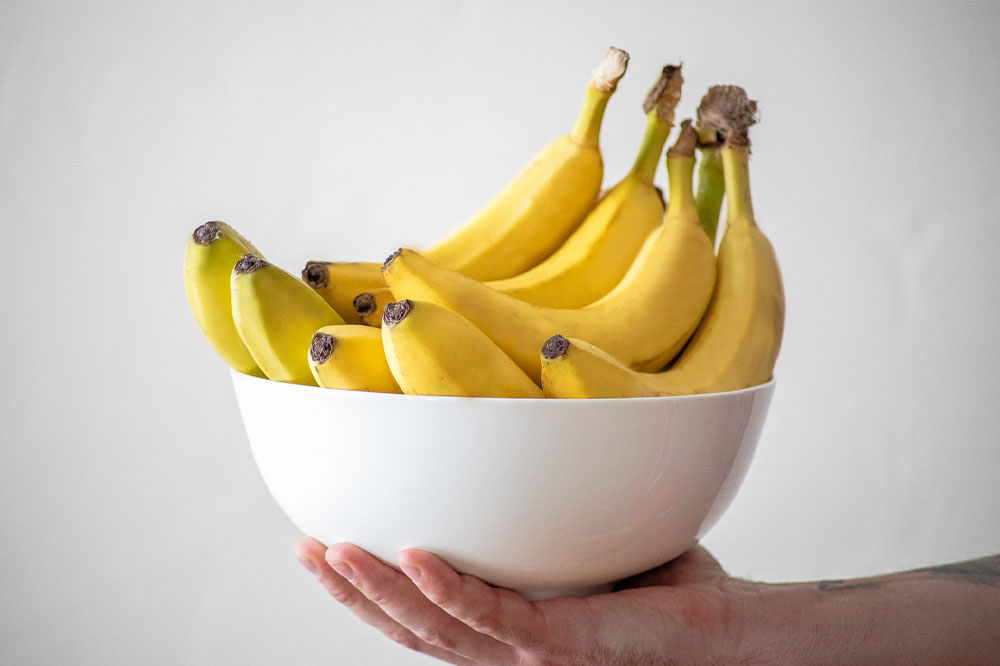
From movement and awareness to thinking, speech, and hearing, the CNS controls several integral bodily functions. Epilepsy is a CNS-related disorder caused by brain activity abnormalities, triggering abnormal behavior phases. Muscle stiffness, uncontrollable body jerks, and loss of consciousness are some of its common symptoms. A systematic treatment course, a healthy meal plan, and some lifestyle changes can help control epilepsy symptoms. Here are some foods patients with epilepsy should avoid or limit: Bananas Bananas contain high potassium levels, which is an essential nutrient for the body. However, excessive banana consumption will lead to excess potassium concentration in one’s body. This may lead to periodic seizures. Thus, patients with seizures must consume bananas in limited quantities. Sugary foods and beverages Increased sugar intake can spike in blood sugar levels, which may trigger seizures in some people. Consequently, it helps to avoid foods and beverages containing high sugar concentrations, including soft drinks and processed foods. Baked items Baked foods are typically prepared using refined flour and contain trans fats, which can increase one’s risk for cholesterol and heart diseases, including cardiac arrhythmia. Cardiac arrhythmia can lead to convulsive syncope, characterized by seizure-like symptoms. Thus, it is important to avoid or limit having baked foods like cakes, pastries, and bread, particularly if they are store-bought.
Read More
Best and worst foods for managing scoliosis

Best and worst foods for managing scoliosis

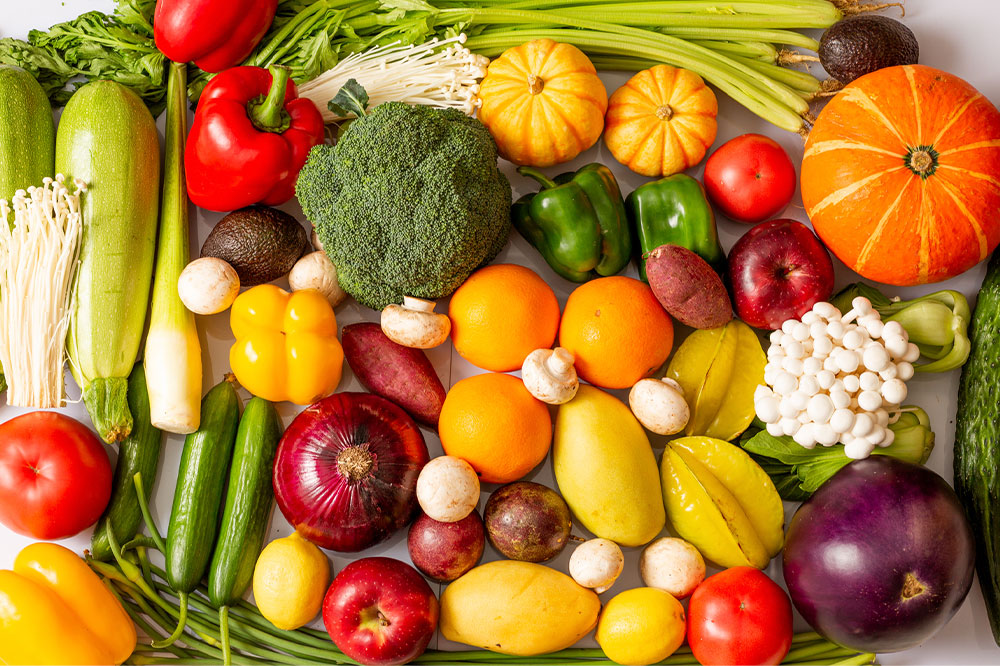
Scoliosis is an abnormal curvature of the spine in the coronal or frontal plane. It is generally diagnosed during adolescence and may lead to pain in the lower back, back stiffness, pain or numbness in the legs due to pinched nerves, or fatigue due to muscle strain. Treatment for this condition involves the use of braces, spinal fusion surgery, or spine and rib-based growing operations. Further, healthy food choices are an important part of recovery. Best foods Here are three foods to eat when undergoing scoliosis recovery to improve health and wellness: Fresh fruits and vegetables: Fresh fruits and vegetables are a rich source of nutrients as well as fiber, which are important for maintaining one’s overall health. Fresh produce like broccoli, apples, tomatoes, avocados, cauliflower, carrots, kale, Brussels sprouts, pears, peaches, celery, and green beans can be beneficial during recovery. Unprocessed meats: Organic meats, such as chicken, turkey, fish, and beef, are a great way of providing proteins to the body. However, one should steer clear of processed meats, as they may have unhealthy additives and preservatives. Foods with vitamin D and calcium: Calcium and vitamin D are crucial for maintaining bone health and must be added to meals in healthy doses.
Read More
Top 6 foods for healthy and glowing skin

Top 6 foods for healthy and glowing skin

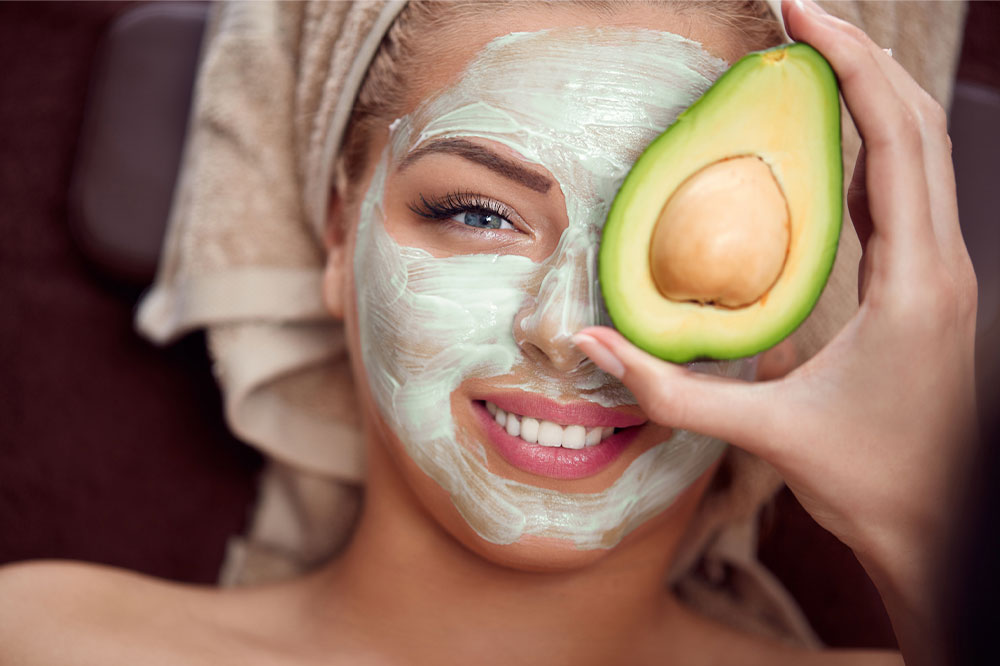
Nutrition is important for good health. Unhealthy food can cause damage to one’s metabolism and organs. Furthermore, various studies have suggested that food and its nutritional value significantly affect the health and aging of the skin. So, healthcare experts recommend adding healthy foods to one’s nutrition regime. Read further to know which foods help achieve glowing and blemish-free skin. Top 6 foods for glowing skin A meal plan that focuses on high-quality lean proteins, fruits, vegetables, fiber, and healthy oils is the best for supporting healthy skin. Avocados Fresh fruits such as avocados are packed with healthy fats. These fats greatly benefit the skin. Moreover, avocados are a good source of vitamin E, an important antioxidant that protects the skin from oxidative damage. Tomatoes Tomato-based foods like juice and sauce may help clear up acne. Moreover, tomatoes contain a phytochemical known as lycopene, which makes them red. Lycopene boosts collagen strength and fights against the damage caused by UV rays. Ginger This superfood is best known for its antioxidant and anti-inflammatory properties. Furthermore, multiple studies have shown that ginger has a soothing effect on the skin. So, one can also try ginger facials to achieve glowing skin. Walnuts Walnuts are a rich source of essential fatty acids, which are fats that aren’t produced by the body.
Read More
Top 4 food items that guarantee healthy hair

Top 4 food items that guarantee healthy hair

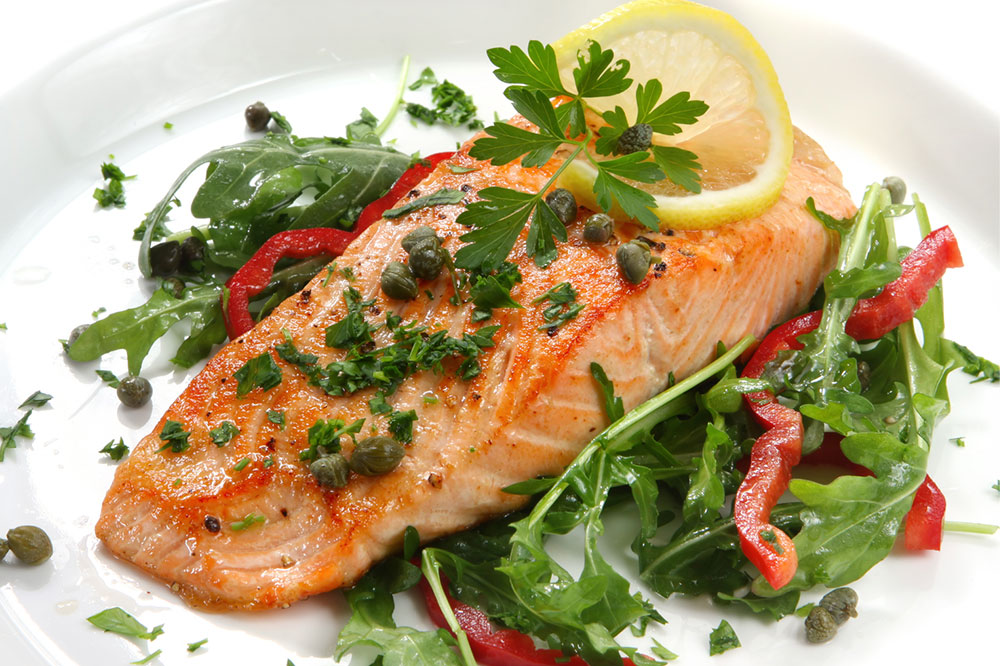
Nutrition plays a crucial role in a person’s general health. The food one eats regularly helps keep the skin and hair healthy. Further, foods also impact the hair’s volume, growth, and strength. However, the speed of growth and hair strength may also depend on various factors such as genetics, age, overall health, and environmental exposure. Although one cannot change these factors, one can adjust the daily meal plan to ensure proper nutrition. Foods for healthy hair Vitamins and minerals in food play a pivotal role in the growth cycles of hair follicles. Hence, healthcare professionals suggest a meal plan encompassing all the vital nutrients for healthy hair. Some of such healthy food choices are listed below. Salmon Fishes like salmon, mackerel, and sardines are rich in Omega-3 fatty acids. As the body cannot produce these fats, one can add these fish to their meal plan to ensure nutrition. Further, the fatty acids also protect the body from diseases and ensure the growth and shine of the hair. Eggs A good source of protein and biotin, eggs are essential for hair growth. As hair follicles are made up of protein, one must ensure regular protein intake to ensure minimum hair loss.
Read More
5 unexpected things that may increase one’s cancer risk

5 unexpected things that may increase one’s cancer risk

The incidences of cancer have been estimated at 442.4 per 1,00,000 men and women in the country. This health condition has emerged as a major cause of concern. However, interventions for cancer are becoming more advanced and successful. Following a prescribed treatment course and making some lifestyle changes can help in the symptom management of cancer. But here are some things you probably never knew could increase one’s risk for this disease. Chimneys Chimney sweeping results in exposure to large volumes of soot and dust. Ingestion of wood fumes, coal, and other burnt substances have been found to cause scrotal skin cancer or scrotal carcinoma, now commonly called as Pott’s cancer. Historically, children, particularly young boys, were ordered to clean chimneys due to their petite sizes. The prevalence of chimney sweep cancer among these children led to the discovery of this cancer type by doctor Percivall Pott in London in 1775. Hair straighteners According to recent studies the use of hair straighteners and relaxers may increase women’s susceptibility to uterine cancer. Moreover, it suggested that women of African descent may be at higher risk for this type of cancer than others. Scented candles Scented candles are often the ideal props to set up the perfect romantic dinner or date night.
Read More
4 foods to avoid while dealing with cold sores

4 foods to avoid while dealing with cold sores

Cold sores are a problematic symptom of the Herpes Simplex Virus that can derail your plans. They often appear when you are already under the weather, making them even more challenging to eliminate. Furthermore, they are not as quick to leave as they are to arrive. They linger around for longer and might feed off some healthy food you eat to boost your immunity. Here are some foods to avoid while dealing with cold sores. Chocolate Chocolate has often been touted for all the health benefits it brings. It is also loaded with antioxidants; the darker the chocolate, the higher its protein and fiber content will be. But chocolate is best avoided for people with cold sores because of its high arginine content. For people who prefer hot chocolate in the winter, switching to alternatives like cappuccino will help save some discomfort. Pickles Foods with high salt content, like pickles, are another no-no for people with cold sores. Not only does high sodium content further irritate the skin it also interferes with macrophage activation. Since macrophages are essential to bringing down the inflammatory markers in the body, eating foods like pickles can prove counter-productive to cold sores treatments. Oranges Stress is one of the most common reasons behind cold sores, as it impairs the immune system’s functioning.
Read More
6 foods that can worsen hearing problems

6 foods that can worsen hearing problems

Research indicates that one in eight people in the country, aged 12 years or older, lives with hearing loss in both ears. Thus, loss of hearing is a prominent issue that needs to be addressed. Recent technological advancements have resulted in several interventions to enhance hearing, including hearing aids, brainstem implants, and other assistive devices. In addition, maintaining a healthy lifestyle and avoiding certain types of food can contribute to healing from hearing loss. Red meat Red meat is high in saturated and trans fats, which can cause plaque to generate in the arteries and impede blood circulation. Sometimes, poor blood circulation can contribute to hearing impairments, such as tinnitus. Baked foods Baked foods contain large amounts of refined sugar and carbohydrates, especially store-bought products like cakes, pastries, and puddings. High glucose levels in the blood can damage the small blood vessels and nerves present in the inner ear. Monosodium glutamate Monosodium glutamate (MSG) is an excitatory neurotransmitter that can cause neurological damage, tinnitus, and hearing loss. Thus, it is advisable for individuals at risk of or grappling with hearing loss to avoid or limit foods from restaurants or ready-to-eat foods, which usually contain MSG. Caffeine Excessive intake of caffeinated beverages such as tea and coffee can increase one’s blood pressure, triggering a ringing sensation in the ears and conditions like tinnitus.
Read More
4 common skincare myths debunked

4 common skincare myths debunked

Skincare can be a complex routine for some people, especially those who are not very well-versed with their skin types and are constantly experimenting with products. If you are dealing with some skin issues like acne or pimples, speak to a dermatologist who can give proper advice. Also, do your research before going to the doctor and be aware of certain myths that can complicate your skincare journey. Here are a few common skincare myths: Avoid facial oils for oily skin This is a common myth among people, especially those who have oily skin. If you are someone with this skin type, know that oil massages can greatly benefit your skin, as they help in keeping the barrier function healthy and balanced. All you have to do is speak to your dermatologist and understand what type of oil is best for your skin and the issues you are dealing with. Skincare that burns is skincare that is effective In a lot of skincare products, there are some active ingredients present. These active ingredients can be responsible for the tingly sensation you feel after application. This means that there is a chemical reaction that is helping to take care of your skin issues.
Read More
5 harmful effects of smartphones

5 harmful effects of smartphones

Using a smartphone has multiple benefits, including enjoying content, playing games, and carrying out financial transactions. The device is also useful for work-based tasks, such as answering calls and sending texts and emails in seconds. But on the flip side, using a smart device may have several adverse effects on our health, such as affecting our sleep and eye health. Here are five such complications that may occur due to excessive smartphone use. Circadian rhythm instability Circadian rhythms are physical, mental, and behavioral changes that follow a 24-hour cycle. The natural processes respond to light and dark. For example, a normal circadian rhythm involves staying awake during the day and sleeping at night. However, when we use a smartphone at night, our eyes are exposed to blue light emitted from the screen. Such light could affect the internal body clock and disrupt an individual’s circadian rhythm. Difficulty sleeping Studies have shown that exposure to blue light could suppress melatonin and affect one’s sleep-wake cycle. And this could result in insomnia, irritability, and tiredness during the day. Even viewing something entertaining on a smartphone before going to bed could trigger a response that prevents one from falling asleep. The use of the device may also delay REM sleep.
Read More
Tips to maintain eye health and posture while using devices

Tips to maintain eye health and posture while using devices

Being aware of your posture while reading is an important aspect. You should be aware of certain things while reading a book or working on your laptop as continuously doing such tasks can affect your eye health. Working on gadgets constantly can have some side effects like text neck, stiff shoulder muscles, and headaches. To prevent any vision issues, here are some things to keep in mind while using devices. Sitting straight up Bending your neck or your back while reading a book, scrolling through your phone, or working on a laptop is a common problem. Especially if you have a desk job that requires you to be working on a computer most part of the day. This can mean slouching down and risking bad posture. You should take appropriate breaks while working to do some mild shoulder and back exercises that can keep the muscles relaxed and stress free. Remind yourself frequently to sit upright and fix your posture. While reading a book, it is recommended that you hold it at a 60-degree angle and 15 inches away from the eyes. Limiting screen time This is important while working on your laptop. Most smartphones today have a feature that shows your average screen time.
Read More