
6 early warning signs of a migraine episode

6 early warning signs of a migraine episode

Migraine is a chronic condition characterized by recurrent episodes of intense, throbbing head pain that can disrupt daily life. It is more than a normal headache and can last from a couple of hours to a few days. The condition typically progresses through four stages, each with distinct symptoms. Prodrome, the first stage, is when the body gives several warning signals that a migraine episode is about to occur. These warning signs are important, yet they are often mistaken for other issues. Knowing about them can prevent a migraine from progressing, reducing pain and discomfort. Sudden changes in mood and energy In the days or hours before a migraine episode, in the prodrome stage, some may feel angry or easily annoyed, whereas others may feel sad or restless. At times, one may feel overly happy or euphoric. Such unexplained feelings are common. Along with these mood changes, one may have shifts in energy levels. For instance, despite adequate sleep, one may experience persistent fatigue that does not resolve. These changes are caused by fluctuations in brain chemistry and function during the prodrome stage. Visual changes Migraine aura refers to sensory or visual disturbances that may arise before a migraine episode.
Read More
Key things to consider before buying a glucometer

Key things to consider before buying a glucometer

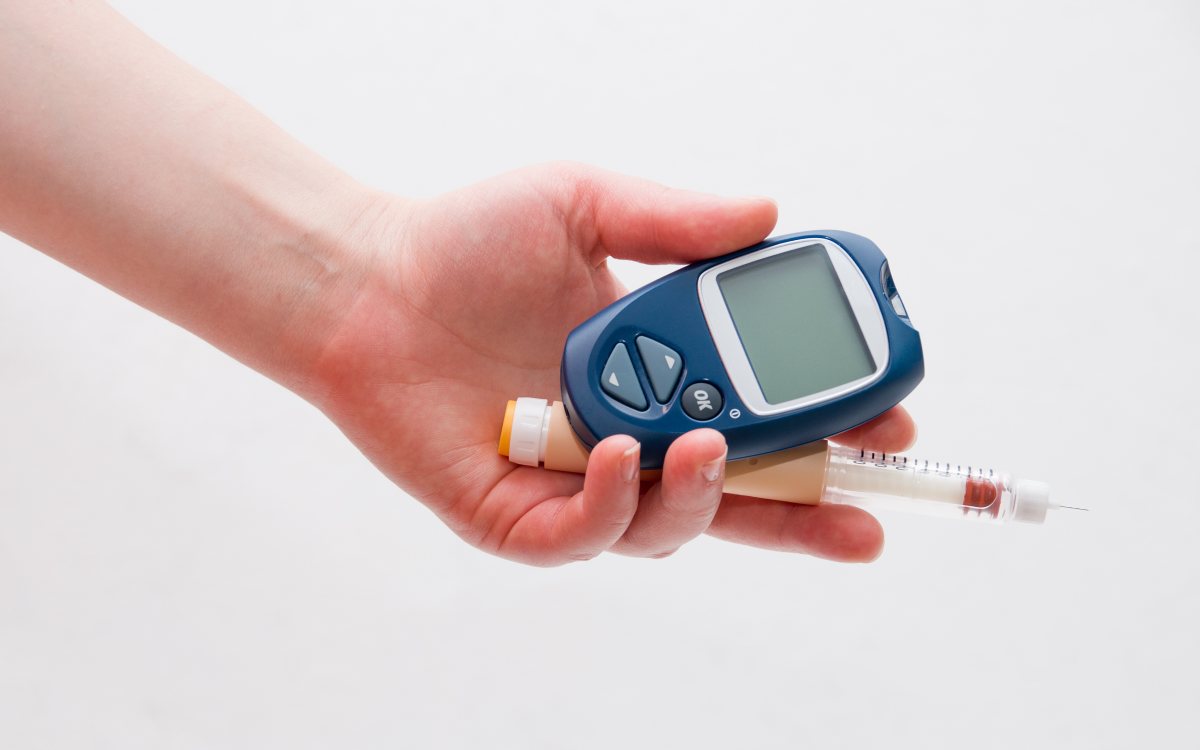
Monitoring blood sugar levels plays an important role in managing one’s overall health. It helps one track how one’s body processes food and responds to physical activity and treatments. Glucometers are portable devices that help in this regard. Recent technological advancements have enabled these devices to cater to diverse lifestyles, preferences, and healthcare needs. To choose the right glucose monitor, one should consider factors such as type, portability, display, storage, and price. Types of blood glucose monitors The type of glucometer one chooses should depend on their preferences, requirements, and doctor’s recommendations. Depending on the intended use, there are two main types of glucometer devices. Standard blood glucose meter A traditional glucometer is a handheld device used to monitor blood glucose levels at set intervals. It comes with disposable test strips coated or treated with chemicals that react to glucose in the blood. Glucometers sometimes come with a lancet or lancing device; if not, these can be purchased separately. Most devices have a battery and some memory to store results. Some glucometers can share results with a computer or a phone, allowing one to download data. Continuous glucose monitor  A continuous glucose monitor (CGM) is a small, wearable device typically worn on the back of the upper arm or abdomen.
Read More
7 creatine-rich foods to improve muscle health

7 creatine-rich foods to improve muscle health

Keeping muscles strong is one of the best ways for individuals to stay active and independent as they age. Eating the right food plays a major role in that process. Creatine-rich foods, in particular, can help older adults fight age-related muscle loss, also known as sarcopenia. These foods also help support muscle energy, recovery, and function. There are various food options, and a nutritionist can help individuals determine which ones to include in their meal plan. Pork This red meat is a strong source of creatine, offering about 0.4 grams per 3 ounces. Grilling and pan-searing are the best ways to enjoy its creatine benefits. These processes use high heat, helping cook the meat quickly. This way, creatine is exposed to higher temperatures only for a short period of time, thus reducing the breakdown of the nutrient. However, avoid overcooking or charring the meat, as this can increase creatine loss. Tuna Fresh or canned tuna is an easy source of creatine and protein. The food supports muscle function in older adults and helps them maintain mobility. About four ounces of tuna includes about 0.4 grams of creatine. Those who are not fans of fresh fish can meal-prep a batch of tuna salad using canned tuna.
Read More
Fatigue – Causes and management

Fatigue – Causes and management

Fatigue, or extreme tiredness, can result from various factors, including certain health conditions and lifestyle choices. Some of its common symptoms include breathlessness, dehydration, excessive sweating, and, in extreme cases, lightheadedness. Fatigue can be addressed by making lifestyle changes, such as working out regularly and maintaining a consistent sleep schedule, as well as using certain home remedies. If these solutions do not work, one should consult a healthcare professional to learn about the next course of action. Causes of fatigue explained Sleep deprivation When one sleeps, their brain releases growth hormones that promote cell repair. This release of hormones happens especially during uninterrupted sleep. When sleep is disturbed or insufficient, the brain does not release growth hormones, which affects the cell repair process. As a result, the body has difficulty fully recovering and recharging from the previous day’s exertion. This is why inadequate or interrupted sleep leaves one feeling tired upon waking. Stress In the long term, stress can lead to inflammation, fatigue, and stress-related exhaustion disorder (ED). Episodes of anger, work pressure, familial issues, infighting, poor performance on school or college tests, and outstanding debts are among the causes of stress. Certain foods Unhealthy food habits can also lead to fatigue.
Read More
Vitiligo – Causes, symptoms, and management

Vitiligo – Causes, symptoms, and management

Many people first notice the signs of vitiligo during a routine day. This skin condition first appears as white spots where the skin has lost its color. Vitiligo is a chronic condition caused by the loss of melanocytes, the cells that produce skin pigment. Vitiligo can develop at any age, so it’s important to treat it at its initial stage. Learning the common causes, recognizing symptoms, and exploring treatment options can help individuals manage vitiligo better. Type of vitiligo The most common form of vitiligo is the nonsegmental type, where symmetric white patches appear on both sides of the body. This means there can be matching spots on both hands or knees. The other type is segmental vitiligo, where patches appear on one side of the body or in a specific area, such as the left arm. This type usually spreads only to limited areas and tends to stabilize after one or two years. Causes of vitiligo  There are several factors that contribute to the onset of vitiligo. Many of these causes often occur together, and patches of skin lose pigmentation. Autoimmune response The body’s immune system sometimes mistakenly targets melanocytes. This occurrence leads to loss of color in patches over various areas of the body.
Read More
Home remedies and lifestyle changes for insomnia

Home remedies and lifestyle changes for insomnia

Chronic insomnia is a common condition in which one finds it difficult to fall and stay asleep. It can occur because of several reasons, such as poor lifestyle habits, stress, and a side effect of certain treatments. In the long run, the condition can affect one’s quality of life and increase the risk of other health issues. Fortunately, managing insomnia is possible by using natural and home remedies under the supervision of a healthcare professional. Try mindfulness meditation Sleeplessness often stems from a frazzled, restless mind. To calm the mind and control one’s thoughts, mindfulness meditation can be a useful habit. It involves breathing slowly and steadily while sitting in a quiet, peaceful place. While inhaling and exhaling, one should try to become mindful of their thoughts, feelings, and emotions as they rise and pass, just like observing waves on the shore. Mindfulness meditation reduces tension, improves concentration, and boosts immunity. Over time, as the mind becomes peaceful, sleep comes more easily. It’s one of those home remedies for insomnia that work most of the time if done correctly. Repeat mantras or affirmations Chanting a mantra or positive affirmation while meditating can help one gain greater control over one’s mind.
Read More
Cancer – Types, symptoms, and treatment

Cancer – Types, symptoms, and treatment

Cancer is never a comfortable topic of discussion. However, it is an important one. The condition affects millions of people across the world, and that also includes loved ones of those who are diagnosed with it. Knowing how cancer develops and understanding its different types and the signs can help bring clarity to a subject that often feels too much to accept. With the right information, individuals can understand how cancer behaves and the medical approaches used to manage it. Types of cancer There are over a hundred known forms of cancer, but all of those can be broadly categorized into five types, based on where they begin in the body and how they grow. Carcinoma A cancer that develops in the epithelial cells that form the protective barriers or linings of organs is called carcinoma. This type of cancer usually starts when these surface cells begin to grow abnormally and divide rapidly. Lymphoma This is a type of cancer that starts in the lymphatic system, which plays an important role in fighting infections and cleaning body fluids. Leukemia Commonly referred to as blood cancer, leukemia begins in the bone marrow, where blood cells are produced. In this condition, the marrow creates large numbers of abnormal blood cells, which crowd out healthy red blood cells, white blood cells, and platelets.
Read More