Common causes of swelling in the legs

Common causes of swelling in the legs

Swelling in the legs is a common concern, but the cause can vary. In some cases, the swelling develops due to excess fluid buildup in the legs, a condition known as edema. In another instance, it can be linked to some form of inflammation caused by an injury, infection, or an underlying health condition. Knowing about the specific reason behind the swelling can help address the root cause and determine the need for expert attention. Kidney issues The main function of the kidneys is to filter and remove excess fluid and waste from the blood. But when the organs are unable to carry out this function due to an underlying condition or disease, their ability to complete the elimination process gets disrupted. As a result, fluid begins to accumulate in the body, eventually leading to fluid retention, particularly in the legs. Congestive heart failure When the heart becomes too weak to pump blood efficiently, circulation slows down. As a result, the blood can flow back up in the veins, leading to fluid accumulation in the surrounding tissues, including the legs. In the case of congestive heart failure, individuals may notice other symptoms such as shortness of breath, difficulty breathing while lying down, and persistent fatigue.
Read More

6 early signs of heart failure

6 early signs of heart failure

Heart attack and heart failure are not the same thing. A heart attack occurs when blood flow to the heart is blocked. It is a sudden, acute event that causes severe chest pain that radiates down to the left arm. Heart failure, on the other hand, is a chronic, progressive condition where the heart stops pumping blood effectively. The early symptoms of heart failure are different from those of a heart attack, and recognizing them is crucial. Shortness of breath The heart and lungs work in tandem, helping each other out. First, the heart’s right atrium and ventricle receive impure blood and pass it to the lungs. The lungs then oxygenate and return it to the left atrium and ventricle. Now, the left side of the heart pumps out oxygen-rich blood to the body. Heart failure affects this system. It prevents blood from being pushed into the lungs for oxygenation and then returned to the body smoothly. As a result, oxygen supply decreases. To make up for this short supply, the affected individual breathes as deeply as they can, but they still do not feel like they are getting enough oxygen. Lingering cough A nagging, dry cough is another symptom to recognize heart failure.
Read More
Key details about macronutrients – Their benefits and importance of balanced nutrition

Key details about macronutrients – Their benefits and importance of balanced nutrition

The human body requires a balance of nutrients to maintain overall health. There are two main categories of nutrients—micronutrients and macronutrients. Micronutrients, like vitamins and minerals, are required in small quantities for growth development and prevention of chronic conditions. On the other hand, macronutrients, like carbohydrates, proteins, and fats, help fuel the brain, provide energy for daily tasks, repair worn-out and damaged muscles, support hormone production, and strengthen the nervous system. Carbohydrates – The body’s main energy source These macronutrients provide energy for the brain and muscles to function. Each gram of carbohydrates provides about four calories. Once digested, carbohydrates are broken down into glucose, which serves as an energy source for daily physical tasks. There are two main types of carbohydrates—complex and simple. Complex carbohydrates are found in whole grains, legumes, fruits, and vegetables. These carbs are rich in fiber and provide steady energy and a feeling of fullness after meals. On the other hand, simple carbohydrates, found in soda and white bread, digest quickly and can lead to abrupt energy spikes and drops.  Complex carbohydrates are beneficial for maintaining energy levels and regulating blood sugar, while it is advisable to limit the intake of simple carbohydrates. Importance of fiber Fiber is a non-digestible type of carbohydrate.
Read More
Irritable bowel syndrome – Symptoms and management options

Irritable bowel syndrome – Symptoms and management options

Irritable bowel syndrome, commonly called IBS, disrupts the gut function. More than 3 million people in the country currently deal with this condition. While it doesn’t harm the gut itself, its symptoms can be quite irksome and persistent, affecting daily life. These symptoms and their intensity may vary across individuals, so understanding them can help individuals determine which management techniques to use to address the condition. Irritable bowel syndrome symptoms Bloating and gas One of the most common symptoms is bloating, wherein the abdomen feels heavy and swollen. Bloating is often accompanied by gas and flatulence, particularly after meals, which can further worsen the discomfort. Abdominal pain or cramps Besides bloating, abdominal pain is a common IBS symptom. In most cases, the pain occurs after meals and may resolve after a restroom break. Irregular bowel movements Bowel habits can vary between people. However, because of IBS, one can experience some unusual changes in their bowel movements. Having to go much more often or far less than usual, for instance, are common signs of IBS. Apart from that, one may experience more frequent, sudden urges to use the bathroom. Diarrhea or constipation IBS is usually categorized based on the type of bowel pattern individuals experience.
Read More
Gut health – Impact, importance, and management methods

Gut health – Impact, importance, and management methods

The gastrointestinal tract, or gut, serves as the body’s fuel processor, breaking down food, absorbing nutrients, and eliminating waste through organs such as the stomach, intestines, and colon. The gut hosts a vast community of microbes that break down complex fibers from food, enhance immune function, and protect the body against harmful bacteria and health conditions. A healthy gut regulates immunity, mood, energy, and metabolism, making its care essential for overall physical and mental well-being. Understanding how and why to care for the gut empowers individuals to manage persistent digestive issues, address stress, control energy levels, and determine when professional guidance is needed. The role of the gut bacteria in overall well‑being The human gut functions as a shared ecosystem in which healthy bacteria thrive on available nutrients and, in turn, help the host fight harmful microbes. The gut microbiome influences various bodily functions, including digestion, in different ways. When an individual eats food, the gut breaks it down and absorbs nutrients that support the body’s functions. This process facilitates the production of essential nutrients and enzymes that nourish cells in the gut lining and support gut health. The gut bacteria also metabolize bile in the intestines, after which the liver transports bile to the small intestine to facilitate fat digestion.
Read More
Urinary tract infections – Causes, signs, and management

Urinary tract infections – Causes, signs, and management

A urinary tract infection (UTI) develops when bacteria enter the urinary system organs—kidneys, ureters, bladder, and urethra—and grow there. Frequent urination and pain or a burning sensation when passing urine are common symptoms. While the condition isn’t generally serious, one should consult a healthcare professional for timely treatment. That’s because untreated UTIs can spread and cause complications. Since these infections are very common, knowing their symptoms, causes, and preventive measures is recommended. What is the urinary tract The urinary tract is made up of the kidneys, ureters, bladder, and urethra. Together, these organs help the body flush out waste and extra fluid. The kidneys filter impurities from the blood and make urine. The ureters are small tubes that carry the urine from each kidney down to the bladder. The bladder works like a storage tank that holds urine until it is time to pass it. The urethra is the final tube through which the urine leaves the body. What happens during a UTI During a UTI, bacteria enter the urinary system and begin multiplying, causing an infection. While different types of bacteria can cause an infection, E. coli is among the most common. E. coli usually lives harmlessly in the intestines.
Read More
Key factors to know about eosinophilic esophagitis

Key factors to know about eosinophilic esophagitis

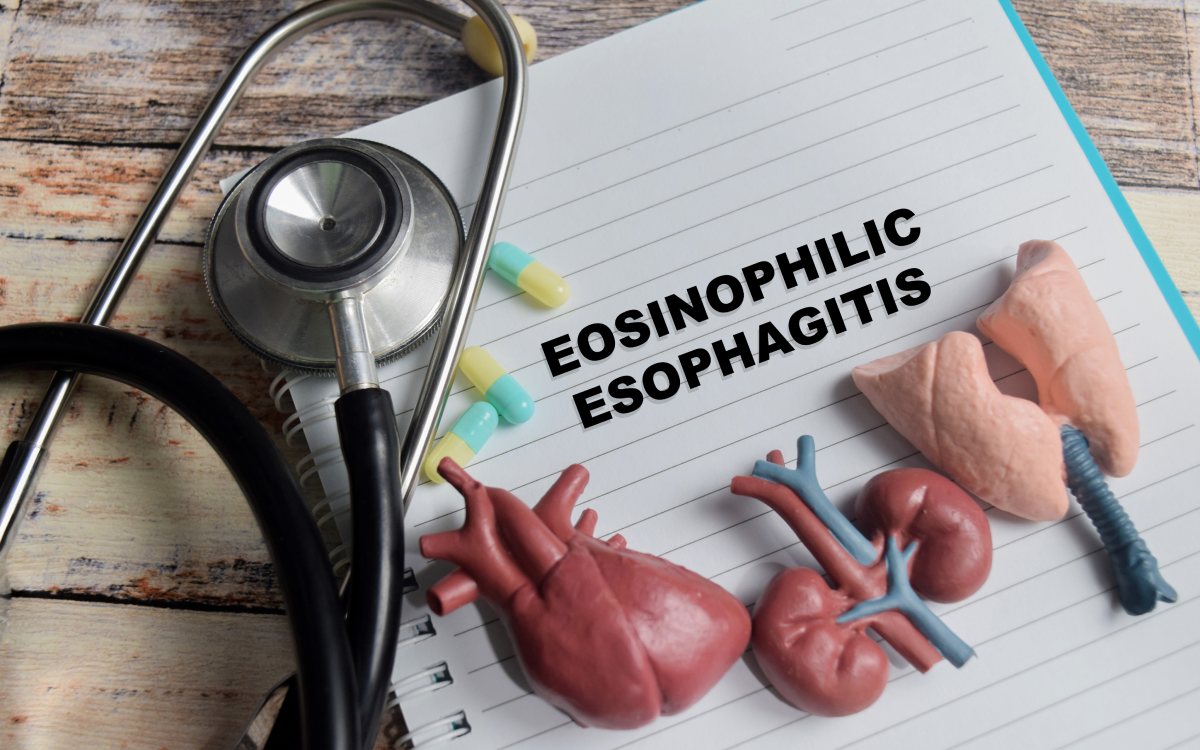
Eosinophilic esophagitis, or EoE, is an inflammatory condition in which a type of immune cell, eosinophils, accumulates in the esophagus, causing irritation and inflammation. Food allergies are considered a common cause of this disorder. Learning about the various common symptoms, causes, and everyday management strategies is essential for improving quality of life. With the right information about meal plans and practical lifestyle changes, individuals can alleviate the discomfort associated with this chronic condition. How EoE affects daily life Inflammation due to EoE can make the esophagus stiff and narrow. As a result, food may feel like it’s getting stuck to the sides of the esophagus or moving slowly when swallowing. Mealtime can become stressful, especially when eating tougher or drier foods like chicken, steak, or crusty bread. Many adapt by taking smaller bites, chewing slowly, and sipping water to help food move down more easily. Common symptoms to watch for Symptoms in adults Adults with eosinophilic esophagitis usually experience these common telltale signs. Difficulty in swallowing, especially when eating dry or hard foods  ​Food gets stuck in the esophagus, requiring pauses during meals or sips of water to help it pass down ​Consistent chest discomfort that is not related to any heart issues ​Occasional regurgitation of food, especially right after eating Symptoms in children and teens In younger individuals, EoE has slightly different symptoms.  Difficulty moving from baby foods or softer foods to solids  ​Frequent vomiting or gagging during meals ​Regular stomach pain and complaints of discomfort ​Being picky when eating or avoiding certain food textures without any clear explanation ​Not meeting regular growth milestones What causes EoE Role of the immune system Eosinophilic esophagitis is mostly caused by an overactive immune response in the esophagus.
Read More
Polycythemia vera – Causes and risk factors

Polycythemia vera – Causes and risk factors

Red blood cells, a type of cell found in the blood, carry oxygen all throughout the body. When these cells grow in number beyond what is required, the blood thickens, restricting oxygen flow. This is what happens in polycythemia vera. The condition affects the bone marrow, making it produce excess red blood cells. Knowing why polycythemia vera develops and the common risk factors can help one seek the right treatment and recover. Polycythemia vera – What causes it? The main cause of polycythemia vera lies deep inside the body, particularly in the JAK2 gene found in the bone marrow’s stem cells. The stem cells within the bone marrow produce red blood cells. Under normal circumstances, the JAK2 gene sends signals to the bone marrow only when the body needs more red blood cells. However, in polycythemia vera, a mutation occurs that changes how this gene functions. As a result, the gene continuously signals for red blood cell production, even when the body does not need more.  A change in the JAK2 gene is observed in most cases of polycythemia vera. The mutated gene activates a protein that increases cell growth in the bone marrow. As a result, red blood cells rapidly increase in number, and the blood starts to thicken.
Read More
Polycythemia vera – Symptoms and risk factors

Polycythemia vera – Symptoms and risk factors

Polycythemia vera, or PV, is a form of blood cancer that starts in the bone marrow, where new blood cells form and grow. PV causes the bone marrow to generate too many new blood cells, increasing the risk of cardiovascular conditions. It develops gradually over many years and typically affects older men, who are usually diagnosed in their 60s or later. Understanding the causes and warning signs of PV can help people take the necessary steps to manage the condition. Causes The bone marrow is responsible for producing three types of blood cells: red blood cells, platelets, and white blood cells. The red cells carry oxygen, the white cells fight infections, and the platelets are essential for blood clotting, which helps stop bleeding. Most people with PV have too many red blood cells, but they might also have excess white blood cells and platelets. The condition results from a genetic change that develops during a person’s life, not one they are born with. However, the risk of developing it may be higher in certain families due to inherited factors.  Symptoms During the early stages, PV can be a silent disease, since people generally do not experience symptoms. A high red blood cell count is often found during a routine checkup.
Read More
Ways to find affordable dental implants

Ways to find affordable dental implants

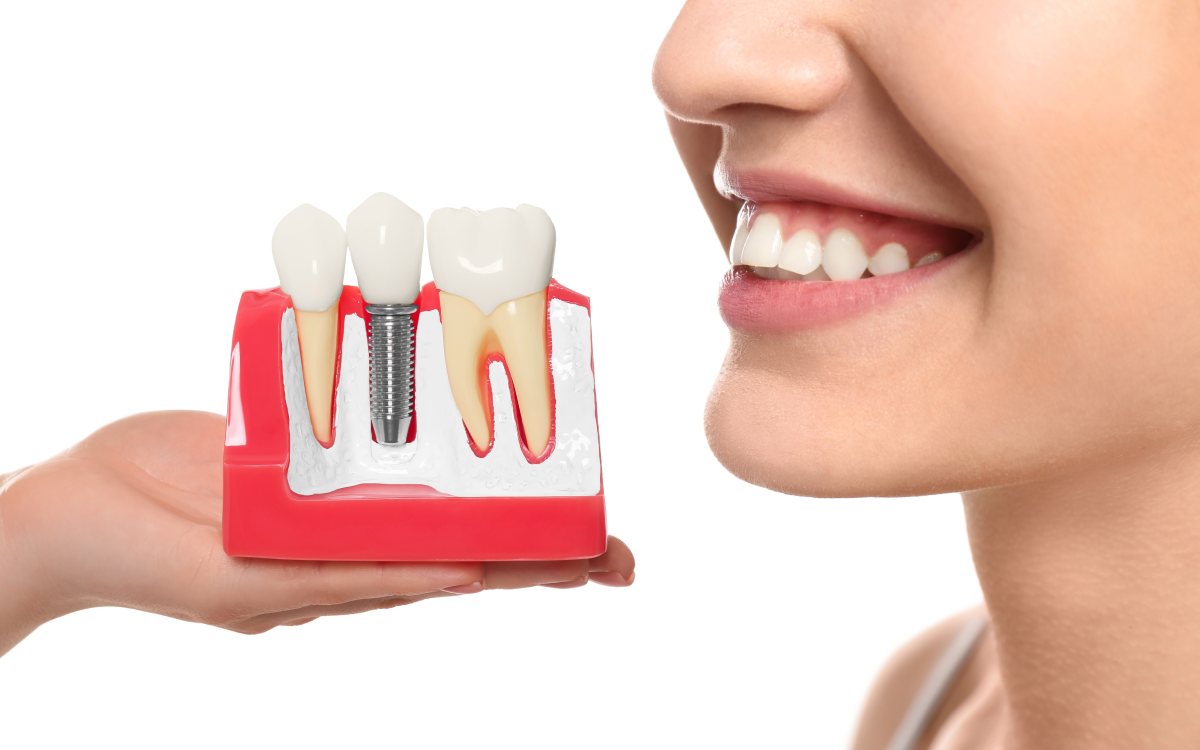
Dental implants are often out of reach for many people due to the high cost of the procedure. Besides, a lack of dental insurance and limited income can prevent people from seeking necessary professional help for several serious dental issues. Fortunately, several organizations and medical programs help low-income individuals get access to prompt dental care. In some cases, these programs offer procedures like implants at no cost, while in others, they provide affordable options. Ways to find free or low-cost dental implants Enquire with dentists Many dental clinics and offices provide dental membership savings plans. For specific services such as cleanings and exams, these plans charge clients a fixed annual fee. At the same time, other services may be offered at reduced prices. To give back to the community, several dentists also offer free or low-cost care on certain days. Check the health insurance marketplace The Health Insurance Marketplace is a service run by the federal government that helps people, families, and small businesses. Established by the Affordable Care Act, this insurance marketplace lets individuals and families shop for dental benefit plans. Participating insurers offer dental coverage for children under 18. Many states also have similar plans for adults. However, these plans vary in cost and coverage, and open enrollment periods determine when people can sign up.
Read More