
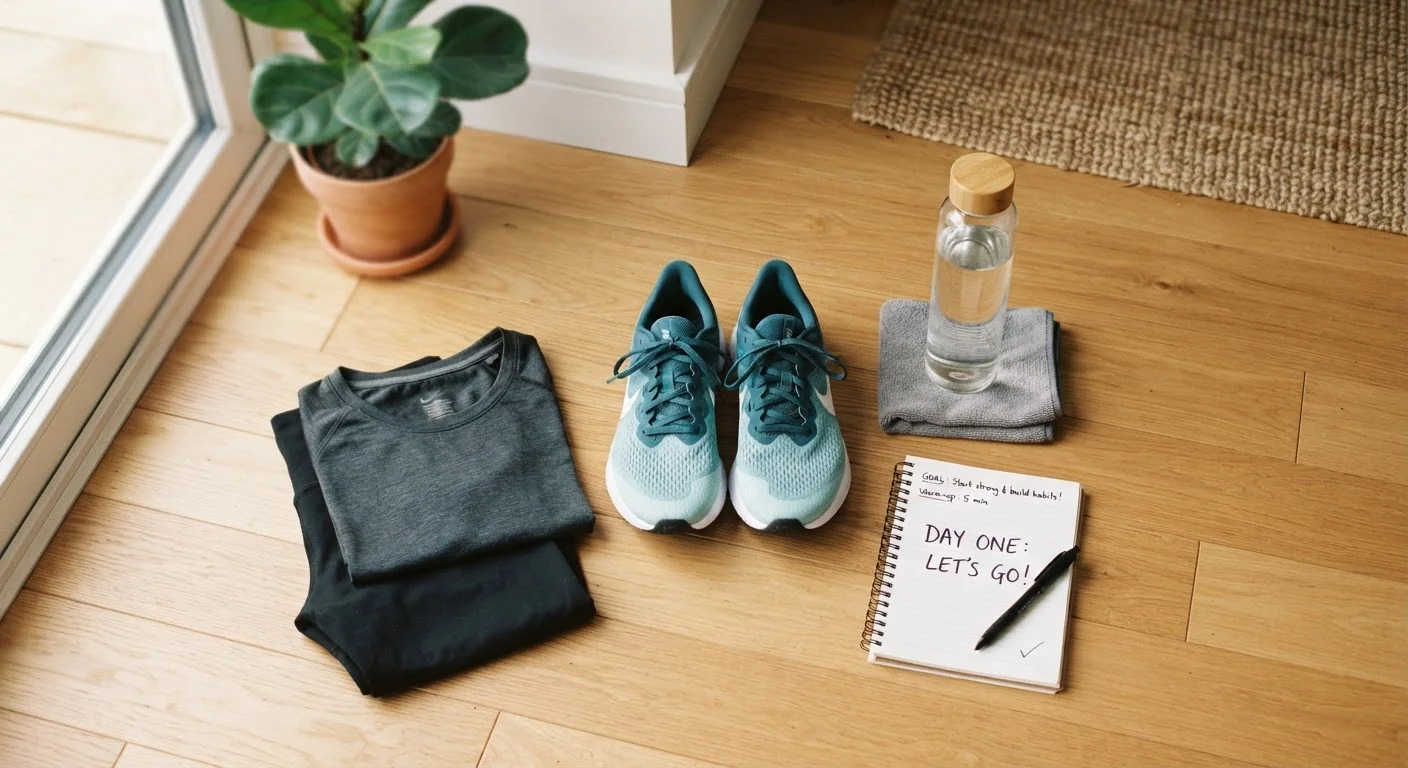
Why a Pre-Exercise Checklist Matters
Starting a new exercise routine is one of the most positive steps you can take for your long-term health. But jumping in without preparation is one of the most common reasons beginners stall early or get hurt. This checklist is designed to help you think through what you need - physically, logistically, and mentally - before your first session.
Whether you're considering walking, strength training, swimming, or a group fitness class, the fundamentals of safe preparation are the same. Work through each group below and check off what you've addressed. You can also explore what your body actually needs first before adding any formal workout to your week.
Medical Clearance Is Not Optional for Everyone
If you have a diagnosed health condition - including cardiovascular disease, diabetes, hypertension, or a musculoskeletal disorder - speak with your doctor before beginning any new exercise program. This checklist is a general preparation guide, not a substitute for professional medical assessment. Your provider can help identify safe starting points and any activities you should initially avoid.
How to Use This Checklist
Go through each group in order. Items marked must are non-negotiable foundations. Items marked should are strongly recommended and will meaningfully improve your experience. Items marked nice to have are helpful but won't make or break your start.
This checklist is general health information - not medical advice. If you have any doubts about your readiness, speak with a qualified healthcare professional before beginning. Once you've worked through this list, your next step is a structured plan: see your first four-week starter plan to ease in gradually.
Health & Medical Clearance
Goal Setting & Expectations
Practical Preparation
Safety & Recovery Readiness
Choosing the Right Type of Exercise
One of the most overlooked parts of preparation is simply picking the right kind of movement for your life right now. The four broad categories beginners tend to choose from are:
- Cardiovascular exercise - activities like walking, cycling, or swimming that elevate your heart rate and build endurance.
- Strength training - using resistance (bodyweight, bands, or weights) to build muscle and support bone density.
- Flexibility and mobility work - stretching and movement practices like yoga that improve your range of motion.
- Low-impact activity - gentle options such as water aerobics or tai chi, often suited to those with joint sensitivity.
The best choice isn't the most intense one - it's the one you'll actually show up for. If scheduling or environment is a factor, explore the full range of options on the Beginner Workouts hub.
Supportive Athletic Footwear
Activity-specific shoes reduce injury risk by providing appropriate cushioning and stability for your chosen exercise type.
Water Bottle
Staying hydrated before, during, and after exercise supports performance and recovery.
PAR-Q Self-Screening Form
A standardised questionnaire that helps identify health factors requiring medical clearance before you start exercising.
Workout Journal or Notes App
Tracking sessions, energy levels, and perceived effort helps you monitor progress and adjust your plan over time.
Resistance Bands
A versatile, low-cost tool for beginners starting strength work at home without access to weights or gym equipment.
What Comes After Your First Session
Preparation doesn't end when the workout begins. How you recover between sessions matters just as much as the effort you put in. Plan for rest days, gentle movement, hydration, and sleep from the start - not as an afterthought. The Workout Recovery hub covers practical strategies for supporting your body as it adapts.
It's also worth familiarising yourself with the habits that commonly set beginners back. Read about early exercise mistakes that can slow your progress so you know what to watch for from the start.
Stop Exercising If You Experience These Symptoms
Chest pain or tightness, dizziness, shortness of breath disproportionate to your effort, or sudden sharp joint pain are all signals to stop immediately and seek medical attention. Do not push through symptoms that feel abnormal - these are not signs of weakness, and continuing can make things worse. When in doubt, err on the side of caution and consult a healthcare provider before resuming activity.
This article is for informational purposes only and is not a substitute for professional medical advice. Always consult a qualified healthcare provider before beginning a new exercise program, particularly if you have any existing health conditions or concerns.