
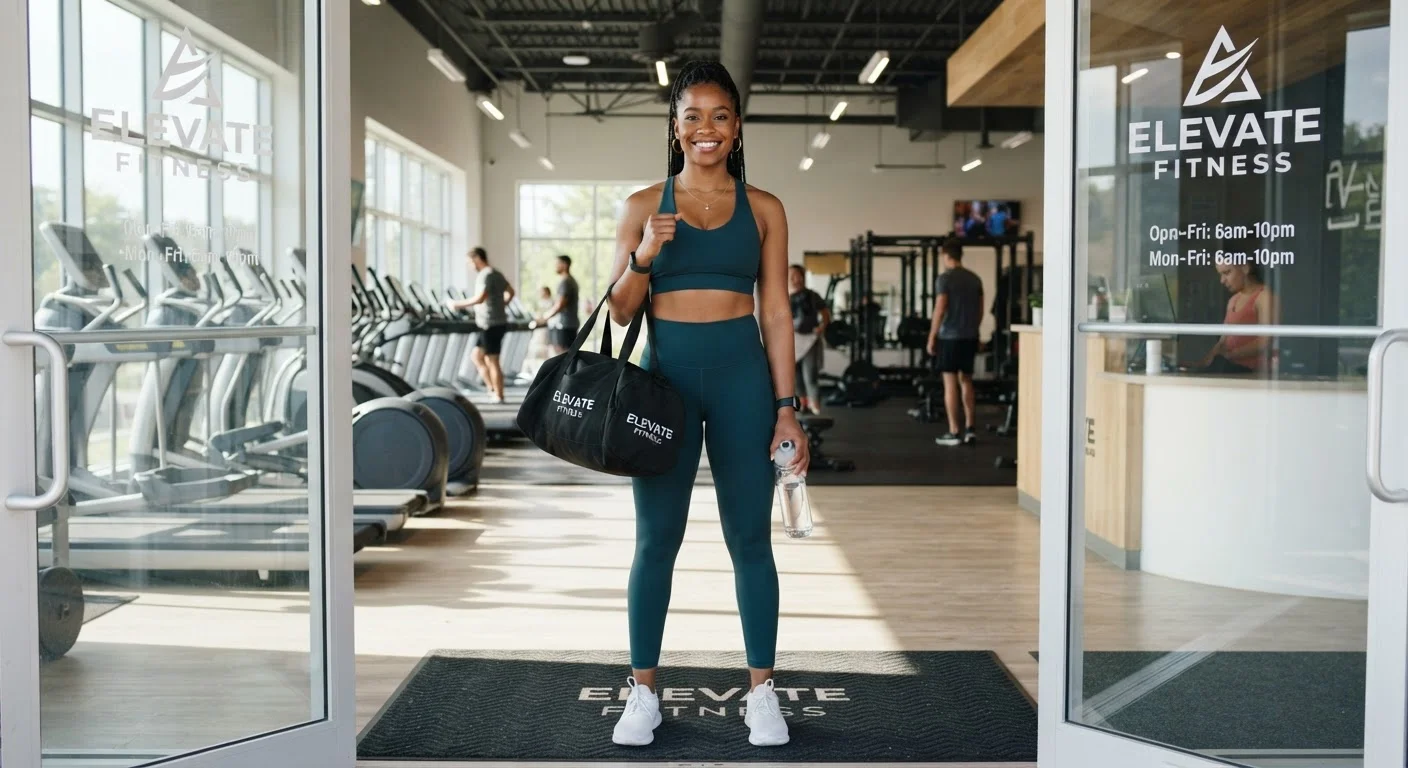
Why a Readiness Checklist Matters for Beginners
Walking into a gym for the first time can feel overwhelming. Between unfamiliar equipment, unspoken social rules, and the pressure to perform, many beginners leave before they've truly started. A readiness checklist removes the guesswork - helping you arrive informed, equipped, and mentally prepared rather than anxious and underprepared.
This checklist covers four key areas: health clearance, physical preparation, logistics, and mindset. Work through each item before your first session and you'll be starting from a position of genuine readiness, not just hope.
If you're curious how gym preparation differs from other wellness routines, our pre-session readiness guide for peer support groups offers a useful contrast in how we prepare for different kinds of well-being practices.
Medical Clearance Isn't Optional for Everyone
If you have a diagnosed heart condition, diabetes, high blood pressure, or any condition that affects your joints or lungs, getting explicit medical clearance before starting a gym program is essential - not a formality. Your healthcare provider can help tailor any exercise restrictions or modifications to keep you safe. This article provides general guidance and is not a substitute for personalized medical advice.
What You'll Need Before Getting Started
Before diving into the checklist itself, make sure you have the right tools on hand. These aren't luxury items - they're the basic building blocks of a safe, effective gym experience.
Supportive Athletic Shoes
Proper footwear reduces injury risk by providing stability and cushioning specific to gym movements.
Refillable Water Bottle
Staying hydrated throughout your session supports performance and helps prevent dizziness or fatigue.
Gym Towel
Required for wiping down shared equipment - a hygiene standard in most gym facilities.
Workout Journal or Notes App
Tracking your exercises, weights, and sets from day one helps you measure progress and stay motivated.
Fitness Tracker or Smartwatch
Monitoring heart rate and session duration can help beginners stay within a safe, effective effort range.
Your Gym Readiness Checklist
Work through each group below in order. Items marked must are non-negotiable for safety and effectiveness. Should items are strongly recommended for most beginners, while nice to have items can improve your experience over time.
Health Clearance
Gear & Equipment
Goal Setting & Planning
Gym Etiquette & Orientation
Mindset & Expectations
Also worth reviewing: our readiness checklist for new exercisers, which covers additional context around starting any exercise routine safely.
After Your First Session: Don't Skip Recovery
Completing your first gym session is a genuine achievement - but what you do in the hours and days afterward matters just as much as the workout itself. Recovery is where your body adapts, repairs muscle tissue, and builds the capacity to do more next time.
Beginners often underestimate how sore they'll feel after their first few sessions. This is known as DOMS (delayed onset muscle soreness) and typically peaks 24-48 hours after exercise. It's normal, but it's also a signal to treat recovery seriously.
Our workout recovery hub covers the essential strategies - from sleep and hydration to active rest days - that support safe, consistent progress for beginners. And if you're returning after time away rather than starting fresh, the checklist for returning to the gym after a long break addresses the specific risks and adjustments that situation requires.
Soreness vs. Pain: Know the Difference
Muscle soreness after a workout is common and generally harmless for most people. Sharp, stabbing, or joint-focused pain during or after exercise is a different matter - it may signal injury and should not be pushed through. If you experience pain that persists beyond a few days or is localized to a joint, stop training and consult a healthcare professional before returning to the gym.
This article is for general informational purposes only and does not constitute medical advice. Always consult a qualified healthcare professional before beginning a new exercise program, particularly if you have an existing health condition.