
Why Balance Matters From the Very Beginning
Many beginners focus on only one type of exercise - running every day, or doing only crunches - and wonder why results plateau or injuries arise. A balanced approach spreads physical demand across different systems in your body, reducing overuse risk and building overall fitness more efficiently.
Cardio improves your heart and lung capacity. Strength training supports your muscles and bones. Flexibility work keeps your joints moving well and reduces tension. Together, these three pillars create a body that functions better in everyday life - not just in the gym.
Good nutrition also plays a supporting role. If you're new to thinking about what fuels your workouts, our guide to building a balanced plate is a practical starting point.
Check With Your Doctor First
If you have a pre-existing health condition, a history of injury, or have been inactive for an extended period, consult a qualified healthcare professional before starting a new exercise routine. This guide provides general educational information only and is not a substitute for personalized medical advice.
What You'll Need Before You Start
Getting ready to exercise doesn't require a lot of preparation, but a few basics make a real difference to comfort and safety.
What you will need
Comfortable athletic footwear
Provides support and cushioning during cardio and strength exercises to reduce injury risk.
Exercise mat
Used for floor-based stretching, bodyweight exercises, and flexibility work.
Water bottle
Keeps you hydrated throughout your workout session.
Resistance bands
Lightweight, affordable tools that add gentle resistance for beginner strength exercises.
Timer or fitness app
Helps you track work and rest intervals during your sessions.
How to Build Your Routine: Step-by-Step
Follow these steps to move from zero exercise experience to a structured, repeatable weekly routine. Take your time with each step - there's no rush.
Don't Skip the Warm-Up
Jumping into exercise without warming up increases your risk of muscle strains and joint pain. Even five minutes of light movement - such as walking in place or gentle arm circles - prepares your body for more demanding activity and reduces injury risk.
Understand the three exercise categories
Before building a routine, it helps to know what you're combining. A balanced fitness plan draws from three main categories:
- Cardiovascular (cardio) exercise - any continuous movement that raises your heart rate, such as brisk walking, cycling, or swimming. It supports heart health and endurance.
- Strength training - exercises that work your muscles against resistance, using bodyweight, bands, or weights. It builds muscle, supports bone density, and improves daily function.
- Flexibility and mobility work - stretching and movement exercises that maintain or improve your range of motion. Yoga and static stretching fall into this category.
You don't need to master all three at once. Starting with one or two sessions in each category per week is a realistic and sustainable foundation. For a deeper look at strength work, see our beginner's guide to strength training.
Set a realistic weekly schedule
For beginners, three to four workout sessions per week is a manageable target. A simple structure might look like this:
- Two cardio sessions - such as 20-30 minute brisk walks or low-impact cycling
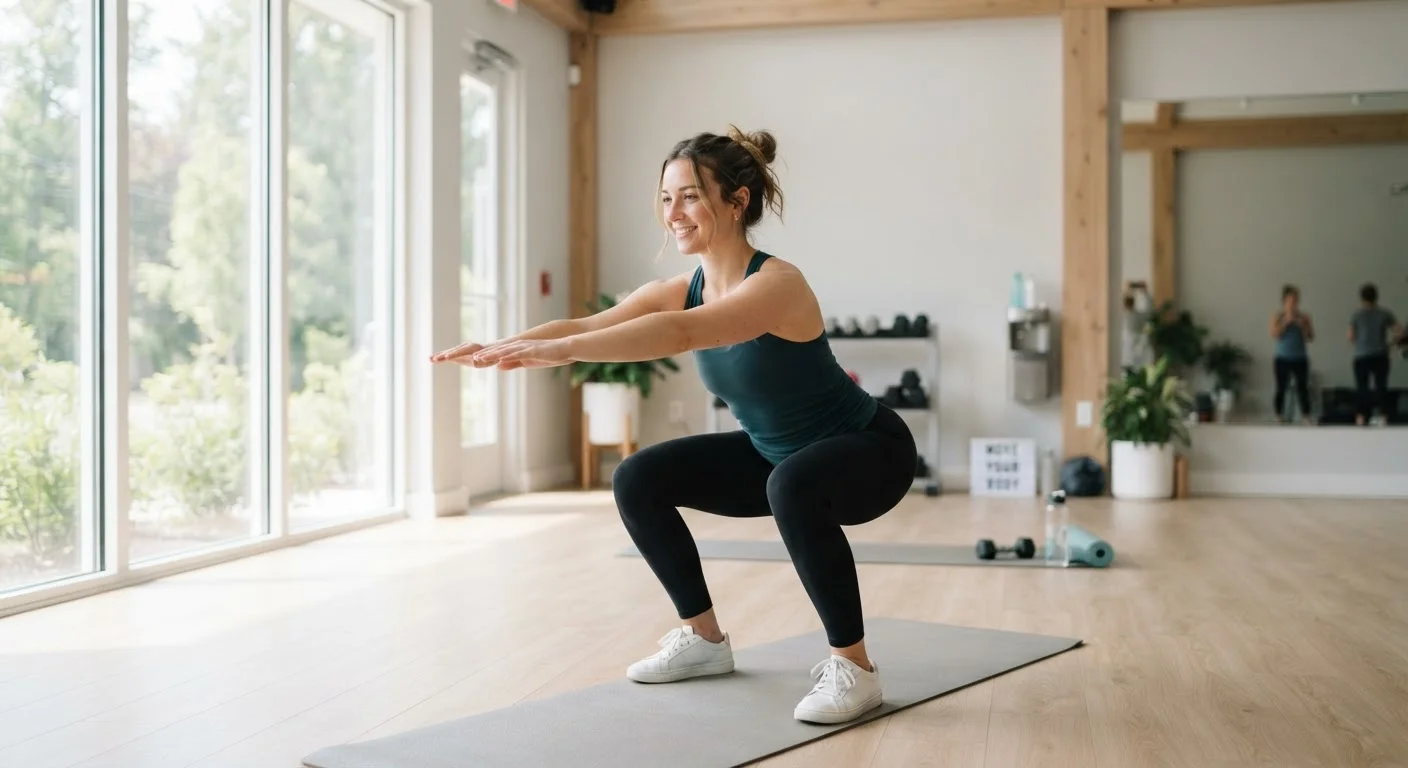
- One strength session - bodyweight movements like squats, push-ups, and lunges
- One flexibility session - a short yoga flow or guided stretching routine
Rest days between sessions allow your body to recover and adapt, which is where much of the actual fitness improvement happens. To learn how to build recovery into your plan properly, see our article on building recovery into your routine.
Gather what you need
You don't need a gym or expensive equipment to get started. Many effective beginner workouts use only your bodyweight and a small amount of floor space. See the tools listed above for what's helpful to have on hand. If you prefer to exercise at home, our guide to building a home workout routine without equipment walks you through exactly how to structure sessions without any gear.
Start your first week with short sessions
Your first week should feel manageable, not exhausting. Aim for sessions of 20-30 minutes and focus on learning the movement patterns rather than pushing intensity. For cardio, a brisk 25-minute walk counts. For strength, try three sets of bodyweight squats, wall push-ups, and a standing hip hinge. For flexibility, a 15-minute stretch targeting your hips, hamstrings, and shoulders is a strong start.
Pay attention to how your body feels during and after each session. Mild muscle soreness 24-48 hours later (called DOMS - delayed onset muscle soreness) is normal and expected. Sharp or joint pain is not normal and warrants rest and, if persistent, a conversation with a healthcare provider.
Build gradually over the following weeks
Once the first week feels sustainable, you can begin adding small amounts of volume or intensity. Options include adding five minutes to a cardio session, progressing from wall push-ups to knee push-ups, or holding stretches slightly longer. For a structured plan covering your first month, our four-week beginner workout plan provides a week-by-week progression.
Setting achievable milestones helps you stay motivated through the early weeks. For guidance on that, see our article on setting realistic fitness goals.
Progress Gradually, Not Quickly
A common beginner mistake is doing too much too soon. Increase workout duration or intensity by no more than 10% per week. This gradual approach helps your muscles, joints, and cardiovascular system adapt without excessive soreness or setback.
Staying Consistent When Motivation Fluctuates
Motivation tends to be high at the start and dip after the first few weeks. This is completely normal. Consistency is built through habit, not enthusiasm alone. A few strategies that support long-term adherence include:
- Choosing exercise types you genuinely find tolerable or enjoyable
- Pairing workouts with an existing habit (such as exercising after your morning coffee)
- Having a backup plan for when your scheduled session isn't possible - even a 10-minute walk maintains momentum
If you're a man looking for a more targeted entry point into strength work, our article on starting strength training from zero covers the fundamentals in plain language. For broader beginner workout resources, explore our beginner workouts hub.
This article is for general informational purposes only and does not constitute medical advice. Always consult a qualified healthcare professional before beginning a new exercise program, particularly if you have any health conditions or concerns.