
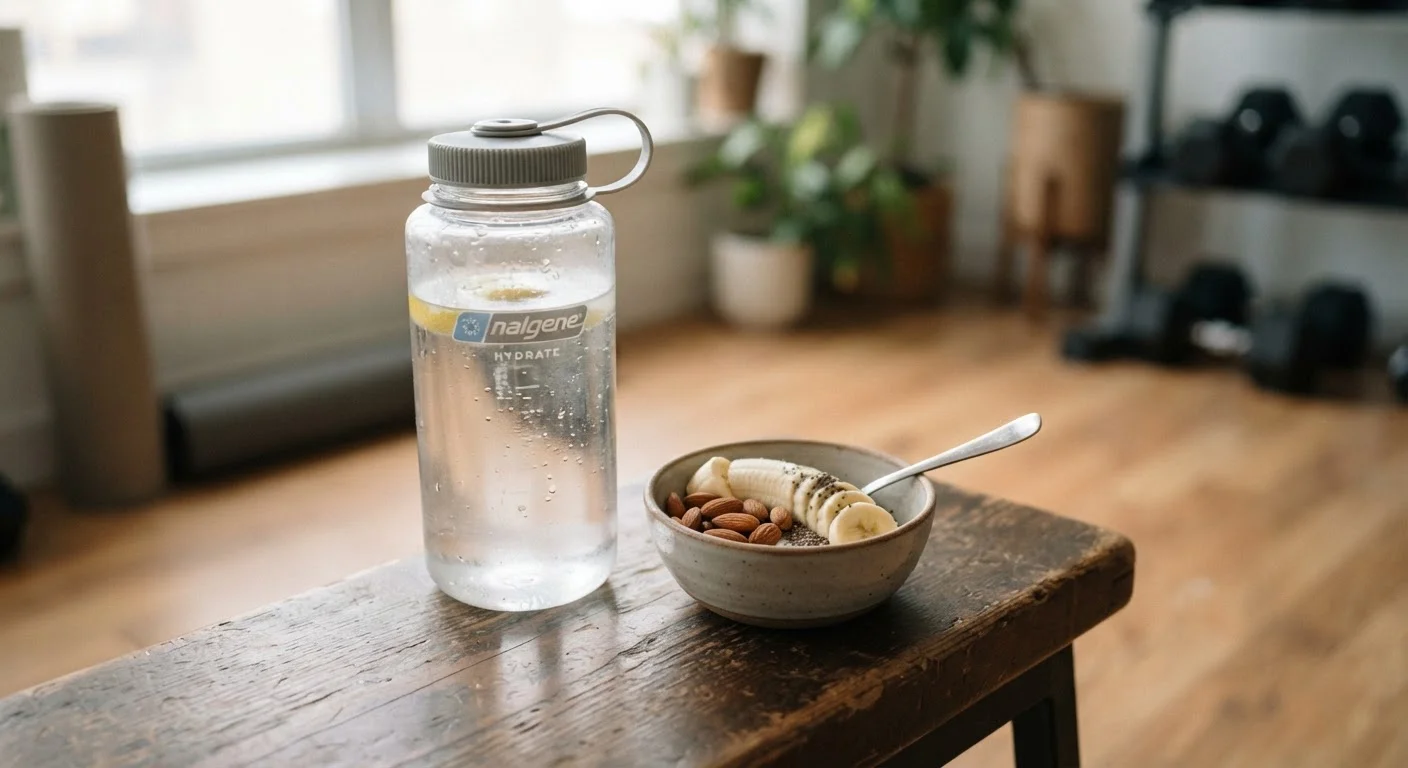
Why Plain Water Isn't Always Enough
When you exercise, your body loses far more than water. Sweat carries dissolved minerals - primarily sodium, potassium, and magnesium - that your muscles and nerves rely on to function. These are called electrolytes, and replacing fluid volume without addressing them is only half the job.
Think of it this way: your body's fluid compartments need to be both refilled and rebalanced. If you drink a large amount of plain water without restoring electrolytes, you can actually dilute the concentration of minerals in your blood, which may cause symptoms like headache, fatigue, or muscle cramps - the opposite of what recovery should feel like.
This doesn't mean you need to reach for a brightly colored sports drink after every session. For most beginner workouts lasting under an hour, water paired with a mineral-rich snack is often perfectly adequate. The key is understanding that hydration is a composition problem, not just a quantity problem.
Electrolytes Come From Food, Too
You don't need to rely on packaged drinks to restore electrolytes after exercise. Many everyday foods are excellent sources: dairy products provide calcium and potassium, leafy greens contain magnesium, and even a small amount of table salt in a post-workout meal replaces sodium effectively. A balanced snack or meal shortly after exercise can do much of the recovery work that a sports drink would otherwise address.
How Dehydration Slows Recovery
Recovery isn't just about rest - it's a biological process that requires the right conditions. Your body uses the post-workout window to repair microscopic muscle damage, reduce inflammation, and replenish stored energy. All of these processes depend on adequate fluid availability.
Even mild dehydration - as little as 1-2% of body weight in fluid loss - has been shown in research to impair muscle protein synthesis, reduce cognitive performance, and increase the perception of fatigue. In practical terms, this means you might feel more sore, more tired, and less ready for your next session than you would if you'd rehydrated properly.
1-2%
Body weight fluid loss that impairs performance
Research published in exercise physiology literature indicates that dehydration of just 1-2% of body weight can measurably reduce physical and cognitive performance.
~75%
Of Americans chronically under-hydrated
Studies cited by nutrition researchers suggest a majority of U.S. adults do not meet recommended daily fluid intake levels, which can compound the effects of exercise-related fluid loss.
Hydration also affects how quickly nutrients reach your recovering muscles. Blood volume decreases when you're dehydrated, which means the oxygen and amino acids your muscles need for repair travel more slowly through your circulatory system. Staying well-hydrated keeps that delivery system running efficiently.
For a broader look at what recovery actually involves, see our beginner's guide to building recovery into your routine.
Practical Ways to Rehydrate Effectively
Effective post-workout rehydration doesn't require special products or complicated strategies. Here are the core principles that exercise science supports:
- Check your urine color. Pale yellow indicates good hydration; dark amber signals you need more fluids. This is one of the most accessible and reliable self-monitoring tools available.
- Eat your electrolytes. Whole foods like bananas (potassium), salted nuts (sodium), yogurt (calcium and magnesium), and leafy greens cover a wide spectrum of electrolyte replenishment naturally.
- Rehydrate gradually. Sipping fluids steadily over 30-60 minutes after exercise is more effective than drinking a large amount all at once, which can pass through the system quickly.
- Factor in your environment. Hot, humid conditions or high altitudes increase sweat rate significantly - adjust your intake accordingly.
For more hydration context tailored to individual needs, our article on fluid needs beyond the eight-glasses rule explores how factors like body size and activity level shape personal requirements.
Weigh Yourself Before and After Exercise
Each pound of body weight lost during a workout roughly equals 16 oz (about 500 ml) of fluid lost through sweat. Weighing yourself before and after a session gives you a concrete baseline for how much to rehydrate - without any guesswork. This technique is commonly used in sports nutrition and is easy to apply at home.
It's also worth noting that hydration supports more than muscles. Quality sleep and recovery - itself a cornerstone of fitness progress - is affected by fluid balance, as even mild dehydration can disrupt sleep quality.
If you're noticing signs like persistent fatigue or sluggish performance despite resting, it may be worth reading about signs your body needs more recovery time. Hydration is just one piece of that puzzle.
This article is for informational purposes only and is not a substitute for professional medical or dietary advice. If you have specific health conditions or concerns, consult a qualified healthcare professional before making changes to your exercise or nutrition routine.