
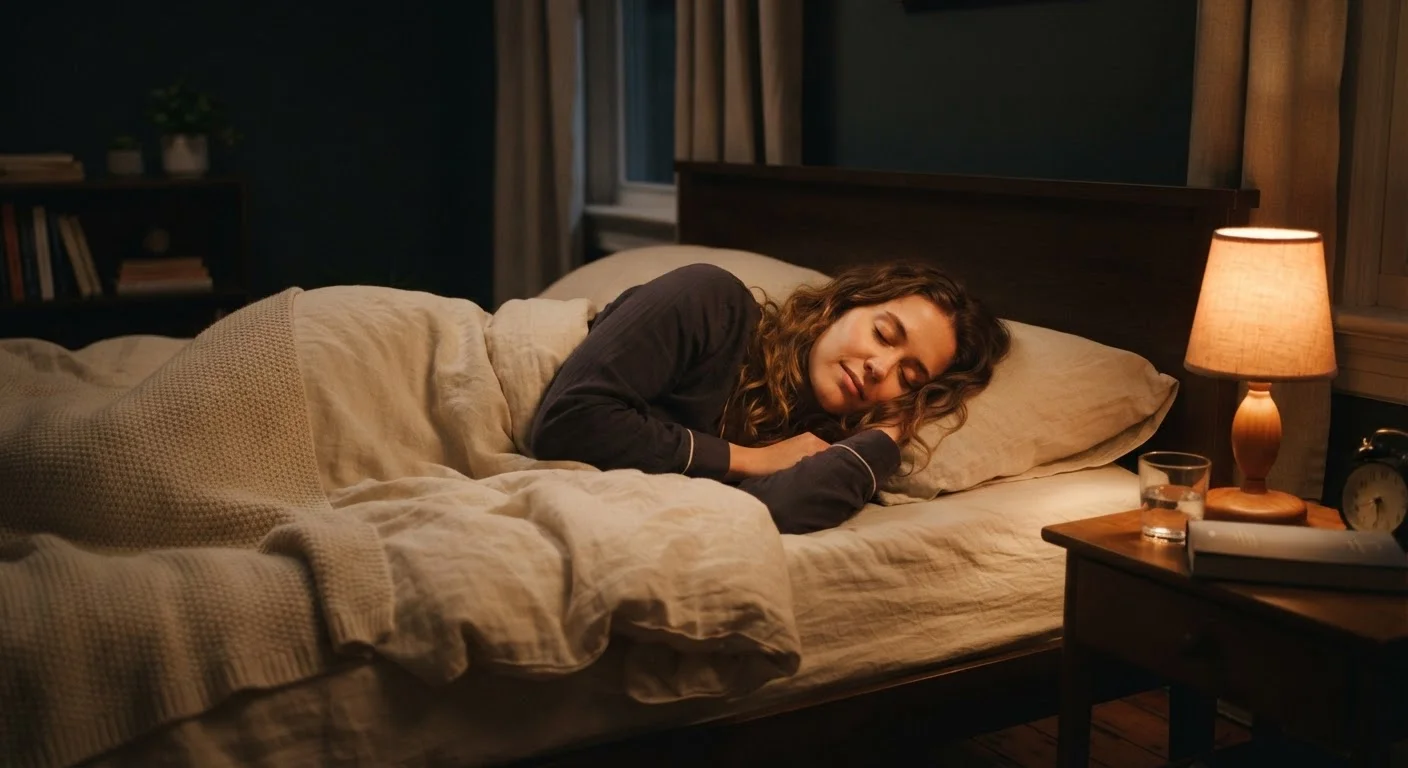
Why Sleep Is Part of Your Workout - Not Separate From It
Many people think of a workout as the work and sleep as passive downtime. In reality, sleep is where a significant portion of the fitness-building process actually happens. When you exercise, you create small amounts of stress and microscopic damage in muscle fibers. The body responds to this stress by rebuilding those fibers stronger - but that rebuilding happens largely while you're asleep.
Understanding this helps shift the way you think about recovery. Sleep isn't something you do after training; it's a core part of training itself. For anyone looking to build a sustainable fitness routine, underestimating sleep is one of the most common and costly mistakes.
See our guide to what actually happens to your muscles after a workout for a deeper look at the biological repair process your body initiates each time you exercise.
What the Body Does During Sleep to Support Recovery
Sleep is not a uniform state - it cycles through distinct stages, each playing a different role in recovery. The two most relevant for exercise recovery are slow-wave sleep (also called deep sleep) and REM sleep.
- Deep sleep: This is when the pituitary gland releases a significant pulse of human growth hormone (HGH). HGH is essential for muscle tissue repair, protein synthesis, and overall physical restoration. Without adequate deep sleep, this hormonal release is blunted.
- REM sleep: This stage supports the nervous system's consolidation of motor patterns - the movement skills and coordination developed during training. If you're learning a new exercise technique, REM sleep helps lock it in.
Beyond these two stages, sleep also regulates cortisol, the body's primary stress hormone. Inadequate sleep keeps cortisol elevated, which can slow muscle repair and contribute to fatigue that carries into subsequent training sessions.
~70%
Of daily growth hormone released during sleep
Research published in endocrinology literature consistently shows that the majority of daily human growth hormone secretion occurs in the first few hours of nighttime sleep, coinciding with slow-wave sleep stages.
7-9 hrs
Recommended nightly sleep for adults
The American Academy of Sleep Medicine and Sleep Research Society recommend 7-9 hours of sleep per night for most adults to support overall health and optimal functioning.
~20%
Reduction in maximal muscle strength linked to sleep loss
Studies on sleep-deprived individuals have found meaningful declines in strength output and muscular endurance, underscoring sleep's direct role in physical performance.
How Sleep Deprivation Undermines Fitness Progress
Research consistently shows that insufficient sleep has measurable negative effects on physical performance and recovery. Reaction time slows, perceived effort during exercise increases, and the ability to sustain intensity or volume drops. For beginners especially, this can make workouts feel unnecessarily difficult - sometimes leading to discouragement or injury.
Chronic sleep deprivation also affects body composition over time. Hormonal imbalances from poor sleep can increase appetite (particularly for calorie-dense foods), reduce the proportion of muscle retained during weight loss, and impair the body's ability to use glucose efficiently.
If you've been noticing persistent fatigue, declining performance, or mood shifts, sleep quality may be a contributing factor. Our article on signs your body needs more recovery time walks through what to look for.
Track Sleep Like You Track Workouts
If you log your training sessions, consider also noting your sleep duration and rough quality each day. Over time, patterns often emerge - days with poor sleep tend to correlate with harder-feeling workouts and slower recovery. Even a basic journal or phone note is enough to start noticing the connection.
Practical Steps to Prioritize Sleep as a Recovery Tool
Improving sleep for better recovery doesn't require dramatic lifestyle changes. A few consistent habits can make a meaningful difference:
- Set a consistent schedule. Going to sleep and waking up at the same time each day - even on weekends - reinforces your body's internal clock and improves sleep quality over time.
- Create a wind-down routine. Lowering stimulation in the 30-60 minutes before bed (dimming lights, reducing screen time, avoiding intense exercise late at night) signals to the body that sleep is coming.
- Optimize your sleep environment. A cool, dark, quiet room is associated with better sleep quality. Even small adjustments here can help.
- Watch caffeine timing. Caffeine has a half-life of roughly 5-6 hours in most adults, meaning an afternoon coffee can still affect sleep onset at night.
For a more complete look at how recovery fits into a beginner fitness plan, see how to build recovery into your routine. And if you're curious about how sleep affects mental as well as physical wellbeing, why sleep is a mental health tool offers an informative perspective.
This article is for general informational purposes only and is not a substitute for professional medical or fitness advice. If you have concerns about your sleep, recovery, or health, consult a qualified healthcare provider.