
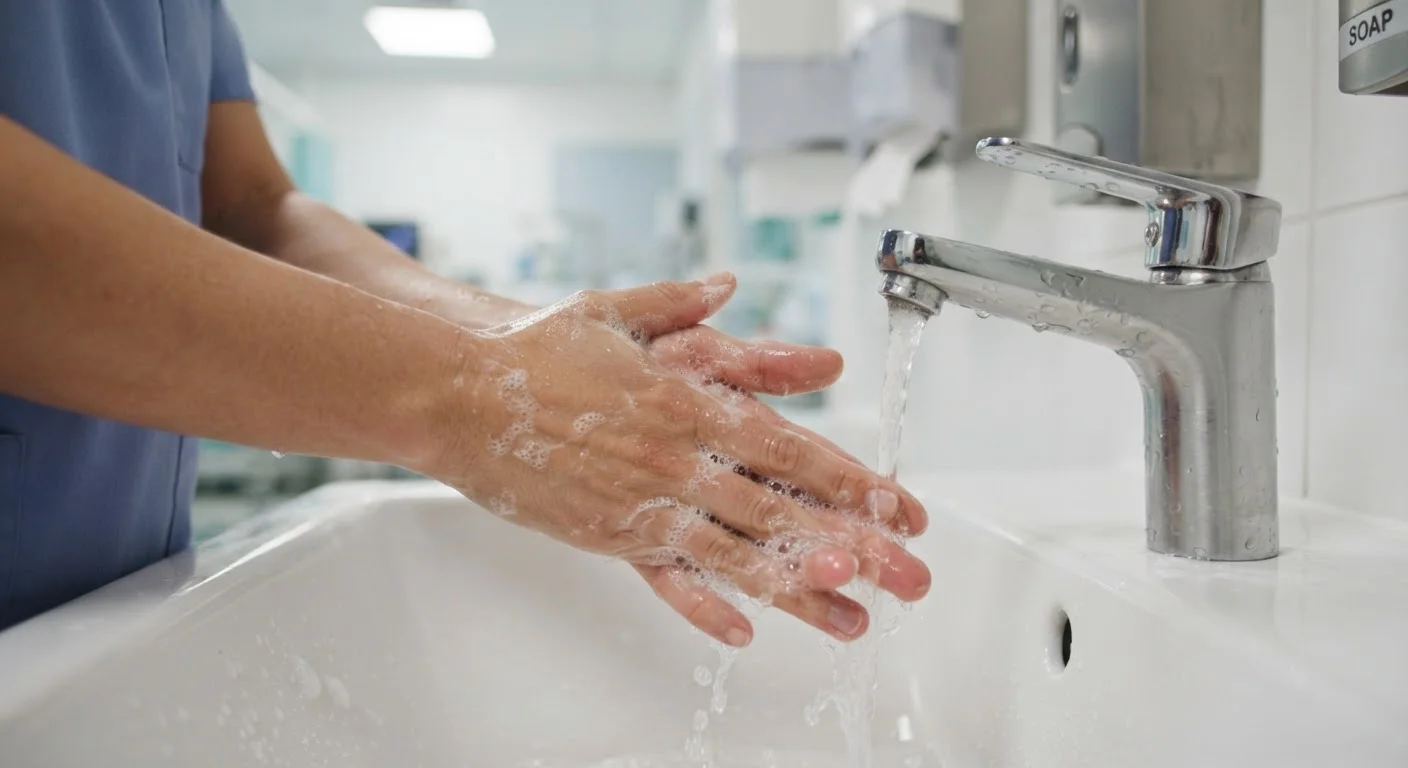
Why Handwashing Works - and Why Technique Matters
Handwashing is among the most thoroughly studied and cost-effective public health interventions known to medicine. According to the CDC, proper hand hygiene can reduce respiratory illness rates by up to 21% and diarrheal disease by up to 31% - figures that translate to millions of prevented infections globally each year. Despite this, observational studies consistently show that most people wash their hands either too briefly or incompletely.
The science behind handwashing is straightforward: soap molecules have one end that bonds to water and another that bonds to oils and fats. When you lather and scrub, soap breaks apart the oily membrane surrounding many viruses and bacteria, effectively destroying them or suspending them so they rinse away. The process is largely mechanical - duration and coverage matter more than any special ingredient.
Handwashing Cannot Replace Medical Care
While proper handwashing significantly lowers your risk of common infections, it is not a substitute for vaccinations, prescribed treatments, or professional medical advice. If you are experiencing symptoms of an infection, consult a qualified healthcare provider rather than relying on hygiene measures alone.
Handwashing fits into a broader set of daily practices that reduce infection risk. For context on how it complements other habits, see our guide to everyday infection prevention habits.
What You Need Before You Start
Effective handwashing does not require specialized products. The essentials are minimal:
What you will need
Plain soap (bar or liquid)
Creates lather that lifts and suspends pathogens so they can be rinsed away.
Running water (any temperature)
Rinses loosened pathogens and soap residue off the skin.
Clean towel or paper towel
Drying hands after washing; further reduces pathogen counts through friction.
Alcohol-based hand sanitizer (≥60% alcohol)
Backup option when soap and water are not accessible.
Notably absent from this list: antibacterial soap, hot water, and any specific brand of sanitizer. The evidence does not support their superiority for routine handwashing in non-clinical settings.
How to Wash Your Hands Correctly
Follow these steps each time handwashing is indicated. The full process takes approximately 40-60 seconds from start to finish, including the time spent drying.
Wet your hands with clean, running water
Turn on the tap and get your hands thoroughly wet before applying soap. Research from the Centers for Disease Control and Prevention (CDC) indicates that water temperature does not meaningfully affect germ removal - use whatever temperature is comfortable. Wetting first helps the soap spread evenly.
Apply soap and build a lather
Dispense enough soap to cover all surfaces of both hands. Plain soap - bar or liquid - is sufficient. The lather itself is not what kills germs; it acts as a vehicle that loosens and suspends pathogens so they can be rinsed away. Antibacterial soaps offer no proven benefit over regular soap for everyday handwashing, according to the U.S. Food and Drug Administration (FDA).
Scrub all surfaces for at least 20 seconds
This is the most critical step. Rub your hands together vigorously, making sure to cover:
- Palms and the backs of both hands
- Between your fingers
- Under your fingernails (curl fingers into the opposite palm)
- Your thumbs and wrists
Twenty seconds is the minimum duration recommended by the CDC and the World Health Organization (WHO). The mechanical friction of scrubbing is what physically dislodges pathogens from the skin.
Rinse thoroughly under running water
Hold your hands under running water and let it wash away the loosened germs and soap. Avoid rinsing in a basin of standing water, which can become contaminated. Ensure all soap residue is removed, as leftover soap can cause skin irritation over time.
Dry hands completely with a clean towel
Pat - rather than rub - your hands dry using a clean cloth or paper towel. Damp hands transfer bacteria and viruses more readily than dry hands, so this step is not optional. In public restrooms, single-use paper towels are preferable to shared cloth towels. Air dryers are acceptable if no towels are available.
A Simple Timing Trick
Humming the 'Happy Birthday' song twice takes roughly 20 seconds - a reliable, low-effort way to pace your scrubbing without watching a clock. Any comparable mental timer works just as well.
When Handwashing Matters Most
Not every moment carries equal risk. The CDC and WHO identify specific situations where handwashing has the greatest impact on preventing the spread of infection:
- Before and after preparing or eating food
- After using the toilet
- After blowing your nose, coughing, or sneezing
- Before and after caring for someone who is ill
- After touching animals or animal waste
- After handling garbage or chemicals
Hand Sanitizer Has Real Limitations
Alcohol-based sanitizers do not effectively kill all pathogens - notably norovirus (stomach bugs) and Clostridioides difficile (C. diff) spores. In these situations, soap and water is the only appropriate option. Sanitizer also cannot remove physical contaminants such as dirt, grease, or pesticides.
When soap and water are genuinely not available, an alcohol-based sanitizer containing at least 60% alcohol is an evidence-supported alternative for most everyday pathogens. Apply enough to cover all hand surfaces and rub until dry - do not wipe it off early.
This article is for general informational purposes only and does not constitute medical advice. Always consult a qualified healthcare professional for guidance specific to your health situation.