
How Pathogens Cross the Animal-Human Divide
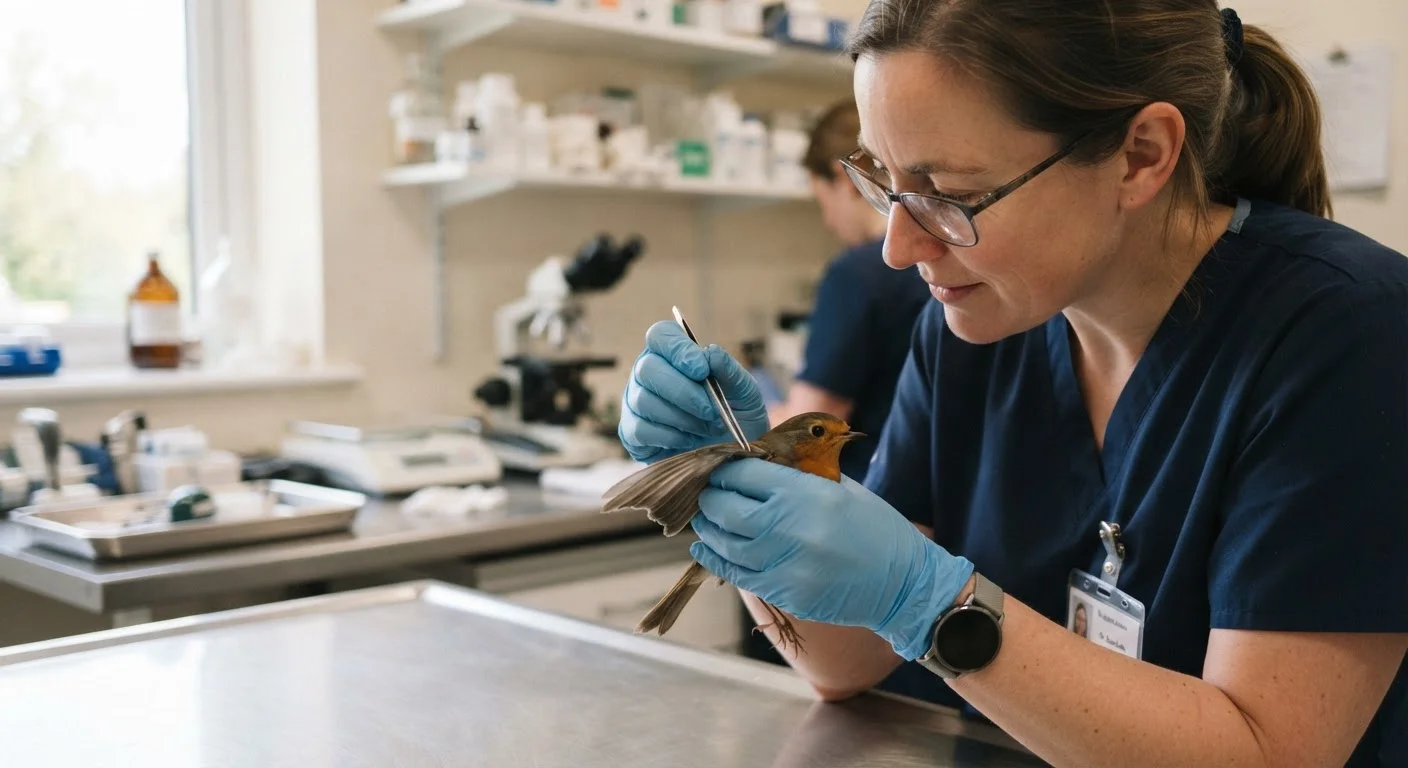
The biological boundary between animals and humans is more permeable than many people realize. Pathogens - the microorganisms that cause disease - evolve constantly, and some develop the ability to infect more than one species. When a pathogen successfully moves from an animal host into a human, scientists call this a spillover event.
Spillover can happen through several distinct routes, which are important to understand because they also shape prevention strategies:
- Direct contact: Handling an infected animal, being bitten or scratched, or coming into contact with its saliva, blood, urine, or feces.
- Vector-borne transmission: A biting insect - such as a tick, mosquito, or flea - picks up a pathogen from an infected animal and delivers it to a human host. Lyme disease and West Nile virus follow this path.
- Foodborne exposure: Consuming undercooked meat, raw eggs, or unpasteurized dairy products from infected animals. Salmonella is a classic example.
- Environmental contact: Touching contaminated soil or water where animal waste has been deposited - relevant for diseases like leptospirosis.
Understanding these routes is foundational to risk reduction. See our guide to how infectious diseases spread for a broader look at transmission across all pathogen types.
Well-Known Zoonotic Diseases and What Causes Them
Zoonoses vary widely in severity, geographic range, and the type of pathogen involved. Below are some of the most recognized examples:
~60%
Known human infectious diseases with animal origins
According to the World Health Organization, approximately 60% of known human infectious diseases originated in animals.
75%
Emerging infectious diseases that are zoonotic
The WHO and CDC estimate that about 75% of newly emerging or re-emerging infectious diseases in humans have zoonotic origins.
476,000+
Americans diagnosed with Lyme disease annually
The U.S. Centers for Disease Control and Prevention (CDC) estimates more than 476,000 Americans are diagnosed and treated for Lyme disease each year.
Rabies
Caused by a virus transmitted almost exclusively through the saliva of an infected animal - usually via a bite. Wildlife such as bats, raccoons, and foxes are common reservoirs in the US. Rabies is nearly 100% preventable with prompt post-exposure treatment, but untreated infection is almost always fatal. Anyone bitten by an unfamiliar or wild animal should seek medical attention immediately.
Lyme Disease
Caused by the bacterium Borrelia burgdorferi and spread by the bite of infected black-legged ticks. Deer and small rodents serve as primary animal reservoirs. Early symptoms often include a characteristic expanding rash, fatigue, and flu-like illness. Early diagnosis and antibiotic treatment, guided by a healthcare provider, are important for recovery.
Salmonella
A bacterial infection most often acquired by handling reptiles, poultry, or backyard chickens, or by consuming contaminated food. Symptoms typically include diarrhea, fever, and stomach cramps. Most healthy adults recover without medical treatment, though severe cases require care - particularly in young children, older adults, and immunocompromised individuals.
Toxoplasmosis
Caused by the parasite Toxoplasma gondii, often associated with cat feces or undercooked meat. Most healthy people experience no symptoms, but infection during pregnancy carries specific risks, making it especially important for pregnant individuals to consult their healthcare provider about precautions.
Special Considerations for Vulnerable Groups
Pregnant individuals, young children, older adults, and people with weakened immune systems face higher risks from several zoonotic infections - including toxoplasmosis and salmonella. If you or someone in your household falls into one of these groups, consult a healthcare provider for personalized guidance on animal contact and food safety practices.
Reducing Your Risk of Zoonotic Infection
While it is impossible to eliminate all exposure to zoonotic pathogens - particularly for people who work with animals or spend time outdoors - a set of evidence-supported habits substantially lowers risk for most people.
After Outdoor Activities, Check for Ticks
Ticks can be as small as a poppy seed and may go unnoticed for hours. After hiking, gardening, or spending time in wooded or grassy areas, do a thorough full-body check - including the scalp, behind the knees, and underarms. Removing a tick within 24-36 hours significantly reduces the risk of Lyme disease transmission.
- Wash hands thoroughly with soap and water after handling animals, their food, or anything in their environment.
- Use insect repellents registered with the Environmental Protection Agency (EPA) when in tick- or mosquito-prone areas, and check for ticks after outdoor activities.
- Cook meat and eggs thoroughly to recommended internal temperatures and avoid unpasteurized dairy products.
- Keep pets up to date on vaccinations and schedule routine veterinary check-ups.
- Avoid contact with wild animals, even those that appear healthy or tame.
- Use gloves when handling soil, gardening, or cleaning animal enclosures.
Environmental factors - including crowding and local wildlife density - also influence how readily zoonotic infections circulate. Our article on why infections spread faster in some environments explores these dynamics in detail.
If you develop symptoms such as fever, rash, joint pain, or gastrointestinal illness after animal contact or an insect bite, contact a healthcare provider and mention the exposure. Accurate, timely diagnosis depends on that information.
This article is for general informational and educational purposes only and does not constitute medical advice. Always consult a qualified healthcare professional for personal health concerns, diagnosis, or treatment decisions.