
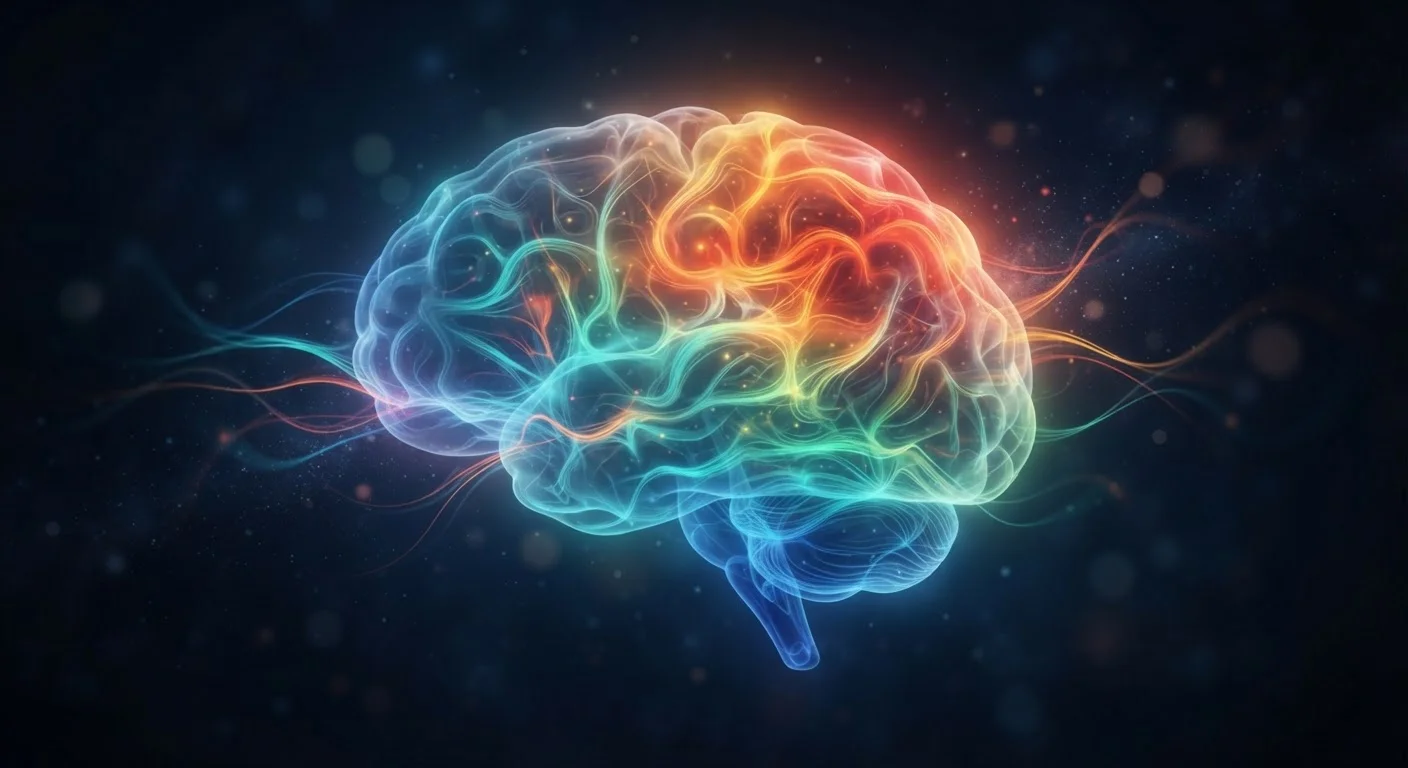
What's Actually Going On Inside the Brain
When your mood shifts unexpectedly, something very specific is happening in your brain. The limbic system - a group of structures deep inside the brain - acts as your emotional processing center. Within it, the amygdala flags emotional threats and triggers reactions, while the prefrontal cortex (the brain's rational overseer) tries to apply the brakes. Mood swings often reflect a temporary imbalance between these two regions.
Three neurotransmitters - chemical messengers that carry signals between brain cells - are especially important here:
- Serotonin: Regulates mood stability, sleep, and appetite. Low levels are associated with low mood and irritability.
- Dopamine: Drives motivation, pleasure, and reward. Spikes and drops in dopamine can produce rapid emotional highs and lows.
- Norepinephrine: Governs alertness and the stress response. Elevated levels can produce anxiety and agitation.
These chemicals don't operate in isolation - they interact constantly, and their balance can be shifted by everything from a poor night of sleep to a stressful conversation. To understand how anxiety specifically hijacks this system, see our article on what happens in the brain during anxiety.
~30%
Of adults report frequent unexplained mood changes
Population-based surveys on emotional health consistently find that a substantial minority of adults experience regular mood variability they find difficult to explain or predict.
2x
Greater amygdala reactivity after sleep loss
Studies published in peer-reviewed neuroscience journals have found that sleep-deprived participants show significantly amplified amygdala responses to emotionally negative stimuli compared to well-rested controls.
90%
Of people with PMS report mood symptoms
Research estimates that the vast majority of individuals who menstruate experience some mood-related symptoms in the premenstrual phase, reflecting the widespread influence of hormonal shifts on brain chemistry.
The Role of Hormones in Emotional Shifts
Hormones act as long-distance chemical signals that travel through the bloodstream and profoundly influence brain function - including how you feel. This is why hormonal changes are one of the most common biological triggers for mood swings, even in otherwise healthy people.
Estrogen and progesterone are particularly influential. Estrogen supports serotonin production, so when estrogen drops - as it does before menstruation, during perimenopause, or postpartum - serotonin can dip alongside it, contributing to low mood, irritability, or tearfulness. Progesterone has a calming, sedative-like effect on the brain, and its withdrawal can increase anxiety.
Cortisol, the primary stress hormone, also plays a major role. Chronic stress keeps cortisol elevated, which over time can impair serotonin signaling and shrink the hippocampus - a brain region involved in emotional regulation and memory.
It's worth noting that not every hormonal fluctuation signals a problem. Understanding the difference between normal hormonal variation and a genuine imbalance can help you make sense of what you're experiencing. For a broader look at hormonal symptoms, explore our Hormonal Health hub.
Track Your Mood to Find Your Patterns
Keeping a simple mood journal - noting how you feel, your sleep quality, stress level, and where you are in your cycle if applicable - can reveal patterns that feel random in the moment but are actually predictable. Even two to four weeks of data can help you and a healthcare provider identify triggers and develop a more targeted approach to emotional balance.
Sleep, Stress, and the Amplified Emotional Brain
Two lifestyle factors have an outsized effect on mood stability: sleep and chronic stress. Research shows that sleep deprivation significantly increases amygdala reactivity, making emotional responses more intense and harder to regulate. The prefrontal cortex - which normally helps contextualize and calm those reactions - becomes less effective when you're tired, essentially leaving the emotional alarm system running without a reliable off switch.
Chronic stress compounds this effect. Sustained cortisol exposure disrupts the brain's natural mood-regulating circuitry, making you more vulnerable to emotional swings even when circumstances don't seem extreme. Over time, this can create a feedback loop: stress impairs sleep, poor sleep amplifies stress sensitivity, and both erode emotional resilience.
Recognizing these patterns is genuinely empowering. Once you understand that an irritable afternoon might trace back to a restless night or a stressful week rather than a character flaw, you can begin to address the root causes. Our article on habits that support emotional balance offers practical, evidence-informed strategies for doing exactly that.
This article is for general informational purposes only and is not a substitute for professional medical or mental health advice. If you are experiencing frequent, severe, or distressing mood changes, please consult a qualified healthcare provider.