
Why Fibre Is Classified as a Carbohydrate — Yet Acts Differently
When most people think of carbohydrates, they picture bread, rice, or sugary foods. Fibre, however, belongs to the same chemical family — yet it behaves in a fundamentally different way inside the body. Understanding this distinction is one of the most useful pieces of nutritional knowledge a beginner can have.
Most carbohydrates are broken down by digestive enzymes into glucose, which enters the bloodstream and fuels the body's cells. Fibre resists this process. The human digestive system lacks the enzymes needed to break down fibre's molecular structure, so it travels through the stomach and small intestine mostly intact. This is precisely why fibre does not cause a spike in blood sugar the way refined carbohydrates do.
For a broader look at how carbohydrates, fats, and protein each serve different roles, see our guide to macronutrients.
~5%
Adults meeting daily fibre recommendations
Research published in the American Journal of Lifestyle Medicine estimates that fewer than 5% of Americans meet their recommended daily fibre intake.
25–38g
Recommended daily fibre intake for adults
The Dietary Guidelines for Americans recommend 25 grams per day for women and 38 grams per day for men, varying by age and calorie intake.
~15g
Average daily fibre intake in the U.S.
The average American consumes approximately 15 grams of fibre per day — roughly half the recommended amount, according to USDA data.
Soluble vs. Insoluble Fibre: Two Types, Two Jobs
Not all fibre works the same way, which is why nutrition experts distinguish between two main categories.
Soluble fibre dissolves in water to form a gel-like substance in the gut. This gel slows digestion, which helps moderate blood sugar responses after meals and can lower LDL (often called "bad") cholesterol levels. Oats, barley, apples, citrus fruits, and legumes are rich sources of soluble fibre.
Insoluble fibre does not dissolve in water. Instead, it adds bulk to stool and helps material move more efficiently through the intestines, reducing the likelihood of constipation. Whole wheat products, nuts, seeds, and most vegetables contain significant amounts of insoluble fibre.
Most plant foods contain a mixture of both types, so eating a varied, plant-forward diet naturally provides both. You do not need to track each type separately — prioritizing whole, minimally processed plant foods generally takes care of both.
Fibre on Nutrition Labels
In the U.S., the FDA requires dietary fibre to be listed separately under "Total Carbohydrates" on the Nutrition Facts label. Some labels also break this down further into soluble and insoluble fibre. Because fibre is not digested like other carbohydrates, some people tracking net carbohydrate intake subtract fibre grams from total carbohydrates — though this approach is not universally recommended and should be discussed with a healthcare professional or dietitian.
What Fibre Actually Does for Your Health
The downstream effects of regular fibre consumption are broad and well-supported by nutritional research.
- Digestive regularity: Insoluble fibre adds bulk and moisture to stool, supporting comfortable, consistent bowel movements.
- Blood sugar regulation: Soluble fibre slows the absorption of glucose, which helps prevent sharp blood sugar spikes — particularly important after carbohydrate-containing meals.
- Cardiovascular health: Evidence reviewed by organizations including the American Heart Association links higher fibre intake to lower LDL cholesterol and reduced cardiovascular risk.
- Gut microbiome support: Certain types of soluble fibre — known as prebiotic fibres — serve as fuel for beneficial bacteria in the large intestine, which in turn produce short-chain fatty acids that support gut lining health and immune function.
- Satiety: High-fibre foods tend to be more filling, which can naturally moderate appetite and overall food intake.
For a deeper look at how fibre, fermented foods, and hydration work together, explore our gut-friendly eating pattern guide.
Increase Fibre Gradually to Avoid Discomfort
Adding a large amount of fibre to your diet all at once is a common cause of bloating and gas. A gentler approach is to add one new fibre-rich food per week and increase water intake alongside it. This gives your digestive system and gut bacteria time to adapt comfortably.
Practical Ways to Increase Your Fibre Intake
Despite its importance, fibre is one of the most consistently under-consumed nutrients in the American diet. Research cited by the Dietary Guidelines for Americans indicates that most adults fall significantly short of recommended intake levels.
Practical, gradual changes tend to be more sustainable than dramatic dietary overhauls. Consider these approaches:
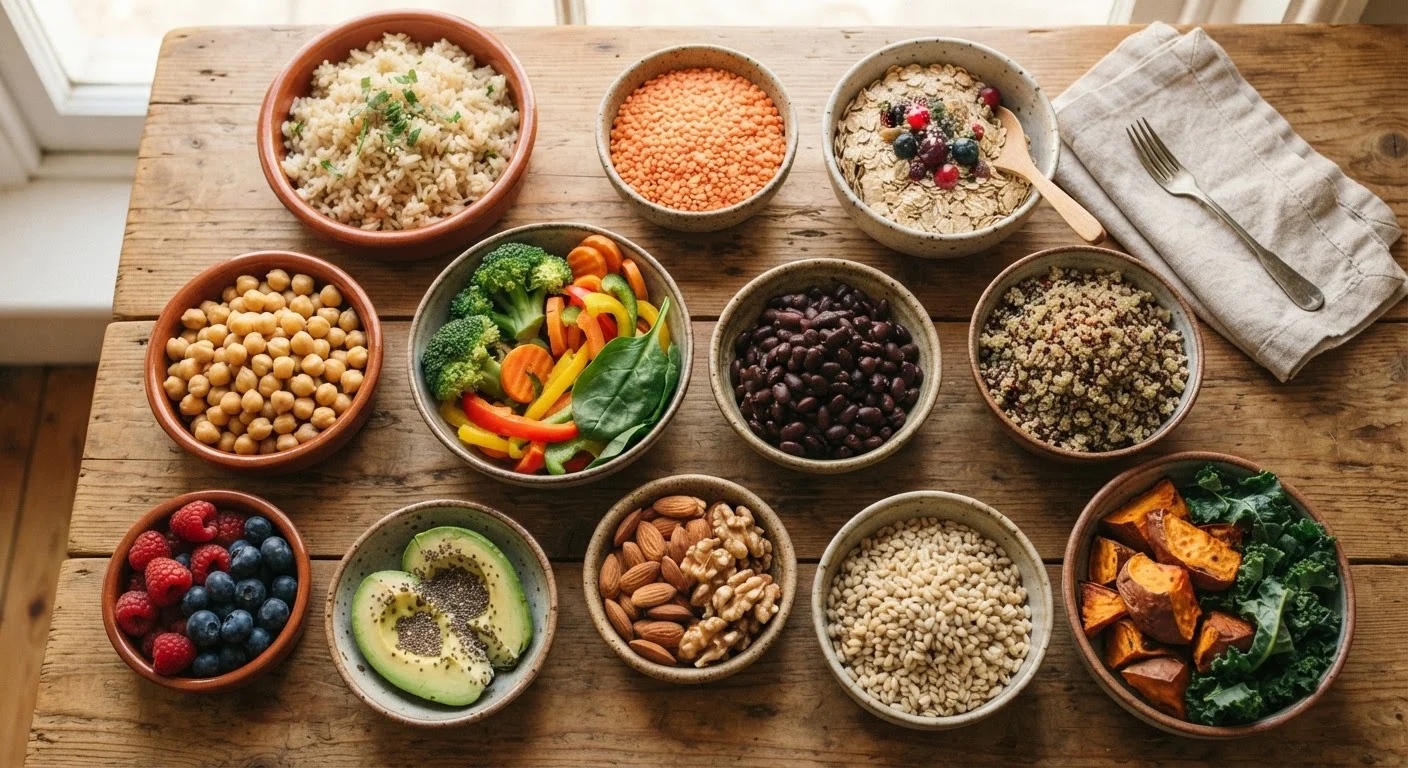
- Swap refined grains for whole grain versions — choose whole wheat bread, brown rice, or rolled oats.
- Add legumes to meals several times per week — lentils, chickpeas, and black beans are versatile and affordable.
- Keep the skin on fruits and vegetables where appropriate, as the skin often contains concentrated fibre.
- Choose whole fruit over fruit juice, which typically contains little to no fibre.
- Increase intake gradually over several weeks and drink plenty of water to ease the adjustment period.
If you want to understand more about why so many people miss the mark on fibre, our article on fibre shortfalls covers the most common barriers and how to address them.
This article is for general informational and educational purposes only and does not constitute medical or dietary advice. Always consult a qualified healthcare professional or registered dietitian before making significant changes to your diet, especially if you have an existing health condition.