
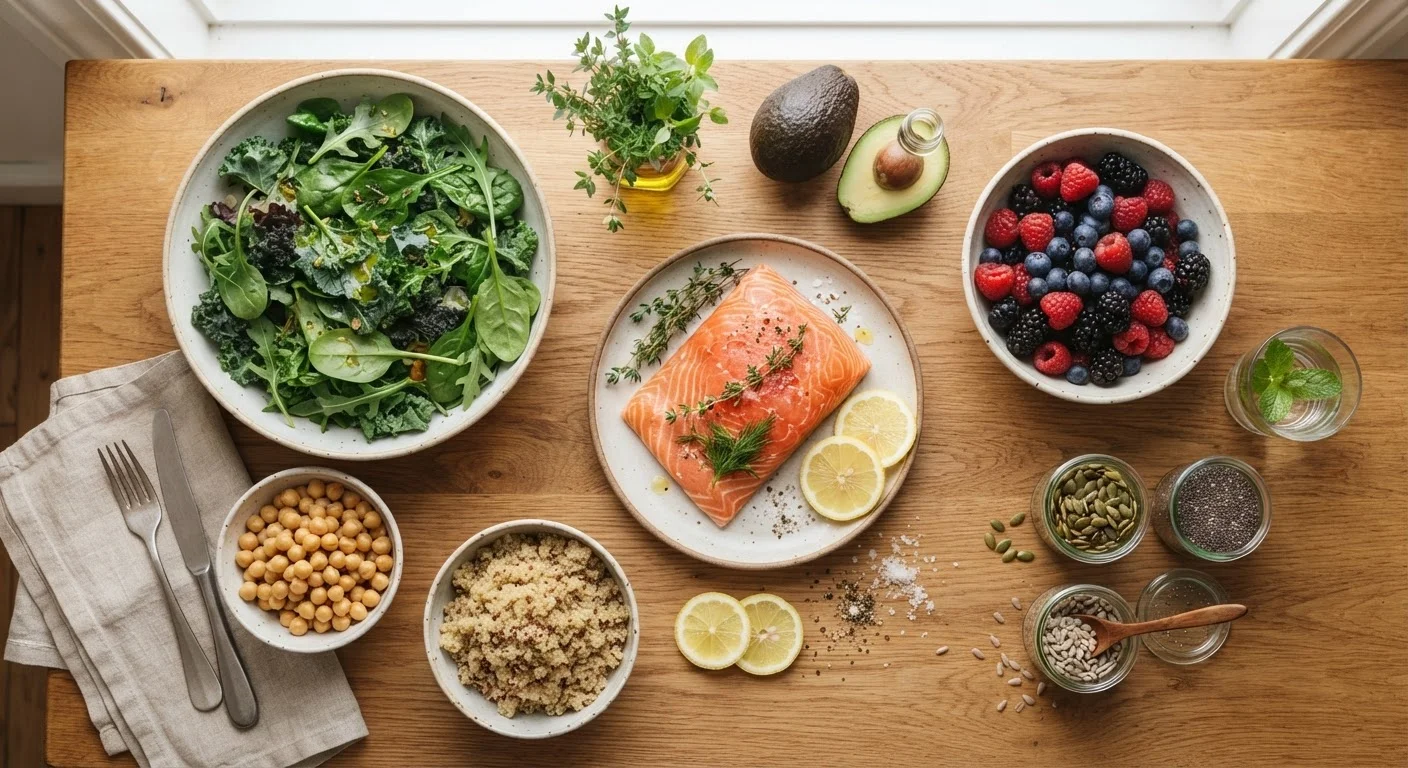
How Hormones Shape Nutritional Needs
The menstrual cycle is driven by shifting levels of estrogen and progesterone across roughly four phases: menstruation, the follicular phase, ovulation, and the luteal phase. These hormonal changes don't just affect mood and energy — they also influence how your body processes nutrients, regulates blood sugar, and experiences hunger. Understanding this connection is the first step toward eating in a way that genuinely supports your well-being. For a deeper look at how these shifts affect daily energy, see why your energy levels change throughout the month.
Research suggests that progesterone, which rises during the luteal phase (the week or two before your period), can slightly increase resting metabolic rate and appetite. Estrogen, dominant in the follicular phase, tends to support insulin sensitivity and may dampen appetite somewhat. These are general patterns — your personal experience may vary considerably, and that variation is completely normal. If you're wondering whether what you're experiencing is typical hormonal fluctuation or something more, this guide on hormonal imbalance vs. normal fluctuation offers useful context.
What About 'Cycle Syncing' Diets?
The term 'cycle syncing' describes a structured approach to matching food and exercise choices to specific menstrual cycle phases. While the underlying biology is real, the specific protocols promoted in popular media are not yet supported by large, rigorous clinical trials. The nutritional principles covered in this article — such as prioritizing iron after menstruation and increasing anti-inflammatory foods premenstrually — are grounded in evidence, even if a comprehensive cycle-syncing system as a whole has not been formally validated. Approach prescriptive cycle-syncing programs with healthy skepticism, and consider working with a registered dietitian to build a plan tailored to you.
Best Practices for Cycle-Phase Nutrition
Rather than following a rigid prescriptive plan, the evidence points to a few consistent, phase-aware nutritional habits that many women find genuinely helpful. Here are the core practices to consider:
Prioritize iron-rich foods during and immediately after menstruation.
Blood loss during menstruation depletes iron stores, which can contribute to fatigue and difficulty concentrating. Restoring iron through food — rather than defaulting to supplements — is generally the safest first step unless a deficiency is confirmed by a healthcare provider.
Lean into complex carbohydrates and fiber during the luteal phase to support stable blood sugar.
Rising progesterone in the luteal phase can subtly affect insulin sensitivity, making blood sugar swings more likely. Stable blood sugar is associated with more even mood and reduced cravings. Fiber from whole grains, legumes, and vegetables slows glucose absorption and supports gut health, which is closely linked to estrogen metabolism.
Include omega-3 fatty acids consistently, with extra attention before and during menstruation.
Omega-3 fatty acids — found in fatty fish, walnuts, and flaxseed — have anti-inflammatory properties that may help reduce prostaglandin-driven menstrual cramping. Several small studies suggest that higher omega-3 intake is associated with less severe dysmenorrhea (painful periods), though research is still ongoing.
Ensure adequate magnesium intake, particularly in the week before your period.
Magnesium plays roles in muscle relaxation, mood regulation via the nervous system, and sleep quality — all of which can be affected premenstrually. Some research links low dietary magnesium to more pronounced PMS (premenstrual syndrome) symptoms, including irritability and bloating.
Support the follicular phase with a wide variety of antioxidant-rich plant foods.
As estrogen rises during the follicular phase, many women report higher energy and mental clarity. This is a good time to focus on diverse, colorful produce, which provides antioxidants that support cellular health and reduce systemic inflammation — a key factor in hormonal balance.
Maintain consistent meal timing rather than skipping meals during any phase.
Irregular eating patterns can amplify cortisol (a stress hormone) fluctuations, which interact with estrogen and progesterone in complex ways. Eating at reasonably consistent intervals helps keep cortisol and blood sugar stable, creating a hormonal environment that's more conducive to well-being throughout the cycle.
Quick Wins You Can Start Today
You don't need a complete dietary overhaul to start eating in a more cycle-aware way. Small, consistent shifts can make a meaningful difference over time. Consider beginning with the following:
“There is no one-size-fits-all diet for hormonal health, but the fundamentals — adequate micronutrients, stable blood sugar, and anti-inflammatory eating — consistently appear in the research as supportive across the cycle.”
— The Women's Health Editorial Team, Registered Dietitians and Women's Health Specialists
This article is for general informational and educational purposes only and does not constitute medical or nutritional advice. Individual needs vary. Please consult a qualified healthcare provider or registered dietitian before making significant dietary changes, especially if you have an existing health condition, are pregnant, or are taking medication.