
Why Recovery Deserves a Spot in Your Fitness Plan
Most beginners focus almost entirely on showing up to work out - and that enthusiasm is a great starting point. But the work your body does between sessions is just as critical as the sessions themselves. Muscle tissue repairs, strength adapts, and energy systems replenish during recovery, not during the workout. Skipping recovery steps is one of the most common reasons beginners plateau or get injured early.
This checklist covers the practical steps you should run through after every workout session. Think of it as your post-exercise wind-down routine - simple, evidence-informed, and beginner-friendly. For context on how rest days fit into your broader schedule, see our guide on building a weekly training schedule that respects recovery.
This Is General Information, Not Medical Advice
The steps in this checklist are designed as general wellness guidance for healthy adults. They do not account for individual health conditions, injuries, or fitness levels. If you are pregnant, have a chronic condition, or are recovering from injury, consult a qualified healthcare professional before following any exercise or recovery routine.
This checklist is general educational information and is not a substitute for advice from a qualified healthcare or fitness professional. If you experience unusual pain, dizziness, or prolonged fatigue after exercise, stop and consult a professional before continuing.
Tools and Supplies That Help
You don't need much to recover well. The items below are either essential or genuinely useful for making these habits easier to build.
Water Bottle
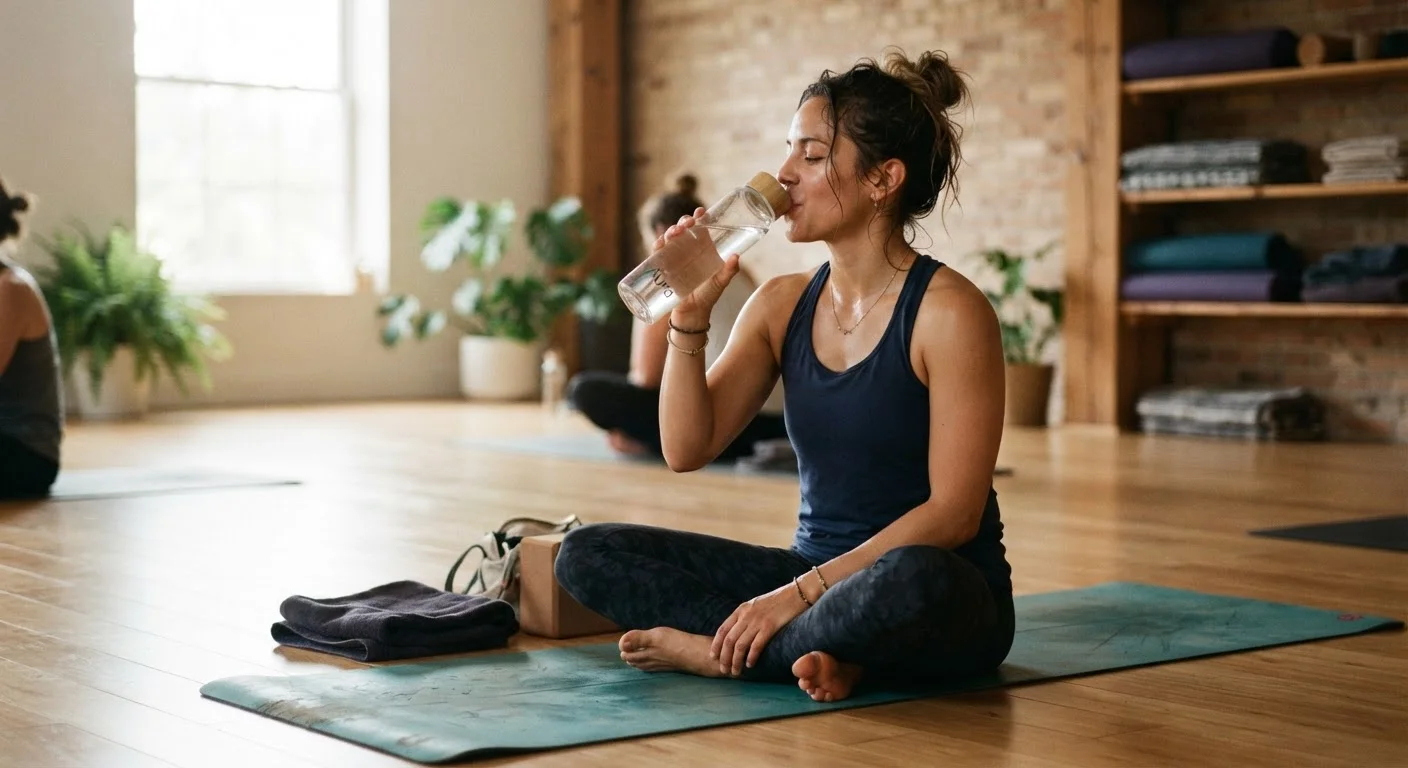
Essential for rehydrating immediately after exercise and throughout the rest of your day.
Foam Roller
Used for self-myofascial release - rolling out tight or fatigued muscles to reduce post-workout stiffness.
Workout Journal or Notes App
Helps you log soreness, energy levels, and session details so you can track recovery patterns over time.
Stretching Mat or Yoga Mat
Provides a comfortable, non-slip surface for cool-down stretches.
Resistance-Free Clothing Change
Fresh, dry clothing helps regulate temperature and supports hygiene after sweating.
Your Post-Workout Recovery Checklist
Work through these groups in order - from the immediate post-exercise window to the hours that follow. The first group should happen right after you finish; the others can be spread across the rest of your day.
Immediately After Exercise (0-10 minutes)
Within the First Hour
Later That Day
Sleep and Next-Day Readiness
For a deeper look at how different physical techniques compare, the article on foam rolling, stretching, and massage is a helpful next read. And if you're curious about what to eat and when, see nutrition timing after exercise.
Don't Confuse Soreness With Injury
Mild muscle soreness - often called DOMS (delayed onset muscle soreness) - typically appears 12-48 hours after exercise and feels like a dull ache when moving. Sharp, localized, or joint-based pain is different and should not be worked through. If pain is severe, persistent, or accompanied by swelling, seek advice from a healthcare professional before continuing to train.
Overtraining Is a Real Risk for Beginners
Enthusiasm can lead beginners to train too frequently without enough recovery time. Signs of overtraining include persistent fatigue, declining performance, disrupted sleep, and low motivation. If several of these overlap, take additional rest days and consider speaking with a fitness professional to review your schedule.
Building Recovery as a Lasting Habit
The goal is to make these steps feel automatic rather than effortful. Start by picking two or three items from the checklist that you're not currently doing and focus on those for two weeks. Once they feel routine, layer in the rest. Beginners who treat recovery as part of training - not separate from it - tend to stay consistent longer and experience fewer setbacks.
If you're just getting started with structured exercise, our beginner workouts hub has low-pressure routines designed to pair well with this recovery approach. And if you've been away from the gym for a while, read before you return to the gym after a long break before ramping up intensity.
Quality sleep is the one recovery tool that underpins everything else. For guidance on how sleep supports both physical and mental restoration, explore the sleep and recovery hub.
This article is for informational purposes only and is not medical advice. Always consult a qualified healthcare professional before beginning or modifying any exercise program, particularly if you have an existing health condition.