
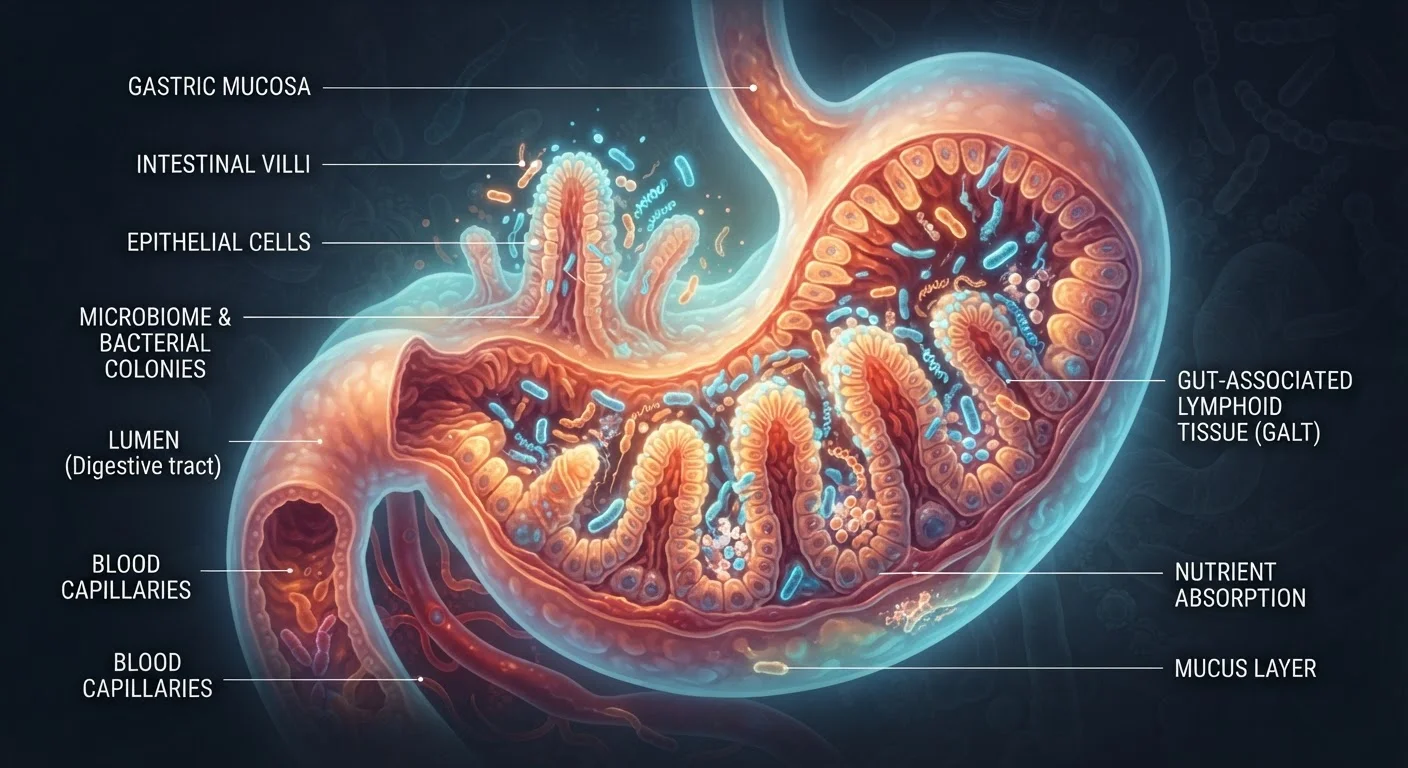
The Moment Contamination Begins
Food poisoning doesn't start when symptoms appear - it starts long before that, the moment a pathogen or toxin enters your digestive system. Common culprits include bacteria such as Salmonella, Campylobacter, E. coli, and Listeria, as well as viruses like norovirus, and parasites such as Giardia. Each operates differently inside the body.
Two broad mechanisms are at play. In a foodborne infection, live pathogens you swallow begin multiplying in your gut. In a foodborne intoxication, you've ingested toxins that bacteria already produced in the food before you ate it - meaning the microorganism itself doesn't need to be alive or present in large numbers to make you sick. This is why improperly stored cooked food can still cause illness even after reheating kills the bacteria.
It's also worth understanding that food poisoning is a distinct biological event from a food intolerance or allergy. Those reactions involve the immune system responding to food components it misidentifies as threats - not an actual invading pathogen. See our comparison of food intolerance and food allergy for a clear breakdown of those differences.
What Your Body Does Next: The Biological Response
Once pathogens or toxins reach the lining of your stomach and small intestine, your body's defenses mobilize rapidly. The gut lining contains specialized immune cells that detect microbial invaders and signal the release of inflammatory chemicals called cytokines. This inflammation is protective - it's how your body begins containing the threat - but it also drives many of the uncomfortable symptoms you experience.
48 million
Americans affected by foodborne illness annually
According to the U.S. Centers for Disease Control and Prevention (CDC), approximately 48 million cases of foodborne illness occur in the United States each year.
128,000
Annual hospitalizations from food poisoning in the U.S.
The CDC estimates that foodborne illnesses result in approximately 128,000 hospitalizations annually, underscoring the importance of recognizing severe symptoms early.
250+
Known foodborne disease-causing agents
The CDC recognizes more than 250 different foodborne diseases, caused by a wide range of bacteria, viruses, parasites, and chemical toxins.
Nausea and vomiting are triggered by signals sent from the gut and the bloodstream to the brain's vomiting center (the area postrema). The goal is expulsion - removing harmful contents from the upper digestive tract as fast as possible. Diarrhea serves a similar purpose lower in the gut: the intestinal lining secretes excess fluid, reducing the time pathogens and toxins spend in contact with the intestinal wall and flushing them out. Fever, driven by those same cytokines, raises core body temperature to create a less hospitable environment for pathogens.
For a broader view of how your immune system coordinates this response, see our guide on how your immune system responds to infection.
Why Dehydration Is the Real Danger
For most otherwise healthy adults, the acute symptoms of food poisoning resolve within 24 to 72 hours. The greater short-term risk is dehydration. Repeated vomiting and diarrhea can deplete fluids and electrolytes - particularly sodium, potassium, and chloride - faster than most people anticipate. Electrolytes are minerals that regulate nerve signals, muscle contractions, and fluid balance throughout the body.
Rehydrating Effectively During Recovery
Plain water alone may not replace electrolytes lost through vomiting and diarrhea. Oral rehydration solutions - available at most pharmacies - are specifically formulated to restore the fluid-electrolyte balance your body needs. Sip small amounts frequently rather than drinking large volumes at once, which can worsen nausea. Consult a healthcare provider if you're unable to keep fluids down for more than a few hours.
Symptoms of dehydration include dry mouth, decreased urination, dark-colored urine, dizziness, and fatigue. In severe cases, especially in young children, older adults, or those with underlying health conditions, dehydration can escalate quickly and require intravenous fluids administered in a clinical setting. If you notice any of these warning signs, contact a healthcare provider.
Cramps are another common and uncomfortable feature. In the gut, cramping results from the intestines contracting more forcefully than usual - a consequence of the inflammation and the accelerated movement of contents through the bowel. If you experience persistent or severe abdominal pain that doesn't ease between episodes, this warrants medical evaluation. Our digestive symptoms reference guide can help you interpret what different gut sensations typically signal.
Recovery and When to Seek Help
The body's cleanup phase begins as the immune system clears the pathogen and inflamed tissue begins to heal. Gut motility (the normal movement of food through the intestines) gradually normalizes, and appetite returns - though many people notice sensitivity to rich or fatty foods for a few days afterward. Bloating can persist briefly as the microbiome - the community of beneficial bacteria in your gut - restabilizes. You can read more about why this happens in our article on why bloating occurs and what it signals.
Certain symptoms should never be managed at home without professional guidance. Seek medical attention promptly if you notice blood in vomit or stool, a high fever, neurological symptoms such as blurred vision or muscle weakness, or if symptoms last longer than three days. Pregnant individuals, older adults, infants, and people with weakened immune systems should have a lower threshold for seeking care, as foodborne illness can progress more rapidly in these groups.
This article is for general informational purposes only and does not constitute medical advice. Always consult a qualified healthcare professional for personal health concerns, diagnosis, or treatment decisions.