
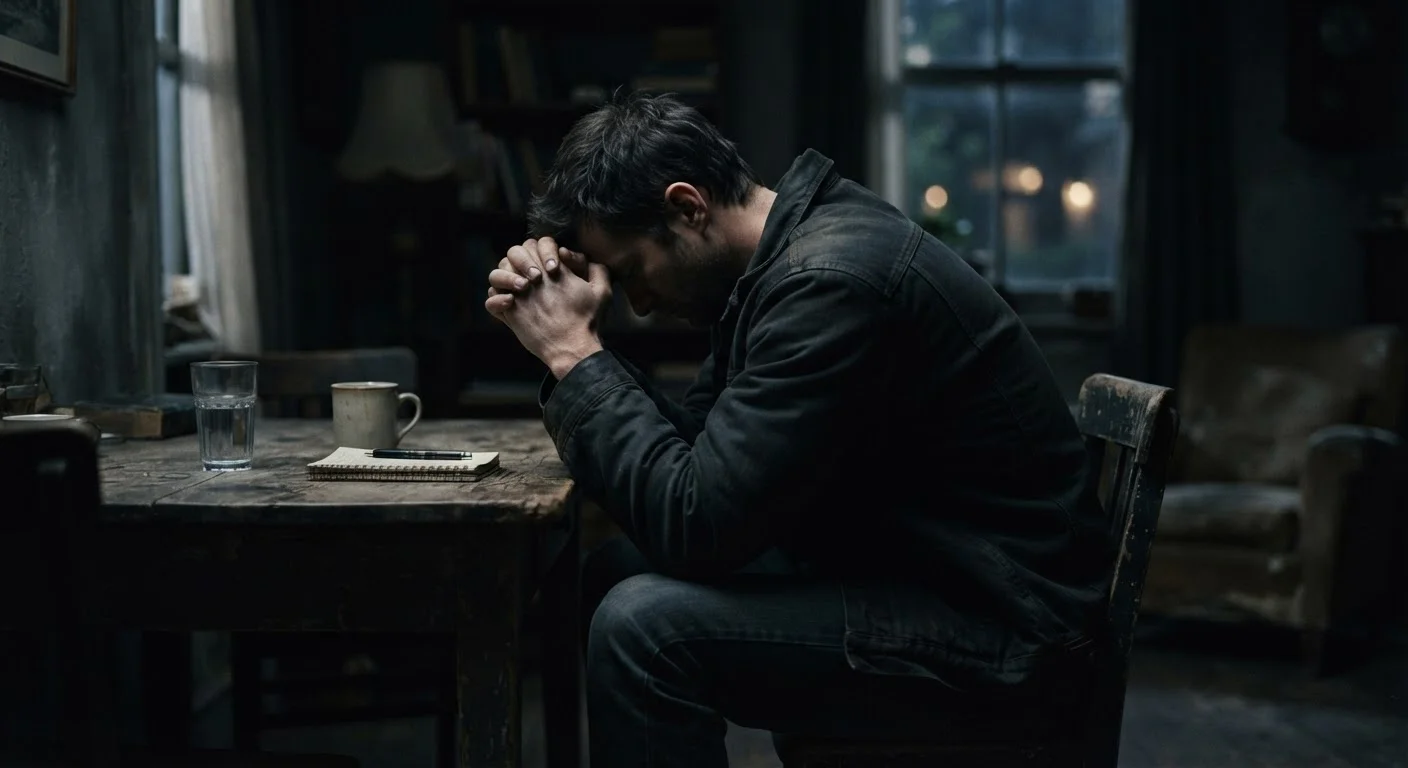
Why Anger Is Often the Loudest Emotion
For many men, anger is the emotion that comes most naturally - or at least most permissibly. It fits within a narrow set of feelings that social norms have long labeled as acceptable for men to express. Frustration, irritability, and rage rarely carry the same stigma as admitting fear, grief, or vulnerability.
But what happens to those quieter, harder emotions when they have nowhere to go? Research in emotional psychology suggests they don't simply disappear. Instead, they often resurface in a form that feels safer - and for many men, that form is anger.
This isn't a character flaw. It's a pattern shaped over years of social conditioning. As explored in our article on the emotions men are taught to suppress, bottling up feelings has measurable psychological and physical costs - and anger is frequently how that pressure escapes.
“Men are not less emotional than women - they are less practiced at identifying and expressing the full range of their emotions. Anger is often what comes out when everything else has been closed off.”
— Terrence Real, Therapist and author specializing in men's psychology and relational health
What Lies Beneath: Common Emotions That Anger Can Hide
Understanding anger as a secondary emotion means recognizing that it often appears in response to something more vulnerable underneath. Common emotions that anger can mask include:
- Grief and loss: Bereavement, divorce, or job loss can provoke intense anger, especially when sadness feels too exposing.
- Anxiety and fear: When a situation feels threatening or out of control, anger can assert dominance and temporarily relieve the sense of powerlessness.
- Shame: Feeling judged, embarrassed, or inadequate can quickly convert to defensive rage as a self-protective response.
- Depression: In men, depression frequently surfaces as irritability rather than sadness. Depression symptoms in men often go unrecognized precisely because they don't look like classic low mood.
3-4x
Higher male suicide rate vs. female rate
According to the CDC, men in the U.S. die by suicide at roughly three to four times the rate of women, underscoring the severity of unaddressed emotional distress in men.
~50%
Men with depression who go undiagnosed
Mental health researchers estimate that a significant proportion of men with depression are never diagnosed, partly because their symptoms - including anger - don't match standard diagnostic presentations.
Identifying which emotion sits beneath the anger is often the most important - and most difficult - step in addressing it.
Recognising the Signs That Anger Is a Mask
Not all anger signals an unaddressed emotional wound. But certain patterns are worth paying attention to:
- Anger that feels disproportionate to the triggering situation
- Anger that emerges repeatedly in the same types of circumstances - helplessness, criticism, perceived rejection
- Anger accompanied by withdrawal, low energy, or lack of motivation
- A persistent sense of emptiness or numbness between angry episodes
- Anger appearing during or after significant life changes
These patterns don't constitute a diagnosis - only a qualified mental health professional can make that determination. But they are signals worth reflecting on and, if persistent, discussing with a doctor or therapist.
Journaling Can Help You Identify Hidden Emotions
When anger shows up, try writing down what happened just before it - and what you were feeling in the moments prior. Over time, patterns often emerge that reveal the underlying emotion. Even a few sentences after a tense moment can build meaningful self-awareness.
What You Can Do About It
Recognizing that your anger may be carrying a heavier emotional load is itself meaningful progress. From there, several approaches can help.
Name the feeling underneath. When anger arises, pause and ask what else you might be feeling. Words like "scared," "embarrassed," "helpless," or "hurt" are worth sitting with, even if they feel uncomfortable.
Talk to someone. That doesn't require a dramatic conversation. Our guide on practical ways men can start talking about how they feel outlines low-pressure approaches for starting those conversations.
Consider professional support. Therapy - particularly cognitive behavioral therapy (CBT) - is effective at helping people trace anger back to its emotional source. This is not a sign of crisis; it's a proactive choice. For a broader starting point, see our introduction to men's mental health support.
This article is for general informational purposes only and is not a substitute for professional medical or mental health advice. If you are experiencing persistent emotional distress, please consult a qualified healthcare or mental health professional.