
Where the Silence Starts
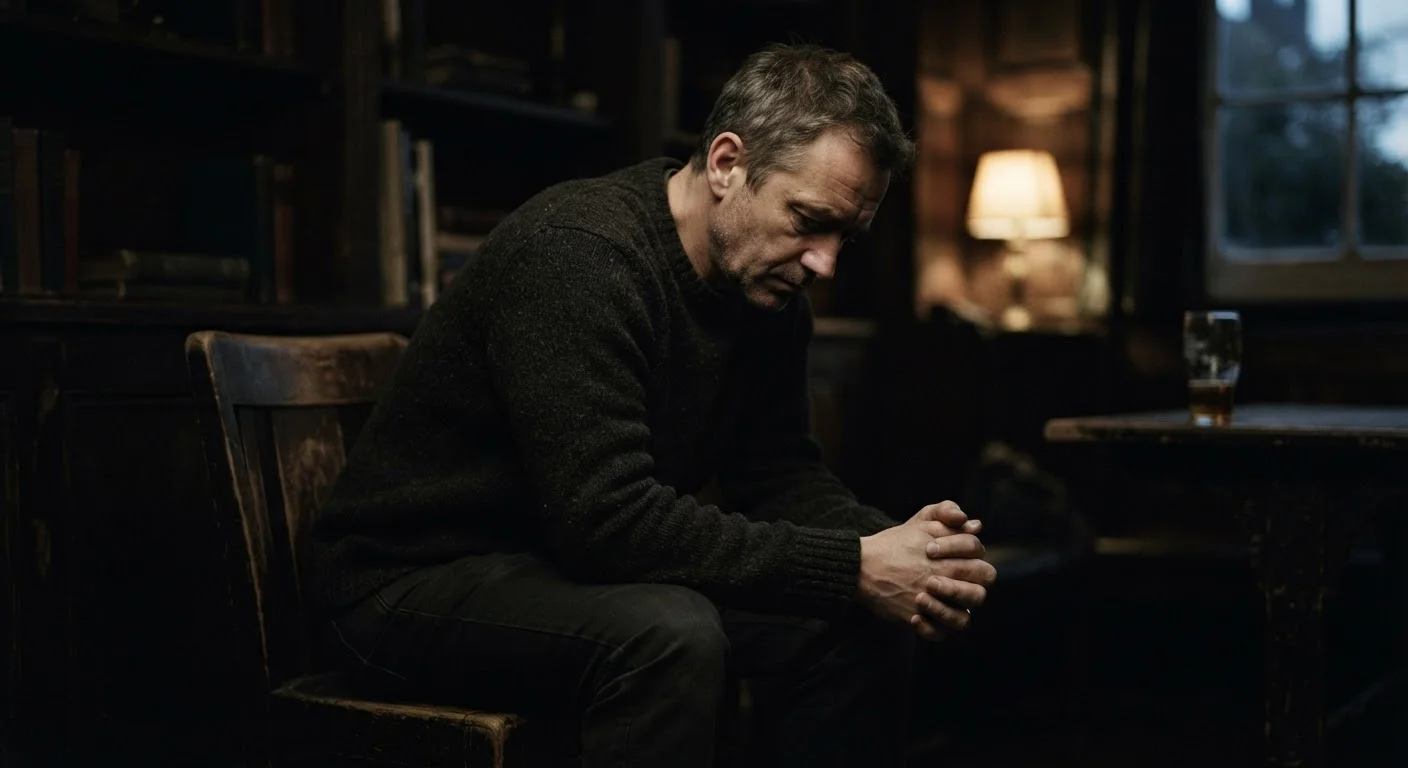
Most men don't wake up one day and decide to stop feeling. The pattern starts earlier - often in childhood, when emotional expressions like crying or admitting fear are met with correction: "Toughen up," "Boys don't cry," or simply uncomfortable silence. Over years, the lesson lands clearly: certain emotions are liabilities.
These messages aren't always explicit. They arrive through the way male characters are portrayed in media, the emotions that earn approval from peers, and the behaviors modeled by fathers and other male figures. By adulthood, many men have internalized a narrow emotional vocabulary - one that permits frustration and perhaps pride, but treats grief, loneliness, or fear as things to be managed privately, if at all.
It's worth being clear: this isn't a character flaw. It's a learned behavior shaped by a specific cultural environment. And as widely believed myths about emotions confirm, the idea that suppressing feelings is a sign of maturity doesn't hold up under scrutiny.
What Gets Lost When Emotions Go Underground
Suppressed emotions don't disappear. Research in the field of affective science suggests that when people habitually inhibit emotional expression, the underlying physiological arousal - elevated heart rate, cortisol release, muscle tension - often continues unabated. The feeling is hidden; the body's stress response is not.
3-4x
Men's suicide rate vs. women's in the U.S.
According to the CDC, men die by suicide at approximately three to four times the rate of women, a disparity researchers link in part to lower rates of help-seeking and emotional disclosure.
~40%
Men with depression who go untreated
The National Institute of Mental Health estimates that a significant proportion of men with depression never receive a diagnosis or treatment, partly because symptoms present differently and go unrecognized.
1 in 10
Men reporting daily feelings of depression or anxiety
A Mental Health America survey found roughly one in ten men reported experiencing depression or anxiety daily, yet the majority did not seek professional help.
Over time, this pattern is associated with a range of outcomes: higher rates of depression and anxiety, disrupted sleep, relationship difficulties, and in some studies, elevated cardiovascular risk. None of this is deterministic - individual biology and circumstances vary considerably - but the general picture is consistent enough to take seriously.
There's also a social cost. Men who suppress emotions frequently report feeling disconnected from close relationships, unable to communicate what they need or to receive support effectively. Ironically, the stoicism meant to signal strength can quietly erode the bonds that provide resilience. As explored in why suppressing emotions often backfires, the attempt at control can amplify the very distress it aims to contain.
Anger as the Acceptable Outlet
When nearly every emotion except anger is marked as socially off-limits, anger tends to absorb them all. Sadness, shame, grief, and fear can surface as irritability, explosiveness, or withdrawal - sometimes in ways that puzzle even the men experiencing them.
“We do men a tremendous disservice when we suggest that emotional stoicism is strength. True resilience involves the capacity to feel, not just to endure.”
— Dr. Ronald Levant, Professor Emeritus of Psychology, University of Akron; researcher on masculinity and men's mental health
This redirection isn't a personality trait; it's a structural outcome of limited emotional permission. Anger can function as a mask for anxiety, depression, or grief - and recognizing that link is often a first step toward understanding what's actually going on beneath the surface.
This matters practically. A man who identifies as "stressed" or "angry" may not recognize that he is experiencing symptoms of depression. That gap in self-awareness is one reason men are less likely to seek mental health support - the feelings don't match the template they've been given for what distress is supposed to look like.
Building a Different Relationship With Emotion
Emotional literacy - the ability to identify, name, and appropriately express feelings - is a skill, not a trait some people are born with and others aren't. Like any skill, it can be developed with practice and, often, with guidance.
Start With Naming, Not Expressing
If openly expressing emotions feels like a big leap, begin with the smaller practice of simply naming what you feel - to yourself, in writing, or in a private note. Research on "affect labeling" suggests that naming an emotion can reduce its intensity on its own. You don't need to share it with anyone to benefit from identifying it.
Starting small matters. Noticing a feeling and simply naming it internally - "I'm anxious about this," rather than pushing through as though nothing is happening - builds the habit of self-awareness over time. Journaling, structured conversations with a trusted person, or working with a therapist are all practical entry points that don't require dramatic change immediately.
It's also worth distinguishing emotional expression from emotional regulation. Emotional regulation isn't about venting every feeling or eliminating all discomfort. It's about developing a flexible, informed relationship with your inner experience - one that doesn't require constant suppression to function.
If you're experiencing persistent distress, low mood, or behavioral changes that concern you, speaking with a qualified mental health professional is the most direct step you can take. General health information like this article is a starting point, not a substitute for personalized care.
This article is for informational purposes only and does not constitute medical or mental health advice. If you have concerns about your mental health, please consult a qualified healthcare professional.