
Why Sleep and Stress Are Biologically Linked
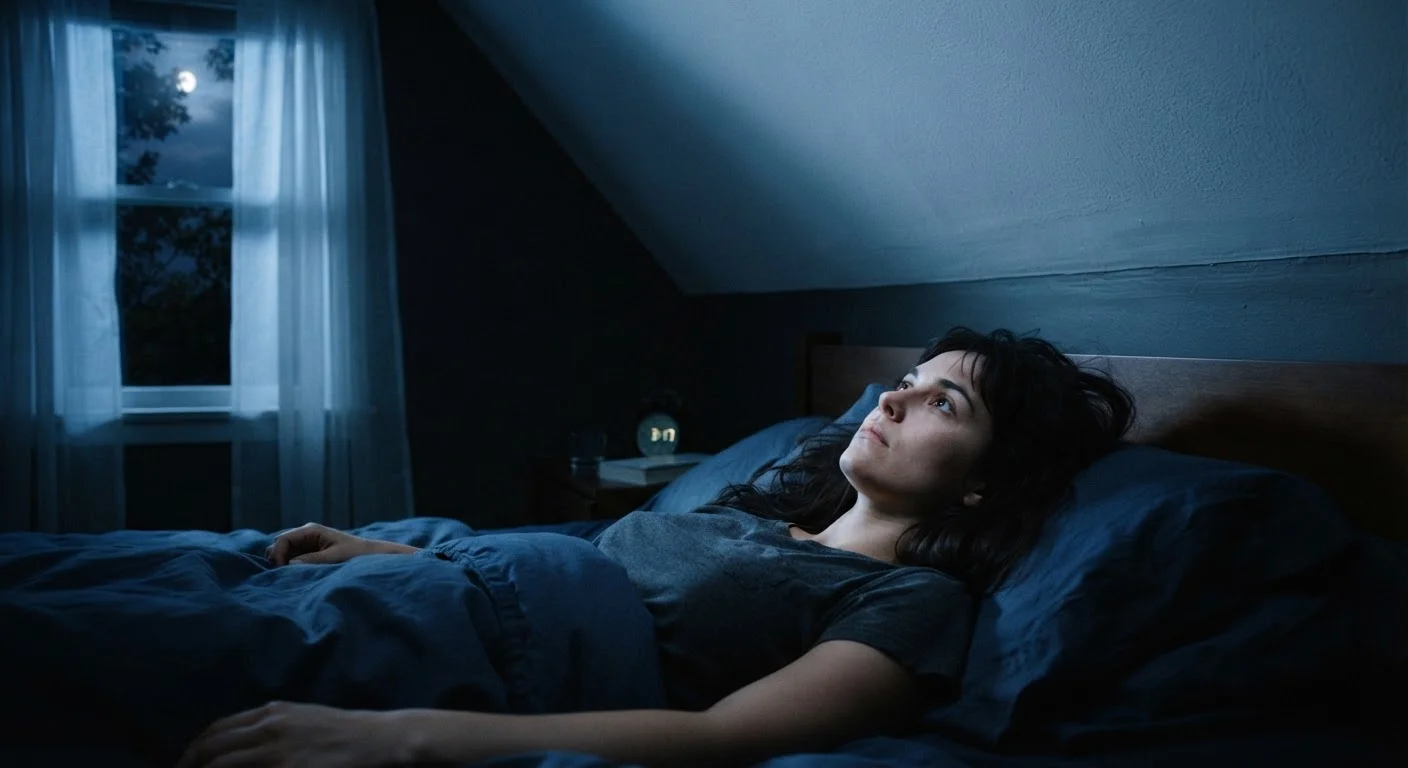
Sleep and stress share overlapping biological machinery. The primary stress system — the HPA axis — regulates the release of cortisol, a hormone that peaks in the morning to help you feel alert and tapers off toward bedtime. When stress is chronic or acute, this rhythm gets disrupted. Cortisol stays elevated into the evening, keeping the brain in a state of readiness that directly competes with the relaxation needed for sleep.
At the same time, the sympathetic nervous system — responsible for the fight-or-flight response — increases heart rate, muscle tension, and mental alertness when activated by stress. These are useful responses in genuinely dangerous situations, but they are poorly suited to a quiet bedroom at 11 p.m.
To understand how this becomes self-sustaining, see our deeper look at the physiology behind this reinforcing loop.
~1 in 3
U.S. adults not getting enough sleep
The CDC reports that approximately one-third of American adults regularly sleep less than the recommended seven hours per night.
43%
Adults whose stress worsens sleep
The American Psychological Association has reported that a significant proportion of adults say stress causes them to lie awake at night.
60%+
Improvement rate with CBT-I
Cognitive behavioral therapy for insomnia (CBT-I) is considered a first-line treatment and shows meaningful improvement in the majority of patients who complete it, according to clinical reviews.
How Each Side of the Cycle Makes the Other Worse
The feedback runs in both directions. Stress disrupts sleep — but disrupted sleep also amplifies the stress response. Studies using brain imaging have found that the amygdala, a region involved in processing threat and emotion, becomes significantly more reactive after sleep deprivation. This means that a person running on poor sleep is neurologically primed to experience more intense stress reactions.
Chronic stress also affects sleep architecture — the pattern of light, deep, and REM sleep cycles across the night. Elevated cortisol in particular suppresses slow-wave (deep) sleep, the stage most associated with physical restoration and cognitive consolidation. The result is that even when a stressed person does sleep, the quality is often reduced. They may wake more frequently or feel unrefreshed in the morning.
This connection extends to mood as well. Our guide to mood and sleep's two-way relationship explores how emotional regulation is particularly vulnerable when the cycle goes unchecked.
Evidence-Based Ways to Interrupt the Cycle
The good news is that behavioral strategies targeting either side of the cycle can produce measurable benefits on both. Here are approaches supported by research:
- Consistent sleep timing: Going to bed and waking at the same time each day strengthens the body's circadian rhythm and reduces the cognitive hyperarousal associated with stress-related insomnia.
- Pre-sleep wind-down routines: Spending 20–30 minutes before bed on low-stimulation activities — such as reading, gentle stretching, or diaphragmatic breathing — signals to the nervous system that the threat-detection mode is no longer needed.
- Cognitive restructuring: Worrying thoughts at bedtime keep cortisol elevated. Writing down tomorrow's concerns before bed (sometimes called a "brain dump") can externalize worries and reduce nighttime rumination.
- Stress management during the day: Practices like mindfulness meditation and regular moderate exercise have demonstrated reductions in HPA axis reactivity, which makes it easier for cortisol to follow its natural decline into the evening.
Start With One Change, Not Ten
When stress and sleep are both struggling, it can feel overwhelming to address everything at once. Research on behavior change suggests that focusing on a single, consistent habit — such as a fixed wake time — is more sustainable than overhauling your entire routine. Small, reliable changes tend to compound over time.
For individuals dealing with chronic stress and its broader hormonal effects, our article on how chronic stress disrupts the hormonal system provides additional physiological context.
This article is for general informational purposes only and does not constitute medical advice. If you are experiencing persistent sleep problems or chronic stress, please consult a qualified healthcare professional.