
Why Nutrition Myths Spread So Easily
Nutrition advice can feel overwhelming, especially when headlines seem to contradict each other from one week to the next. The reality is that nutrition science is complex, findings evolve, and simplified soundbites tend to travel faster than nuanced explanations. That gap between real evidence and popular belief is where myths take hold.
This article examines some of the most persistent nutrition misconceptions, explains what the evidence actually shows, and offers a clearer foundation for everyday eating decisions. For a broader look at how similar myths affect athletic performance, see our guide to fitness myths that hold beginners back.
This article is for general informational purposes only and is not a substitute for professional medical or dietary advice. Consult a registered dietitian or qualified healthcare provider for personalized guidance.
The Most Common Myths — Examined
The following myth-and-fact pairs address beliefs that regularly steer people away from sustainable, evidence-based eating. Each one is grounded in established dietary science rather than trending opinion.
Myth
Carbohydrates make you gain weight, so cutting them out is the fastest path to a healthier body.
Fact
Carbohydrates themselves are not the cause of weight gain — excess calories from any source are. Whole-food carbohydrates are a critical fuel source for the brain and muscles.
Weight change is primarily driven by the relationship between total energy intake and energy expenditure, not by any single macronutrient. Carbohydrates — particularly those found in whole grains, legumes, fruits, and vegetables — also supply fiber, vitamins, and minerals that refined alternatives do not. The USDA Dietary Guidelines for Americans consistently recommend that carbohydrates make up a substantial portion of a balanced diet. Refined and heavily processed carbohydrates (white bread, sugary drinks) are worth limiting, but that is a quality distinction, not an argument against the macronutrient as a whole.
Myth
Fat is bad for you and should be minimized as much as possible in your diet.
Fact
Dietary fat is essential for hormone production, vitamin absorption, and cell function. The type of fat — not the mere presence of fat — is what matters most for health.
Unsaturated fats found in foods like avocados, nuts, seeds, and fatty fish are associated with cardiovascular benefits, according to research reviewed by institutions including the NIH. Trans fats (largely removed from the food supply but still worth watching) and very high intakes of certain saturated fats are the fats most linked to elevated cardiovascular risk. Fat-free and low-fat products often replace fat with added sugar or starch to maintain palatability, which does not automatically make them healthier choices. Fat-soluble vitamins A, D, E, and K can only be absorbed properly when dietary fat is present.
Myth
Eating after 8 p.m. (or any fixed evening hour) will make you gain weight, regardless of what or how much you eat.
Fact
Meal timing alone does not determine whether calories are stored as fat. Total daily calorie and nutrient intake are far more influential than the clock on the wall.
The concern about late-night eating generally stems from studies linking late eating with higher overall calorie intake — people who eat late tend to snack on energy-dense foods in addition to their regular meals. The body does not have a metabolic switch that converts food into fat at a specific hour. That said, some research does suggest that eating patterns aligned with natural circadian rhythms may support metabolic health in other ways, but this is an area of emerging — not settled — science. Focusing on what and how much you eat throughout the day is a more reliable starting point than imposing a strict eating curfew.
Myth
Skipping meals — especially breakfast — is an effective strategy for losing weight.
Fact
Skipping meals can disrupt hunger signals, increase cravings, and often leads to overeating later. Evidence for skipping meals as a reliable weight-loss tool is mixed.
While some structured forms of intermittent fasting have shown modest benefits in certain research contexts, routinely skipping meals without a deliberate plan tends to backfire for most people. Hunger hormones like ghrelin rise when meals are delayed, making it harder to make calm, measured food choices later in the day. Breakfast specifically has a complex evidence base — whether skipping it helps or harms depends heavily on individual context, activity levels, and what replaces those calories. Rather than skipping meals, focusing on balanced, satisfying meals that include protein, fiber, and healthy fats tends to support stable energy and hunger regulation.
Myth
You need expensive protein supplements to build muscle and meet your protein needs.
Fact
Most people can meet their protein requirements through whole-food sources such as eggs, legumes, dairy, poultry, fish, and meat — no powders required.
Protein supplements are convenient but not necessary for the majority of healthy adults. Whole-food protein sources also deliver additional nutrients — iron, zinc, B vitamins, calcium — that isolated protein powders do not. Supplements may offer a practical shorthand for athletes with very high protein targets or for people with dietary restrictions, but they are not a superior source of protein. Anyone considering adding supplements to their diet should discuss their specific needs with a registered dietitian rather than assuming more protein is always better. Excessive protein intake does not automatically translate to more muscle and may place added strain on the kidneys in some populations.
These patterns show up across many audiences. If you're curious how specific myths affect different groups, our articles on women's diet myths and nutrition myths that trip up men explore the same themes through targeted lenses.
Building Eating Habits on Solid Ground
Correcting myths is only half the work — the other half is replacing them with practical principles. A few evidence-backed starting points:
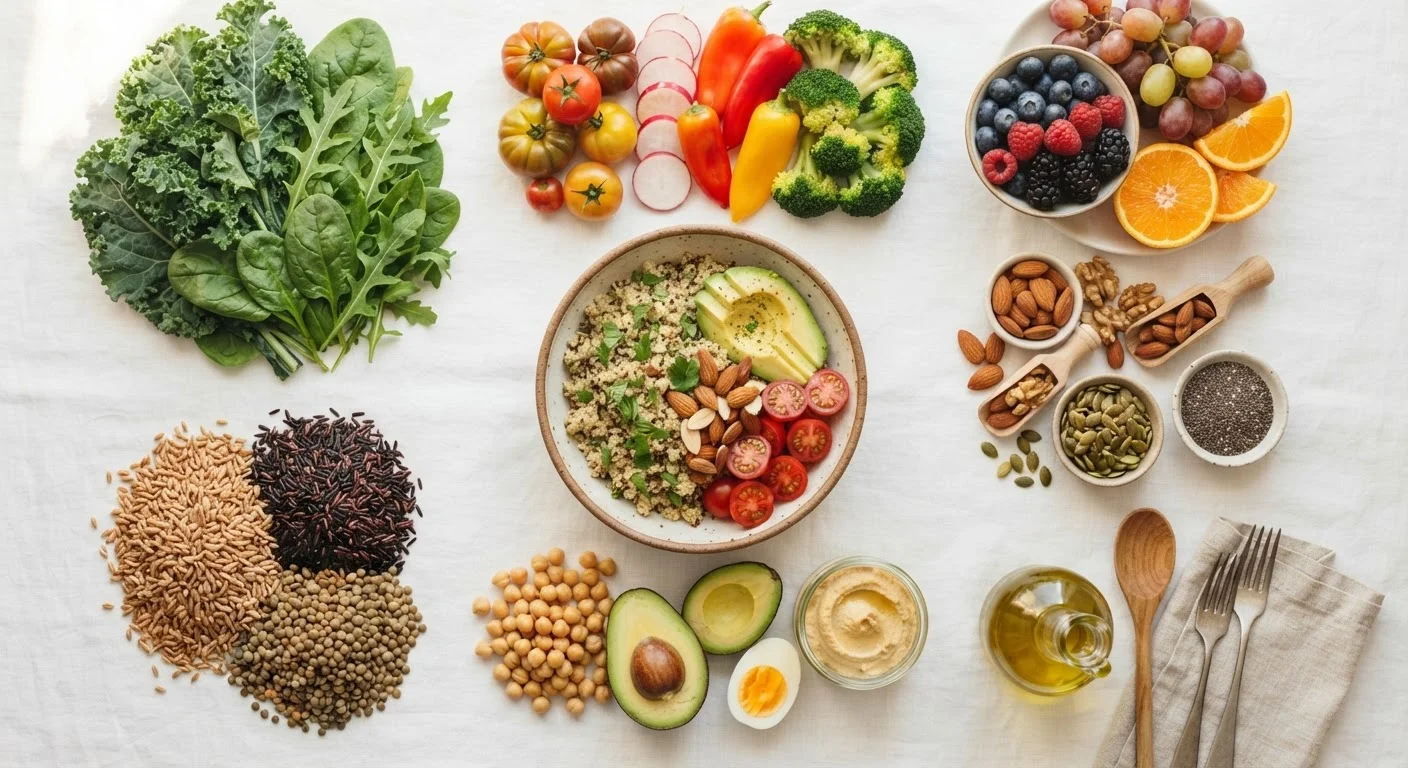
- Prioritize variety: No single food or food group supplies everything the body needs. Eating a wide range of vegetables, fruits, whole grains, legumes, lean proteins, and healthy fats reduces the risk of nutrient gaps.
- Watch portions, not just ingredients: Overall energy intake relative to energy expenditure drives body weight changes. Demonizing one macronutrient — carbs, fat, or protein — distracts from this fundamental balance.
- Be skeptical of elimination claims: Diets that require cutting out entire food groups usually lack long-term evidence for most healthy adults. Sustainable eating patterns are ones people can actually maintain.
80%+
Adults who have tried a fad diet
Survey data from health behavior research consistently finds the majority of U.S. adults report attempting a restrictive or fad diet at least once in their lifetime.
45–65%
Recommended carbohydrate share of daily calories
According to the USDA Dietary Guidelines for Americans, carbohydrates should represent 45–65% of total daily calorie intake for most healthy adults.
For a deeper dive into how essential nutrients are often misunderstood, our companion piece on nutrition myths about essential nutrients covers related ground in more detail.