
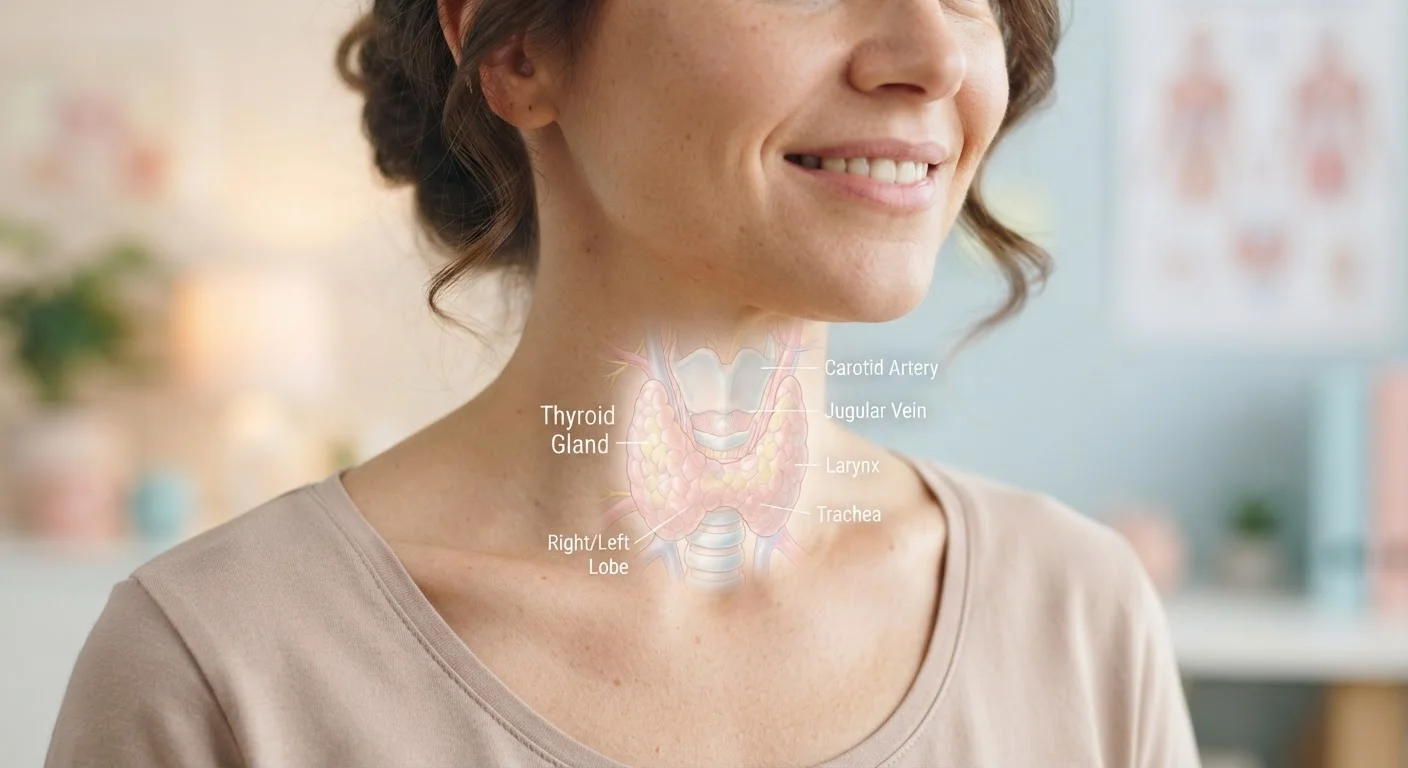
More Than a Metabolism Switch
Most people have heard that the thyroid controls metabolism — but that single association barely scratches the surface. The thyroid gland produces hormones that regulate how quickly your cells convert nutrients into energy, how your heart beats, how your body handles heat and cold, and even how clearly you think. When it's working well, you may never notice it. When it isn't, the ripple effects can be profound and puzzling.
For women, this matters even more because thyroid hormones don't operate in isolation. They interact directly with the reproductive hormone system — influencing estrogen, progesterone, and the menstrual cycle in ways that can make thyroid dysfunction difficult to separate from other hormonal concerns. Understanding this connection is a meaningful step toward making sense of symptoms that might otherwise be dismissed or misattributed.
Thyroid Conditions Are Highly Treatable
Both hypothyroidism and hyperthyroidism are well-understood medical conditions with established treatment options. A diagnosis is not a cause for alarm — but it does require working with a qualified healthcare provider to determine the right approach for your individual situation. Self-diagnosing or self-treating based on symptoms alone is not recommended.
Why Thyroid Disorders Show Up More Often in Women
Thyroid conditions are significantly more common in women than in men. According to the American Thyroid Association, women are five to eight times more likely than men to develop a thyroid disorder. The most prevalent thyroid conditions — Hashimoto's thyroiditis (an underactive thyroid driven by autoimmune activity) and Graves' disease (an autoimmune cause of overactive thyroid) — are predominantly seen in women.
Researchers believe estrogen and immune system interactions play a role in this disparity, though the exact mechanisms are still being studied. Thyroid disorders also tend to emerge during hormonally significant life stages: puberty, pregnancy, postpartum, perimenopause, and menopause. This timing is not coincidental — shifts in reproductive hormones appear to influence thyroid vulnerability.
5–8x
Women's higher risk of thyroid disorders vs. men
According to the American Thyroid Association, women are five to eight times more likely than men to develop a thyroid condition during their lifetime.
~20 million
Americans living with some form of thyroid disease
The American Thyroid Association estimates that approximately 20 million Americans have some form of thyroid disease, with up to 60% unaware of their condition.
1 in 8
Women affected by thyroid disorder in their lifetime
The American Thyroid Association reports that one in eight women will develop a thyroid disorder during her lifetime.
The Hormonal Feedback Loop: Where Thyroid Meets Reproductive Health
Thyroid hormones and sex hormones are deeply intertwined. Thyroid hormone receptors exist in ovarian tissue, and thyroid function affects how the liver metabolizes estrogen — influencing how much active estrogen circulates in the body. Conversely, elevated estrogen (as seen in pregnancy or with certain contraceptives) can raise levels of a protein called thyroxine-binding globulin, which affects the availability of thyroid hormones.
An underactive thyroid (hypothyroidism) can disrupt ovulation and cause irregular, heavy, or painful periods. It may also elevate levels of prolactin, a hormone that — when out of balance — can further interfere with the menstrual cycle. An overactive thyroid (hyperthyroidism) tends to produce the opposite: lighter, less frequent periods, along with symptoms like rapid heart rate, anxiety, and unintended weight loss.
For a broader picture of how individual hormones shape a woman's well-being, understanding the distinct roles of estrogen, progesterone, and testosterone can provide helpful context alongside thyroid health.
“The thyroid gland is often the missing piece in conversations about women's hormonal health. It influences the reproductive axis in ways that are frequently underappreciated in clinical practice.”
— Dr. Aviva Romm, Integrative physician and author specializing in women's health
Recognizing Symptoms — and Why They're Easy to Miss
One reason thyroid dysfunction is frequently overlooked is that its symptoms overlap so heavily with other conditions — and with the general experience of being a busy, stressed adult. Fatigue, weight fluctuations, brain fog, hair thinning, mood changes, and disrupted sleep are all possible signs of thyroid imbalance, but they're also common symptoms of stress, iron deficiency, perimenopause, and depression.
Hypothyroidism tends to present with slowing: fatigue, weight gain, constipation, feeling cold, low mood, and sluggish thinking. Hyperthyroidism tends to present with acceleration: anxiety, rapid heartbeat, weight loss despite a good appetite, heat intolerance, and disrupted sleep. Neither picture is universal, and some people experience minimal symptoms even with significant thyroid dysfunction — which is why testing matters.
If you're also noticing that your sleep quality has worsened alongside other symptoms, it's worth knowing that thyroid function and sleep are mutually influential. The relationship between sleep and hormonal health is explored in more depth in our dedicated article on the topic.
When to Ask Your Doctor About Thyroid Testing
If you're experiencing persistent fatigue, unexplained weight changes, irregular periods, hair loss, or mood shifts that feel out of proportion to your circumstances, it's worth asking your healthcare provider about a TSH blood test. Thyroid screening is simple, and identifying a dysfunction early makes management significantly more straightforward. Don't wait for symptoms to become severe before raising the question.
Thyroid Health and Pregnancy: A Critical Connection
During pregnancy, the demands placed on the thyroid increase substantially. Adequate thyroid hormone is essential for fetal neurological development — particularly in the first trimester, before the baby's own thyroid is functional. Unmanaged hypothyroidism during pregnancy has been associated with complications including miscarriage and developmental concerns, which is why many providers screen for thyroid dysfunction early in prenatal care.
Postpartum thyroiditis — a temporary inflammation of the thyroid that occurs in some women after delivery — can cause swings between hypothyroid and hyperthyroid symptoms in the months following birth, and is sometimes mistaken for postpartum depression or general exhaustion. If you're pregnant or planning to conceive, discussing thyroid health with your OB-GYN or midwife is an important and often overlooked conversation. For a broader look at how hormones shift during pregnancy, see hormonal health during pregnancy: what changes and why it matters.
This article is for general informational and educational purposes only and is not a substitute for professional medical advice, diagnosis, or treatment. Always consult a qualified healthcare provider with any questions you may have about a medical condition.