
Understanding the Two Numbers
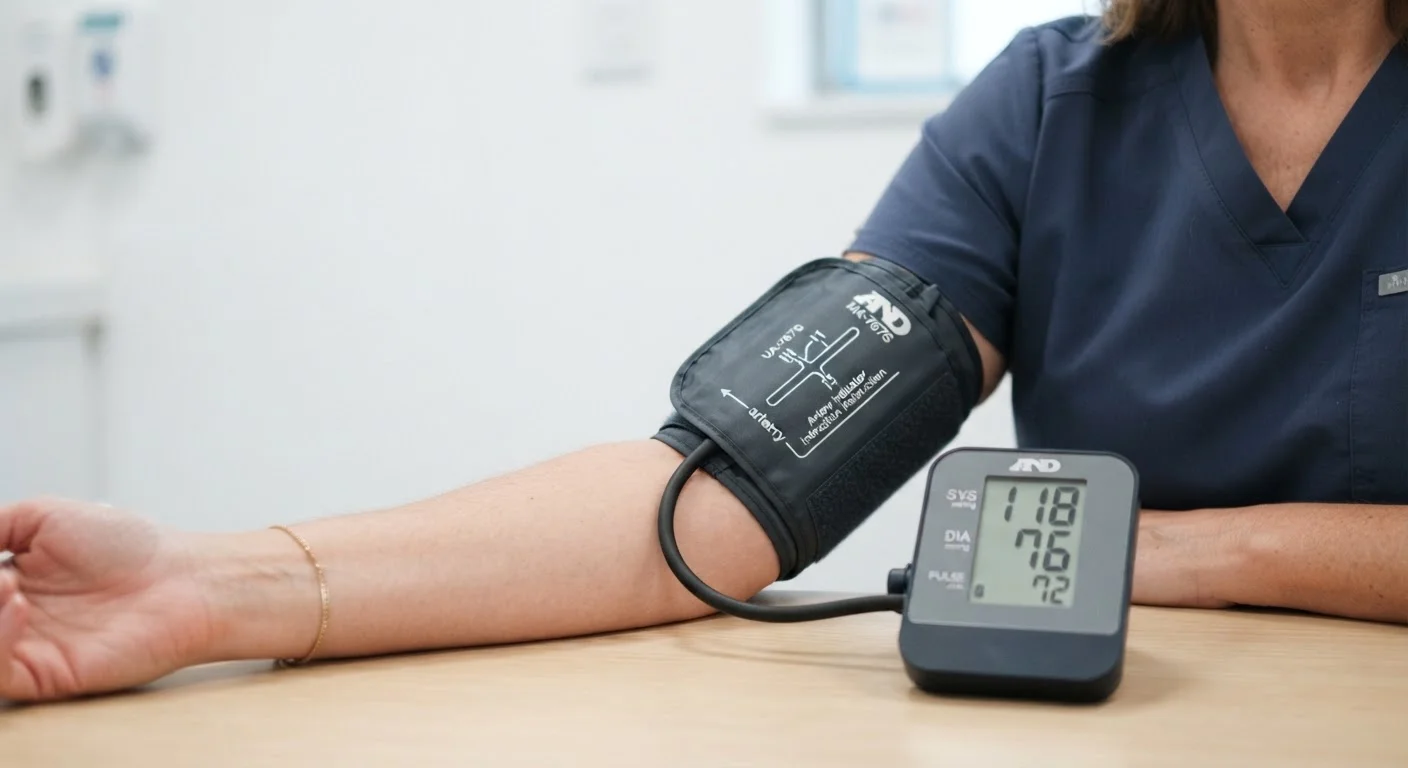
Every blood pressure reading consists of two figures, and both carry important information. The systolic number (top) reflects the pressure in your arteries when your heart contracts and pumps blood. The diastolic number (bottom) captures the pressure when your heart rests between beats.
Current guidelines from the American Heart Association classify blood pressure into four categories:
- Normal: below 120/80 mmHg
- Elevated: systolic 120-129, diastolic below 80
- Stage 1 hypertension: 130-139/80-89 mmHg
- Stage 2 hypertension: 140/90 mmHg or higher
A single elevated reading does not automatically mean you have hypertension. Blood pressure fluctuates naturally throughout the day. Clinicians typically look for consistently high readings across multiple measurements before making a diagnosis.
47%
U.S. adults living with hypertension
According to the Centers for Disease Control and Prevention (CDC), nearly half of American adults meet the current criteria for high blood pressure.
1 in 5
Adults unaware they have hypertension
The CDC estimates that about one in five adults with hypertension does not know they have the condition, underscoring its symptom-free nature.
$131B+
Annual U.S. cost of hypertension
The American Heart Association has estimated direct and indirect costs of high blood pressure in the United States at over $131 billion annually.
Why High Blood Pressure Is Dangerous
The cardiovascular system is built to withstand normal pressure ranges. When pressure stays elevated over months or years, the arterial walls endure repeated mechanical stress. This gradually damages the vessel lining, promotes the buildup of fatty deposits (atherosclerosis), and forces the heart to work harder than it should.
The downstream consequences are significant. Hypertension is a leading modifiable risk factor for heart attack, stroke, heart failure, chronic kidney disease, and vision loss. To understand how these risks intersect with broader cardiovascular misconceptions, see our article on heart disease myths.
Because there are usually no pain signals or obvious symptoms, organ damage can accumulate silently over years. This is precisely why routine screening matters - not because you feel unwell, but because the condition can progress whether or not you notice it.
“High blood pressure is a major preventable cause of premature death worldwide. The good news is that it can be detected easily and is usually controllable with lifestyle changes or medication.”
— World Health Organization, Global public health authority on hypertension
Lifestyle Factors That Influence Blood Pressure
Blood pressure is not fixed. A range of everyday behaviors measurably affect it, for better or worse.
- Sodium intake: Excess dietary sodium causes the body to retain fluid, which raises blood pressure. Learning to read food labels for sodium content is a practical first step - our guides on reading nutrition labels and decoding food labels for men offer useful starting points.
- Physical activity: Regular moderate exercise strengthens the heart muscle, allowing it to pump more efficiently at lower pressure.
- Body weight: Excess body weight increases the workload on the cardiovascular system. Even modest weight reduction can produce meaningful blood pressure improvements in some individuals.
- Alcohol consumption: Drinking above moderate levels is associated with higher blood pressure readings.
- Stress: Chronic stress activates the body's fight-or-flight response, temporarily spiking blood pressure and - over time - potentially contributing to sustained elevation. See our explainer on what stress does to the body for the underlying biology.
Make Blood Pressure Monitoring a Habit
Home blood pressure monitors are widely available and can help you track trends between medical appointments. For the most reliable readings, sit quietly for five minutes before measuring, keep your arm at heart level, and take two or three readings a couple of minutes apart. Share a log of your readings with your healthcare provider at each visit.
This article is for informational purposes only and is not a substitute for professional medical advice, diagnosis, or treatment. Always consult a qualified healthcare provider with any questions about your health or blood pressure management.