
Why Nutrition Labels Exist — and What They're Actually Telling You
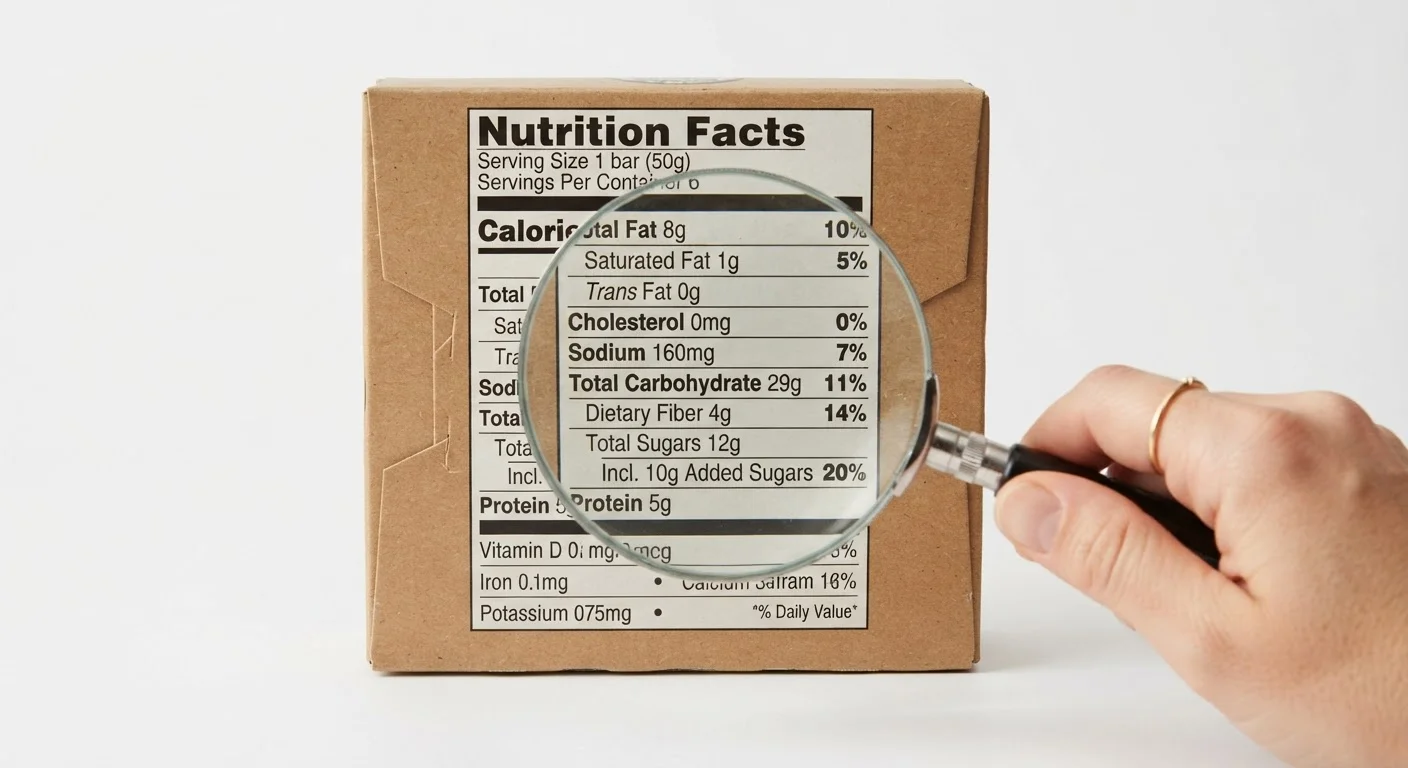
The Nutrition Facts panel is a standardized tool regulated by the U.S. Food and Drug Administration (FDA). Its purpose is straightforward: give consumers consistent, comparable information about what a food product contains. Yet many people scan past it or find it confusing.
To understand a label, it helps to first understand what nutrients are and why they matter. If you're new to this, the difference between macronutrients and micronutrients is a useful starting point. In short: macronutrients (carbohydrates, protein, and fat) supply the energy your body runs on, while micronutrients (vitamins and minerals) support hundreds of biological processes without contributing significant calories. For a full breakdown of all six essential nutrient groups, see our guide to the six essential nutrient categories.
Reading a label through the lens of these nutrient categories — rather than just looking at calorie counts — gives you a far richer picture of what a food is actually doing for (or against) your body.
What you will need
Step-by-Step: Decoding the Label From Top to Bottom
Nutrition labels follow a consistent layout. Working through them in order prevents the most common mistakes beginners make — like misreading a day's worth of sodium as applying to just one handful of chips.
Start with Serving Size
Every number on the label — calories, grams of fat, milligrams of sodium — applies to one serving, not the entire package. The serving size is listed at the very top in bold, along with the number of servings per container.
If a bag of crackers lists 150 calories per serving and contains 3 servings, eating the whole bag means consuming 450 calories. This single detail catches most beginners off guard.
Note Total Calories
Calories measure the total energy a serving provides from all three macronutrients combined: fat (9 calories per gram), carbohydrates (4 calories per gram), and protein (4 calories per gram). Calorie needs vary significantly by age, sex, activity level, and health status — no single number fits everyone.
Use calories as context, not a verdict. A food high in calories can still be nutritionally dense; a food low in calories can still be nutritionally sparse.
Evaluate the Macronutrients: Fat, Carbohydrates, and Protein
Below calories, labels break down the three macronutrients:
- Total Fat — Further divided into saturated fat and trans fat. Saturated fat is listed because high intake is associated with elevated LDL cholesterol. Trans fat should ideally be 0 g. Unsaturated fats, while not separately labeled, are generally the remainder.
- Total Carbohydrate — Broken into dietary fiber and total sugars (with added sugars shown separately). Fiber supports digestive health; added sugars contribute calories with minimal nutritional benefit. The American Heart Association recommends limiting added sugars.
- Protein — Essential for muscle maintenance, immune function, and enzyme production. Labels show total grams but do not always include a %DV for protein unless the product makes a protein-related claim.
Check Key Micronutrients: Sodium, Vitamins, and Minerals
Below macronutrients, labels are required to list sodium, vitamin D, calcium, iron, and potassium — nutrients the FDA identified as most relevant to U.S. public health. Sodium is flagged because most Americans consume well above the recommended limit of 2,300 mg per day, which is linked to elevated blood pressure. If managing blood pressure is a concern for you, see our article on understanding blood pressure numbers and risks.
Vitamin D, calcium, iron, and potassium are highlighted because many Americans fall short of adequate intake. Labels may also voluntarily include other vitamins and minerals.
Use % Daily Value (%DV) as Your Compass
The % Daily Value column is one of the most powerful yet underused tools on the label. It tells you what percentage of the recommended daily amount for each nutrient one serving provides, based on a standard 2,000-calorie diet.
The FDA's guidance is simple:
- 5% DV or less = low in that nutrient
- 20% DV or more = high in that nutrient
Use %DV to compare similar products, or to quickly assess whether a food is contributing meaningfully to your daily needs for beneficial nutrients (fiber, calcium, iron) or pushing you over limits for nutrients to moderate (sodium, saturated fat, added sugars).
Put the Label in the Context of Your Whole Diet
No single food makes or breaks a healthy diet. A label tells you what's in one product — it doesn't account for everything else you eat in a day. The goal is a pattern of eating that consistently provides adequate amounts of all essential nutrients without chronically exceeding limits on sodium, saturated fat, and added sugars.
If you want to apply this knowledge at the meal level, our guide to building a nutritionally complete meal offers practical next steps.
Use Labels to Compare, Not Just Evaluate
One of the best uses of a nutrition label is side-by-side comparison. Hold two similar products next to each other and check %DV for sodium, fiber, and added sugars. Small differences in formulation can add up meaningfully over time when you're eating a food regularly. This approach takes less than a minute and requires no nutritional expertise.
Once you're confident reading food labels, the skills translate directly to supplement panels, though those come with their own conventions. Our supplement label literacy guide walks you through that next layer.
This article is for general informational purposes only and does not constitute medical or dietary advice. Consult a qualified healthcare professional or registered dietitian for guidance tailored to your individual health needs.