
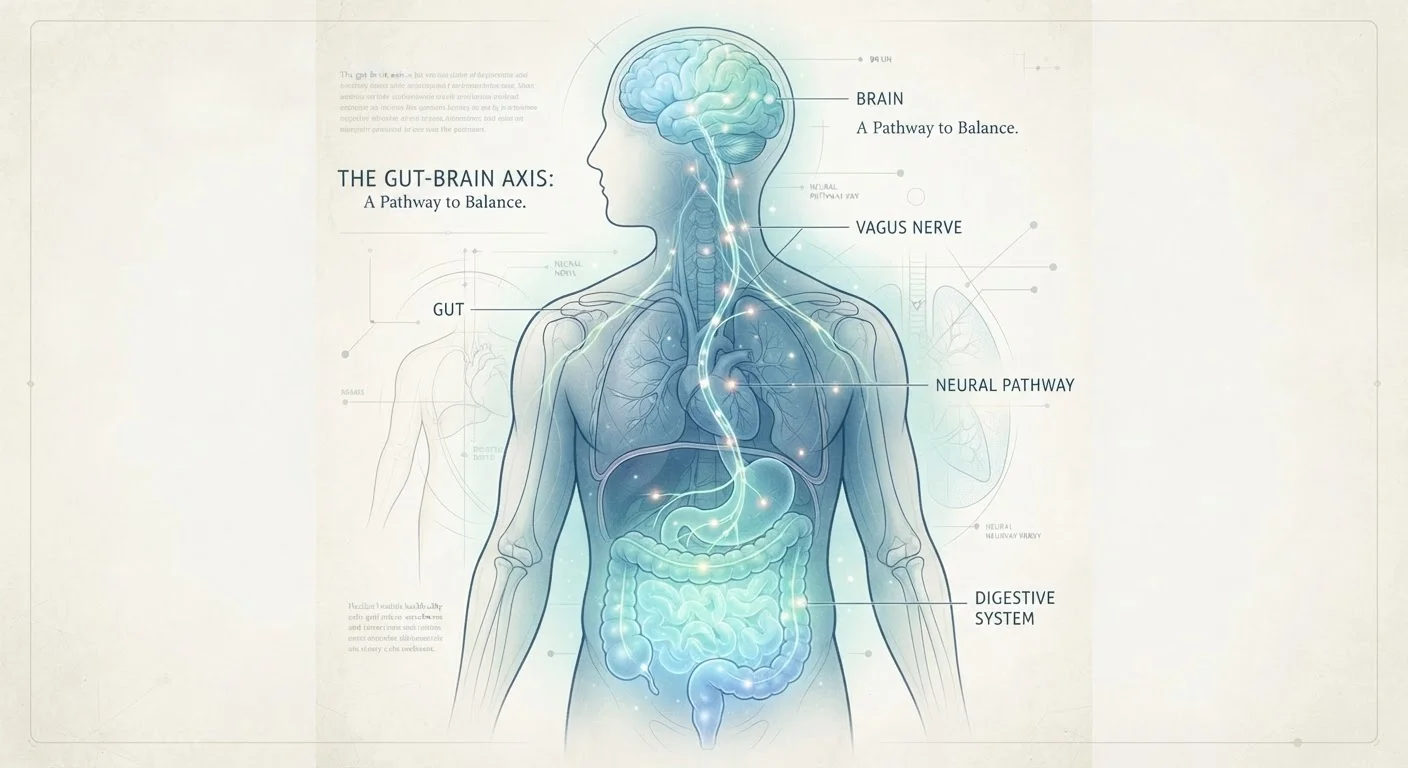
The Gut-Brain Axis: Why Stress Hits the Stomach
When you feel anxious before a big presentation or notice your stomach tightening during a difficult conversation, that's not coincidence - it's biology. Your brain and digestive system are in constant two-way communication through a network called the gut-brain axis. This pathway involves the nervous system, immune signals, and hormones, and it means that emotional states can have very real physical effects on digestion.
At the center of this connection is the enteric nervous system - sometimes called the "second brain" - a complex web of neurons lining your gastrointestinal tract. It works semi-independently but stays in close contact with the central brain, largely via the vagus nerve. When stress signals travel this highway, the gut responds. To understand how, it helps to look at what stress hormones actually do inside your digestive tract.
For a broader look at how stress ripples through body systems, see our article on how chronic stress disrupts the hormonal system.
“The gut is exquisitely sensitive to emotions. Fear, anger, sadness, and excitement can all trigger symptoms in the gut - and that connection runs in both directions.”
— Emeran Mayer, Gastroenterologist and author of research on the gut-brain axis
What Stress Hormones Do to Digestion
When your brain perceives a stressor - whether physical danger or a looming deadline - it activates the fight-or-flight response, releasing hormones including adrenaline (epinephrine) and cortisol. These hormones prepare the body to act fast, which means redirecting blood flow away from non-urgent systems, including the digestive tract.
The immediate effect on the gut can include:
- Altered motility: Stress can accelerate or decelerate the movement of food and waste through the intestines. Acute stress often speeds things up (contributing to diarrhea), while chronic stress may slow motility (contributing to constipation or bloating).
- Increased gut permeability: Prolonged stress may weaken the gut lining, sometimes described informally as making the gut "leakier," which can allow bacterial products to enter the bloodstream and trigger low-grade inflammation.
- Reduced digestive enzyme output: Stress can suppress the secretion of digestive juices, making it harder for the body to efficiently break down food.
~500M
Neurons in the enteric nervous system
The enteric nervous system contains roughly 500 million neurons, comparable in complexity to the spinal cord, according to estimates from gastroenterology research literature.
Up to 60%
Of IBS patients report stress as a symptom trigger
Multiple gastroenterology studies and clinical reviews have noted that a substantial majority of people with IBS identify psychological stress as a key factor in symptom onset or worsening.
2-Way
Direction of gut-brain communication
Research shows signals travel both from the brain to the gut and from the gut back to the brain, meaning gut health can influence mood and stress perception, not just the reverse.
These changes are the body's short-term survival trade-off - but when stress becomes chronic, the repeated activation of this response takes a cumulative toll on the digestive system.
The Microbiome Under Pressure
One of the more striking areas of gut-stress research involves the gut microbiome - the vast community of bacteria, fungi, and other microorganisms living in your intestines. A healthy, diverse microbiome supports digestion, immune function, and even mood regulation. Chronic stress appears to disturb this balance.
Animal studies and growing human research suggest that sustained psychological stress can reduce the relative abundance of beneficial bacterial species such as Lactobacillus, while allowing potentially harmful bacteria to gain ground. This shift is associated with increased intestinal inflammation and a weaker gut barrier.
Supporting Your Microbiome During Stressful Periods
While managing stress itself is the primary lever, some evidence suggests that a diet rich in fiber, fermented foods, and varied plant sources may help maintain microbiome diversity during challenging times. These are general dietary principles - speak with a registered dietitian or your doctor before making significant changes, especially if you have existing digestive conditions.
It's a two-way relationship: just as stress can disrupt the microbiome, changes in the microbiome may amplify the stress response itself. Understanding this bidirectional link is central to the emerging field of the gut-brain connection and what it means for everyday wellbeing.
Recognizing When Stress Is Affecting Your Gut
Stress-related digestive symptoms can be easy to dismiss or attribute to food choices alone. Common signs that stress may be playing a role include recurring bloating, unexplained cramping, alternating diarrhea and constipation, nausea before stressful events, or a general sense of digestive discomfort that seems tied to life pressures rather than specific meals.
These symptoms overlap with several recognized conditions - including irritable bowel syndrome (IBS) and functional dyspepsia (persistent indigestion without a structural cause) - which are both strongly associated with psychological stress. This doesn't mean the symptoms are "all in your head"; the physical processes are very real.
Stress also shows up in less obvious physical ways beyond the gut. Our overview of ways stress shows up that aren't obviously emotional can help you recognize the fuller picture. Additionally, certain everyday behaviors compound the problem - see habits that quietly undermine digestive health for context.
This article is for general informational purposes only and does not constitute medical advice. If you are experiencing persistent or severe digestive symptoms, please consult a qualified healthcare professional for personal evaluation and guidance.