
What Sleep Hygiene Actually Means
The term sleep hygiene refers to the collection of daily behaviors, routines, and environmental conditions that set the stage for consistent, restorative sleep. It's not about perfection - it's about reducing the obstacles that keep your nervous system on alert when it should be winding down.
Poor sleep isn't just a physical inconvenience. As explored in our overview of sleep as a mental health tool, quality rest actively supports emotional regulation and stress resilience. Sleep hygiene is the practical foundation that makes that rest possible.
This article is general health information and is not a substitute for advice from a qualified healthcare professional. If you're experiencing significant or persistent sleep difficulties, please speak with your doctor.
The Core Practices That Make the Biggest Difference
Research from sleep medicine consistently points to a handful of behaviors that have an outsized impact on sleep quality. These aren't quick fixes - they're habits that build on each other over days and weeks.
Keep your sleep and wake times consistent - including weekends.
Your body runs on a roughly 24-hour internal clock called the circadian rhythm. Irregular schedules fragment this rhythm, making it harder to fall asleep, stay asleep, and wake feeling refreshed. Consistency anchors the clock so your brain begins producing sleep-promoting hormones at the right time.
Get bright light exposure within an hour of waking up.
Morning light is the single strongest external signal that resets your circadian rhythm each day. It suppresses residual melatonin (the sleep hormone) and starts a biological countdown that triggers melatonin production again roughly 14-16 hours later - right around when you want to feel sleepy.
Limit screen use and bright overhead lights in the hour before bed.
Blue-spectrum light from phones, tablets, and televisions signals your brain that it's still daytime, suppressing melatonin production and delaying sleep onset. Dimmer, warmer light in the evening supports the natural hormonal shift toward sleep.
Stop caffeine intake at least six hours before your target bedtime.
Caffeine works by blocking adenosine receptors - adenosine is the chemical that builds sleep pressure throughout the day. Its half-life is roughly five to six hours, meaning half the caffeine from a 3 p.m. coffee is still active at 9 p.m., reducing sleep depth even if you fall asleep easily.
Reserve your bed primarily for sleep.
The brain is highly responsive to contextual cues. When you work, scroll, or watch content in bed regularly, your nervous system associates the bed with alertness rather than rest - a pattern that can make falling asleep harder over time. This principle is central to cognitive behavioral approaches for insomnia.
Quick Wins You Can Start Tonight
If the full list feels overwhelming, start here. These actions require no equipment, no schedule overhaul, and no special expertise - just a willingness to try something different tonight.
For a more structured approach, our step-by-step evening wind-down framework walks you through building a full pre-sleep routine that signals your brain it's time to shift gears.
Your Environment Is Part of the Equation
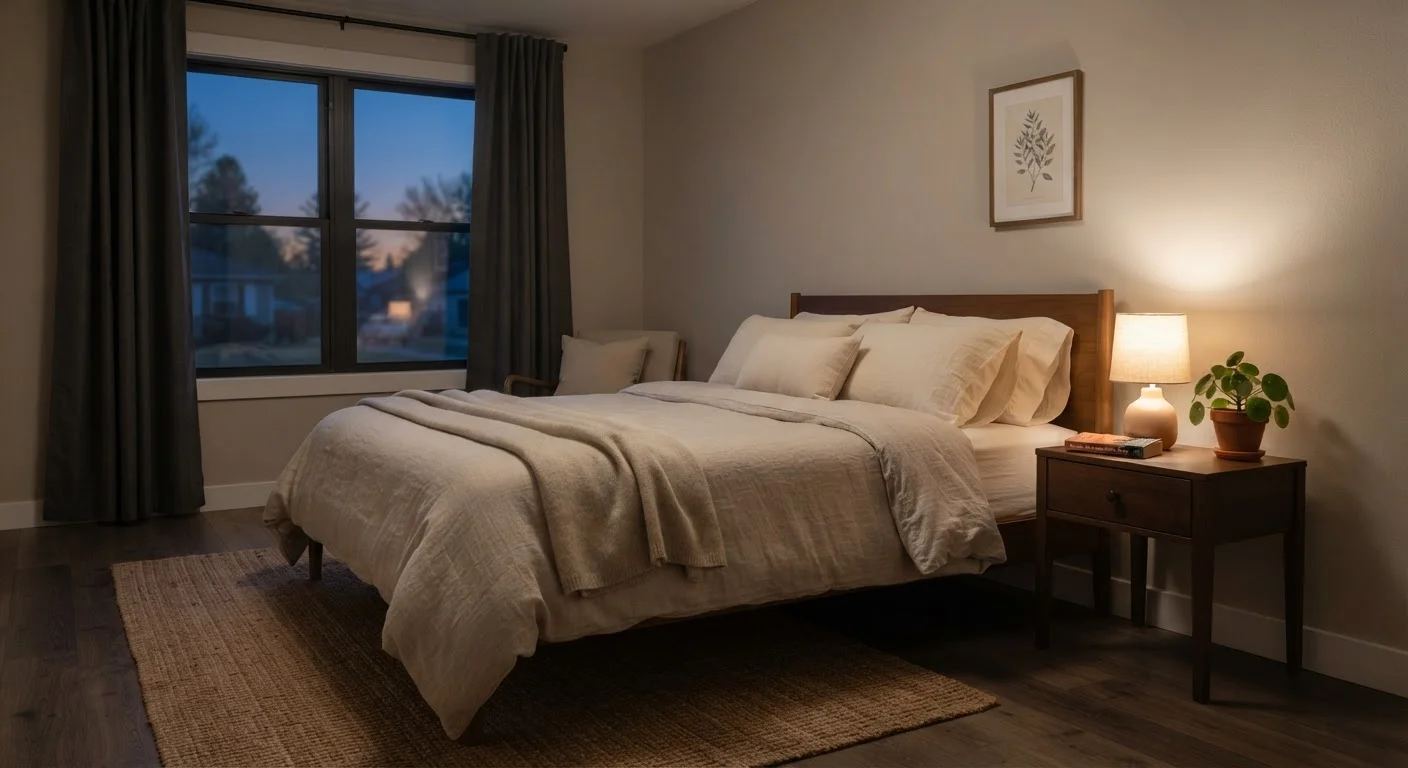
Even the best pre-sleep habits can be undermined by a bedroom that works against you. Temperature, light, and sound all influence how readily your brain transitions through the sleep stages that matter most for mental recovery - including the REM and deep sleep stages covered in this breakdown of what each stage does for your mind.
Sleep Needs Vary - and That's Normal
Most adults function best with seven to nine hours of sleep, according to guidance from major sleep medicine organizations, but individual needs differ. Age, health status, activity level, and genetics all play a role. If you're curious about how sleep needs shift across life stages, Sleep Across the Lifespan offers useful context. People with chronic health conditions, pregnant individuals, and older adults may have distinct considerations - speaking with a healthcare provider is always worthwhile if you're unsure.
Most sleep researchers suggest a bedroom temperature in the low-to-mid 60s°F (around 18°C) as a general sweet spot for most adults, though individual comfort varies. If you'd like to systematically assess your space, the Bedroom Environment Audit offers a practical checklist covering light, sound, temperature, and layout.
1 in 3
US adults not getting enough sleep regularly
According to the CDC, about one-third of US adults report regularly sleeping less than the recommended seven hours per night.
~5-6 hrs
Caffeine half-life in the average adult
Pharmacological research indicates caffeine's half-life averages five to six hours, meaning late-afternoon intake can meaningfully reduce sleep quality.
This article is for general informational purposes only and does not constitute medical advice. Always consult a qualified healthcare professional for guidance specific to your health needs.